Buy It for Life Work Shirts Ranked by How They Die
Buy it for life work shirts ranked by five failure points, from collar roll to side seams, and why stitched sashiko reinforcement beats raw fabric weight.
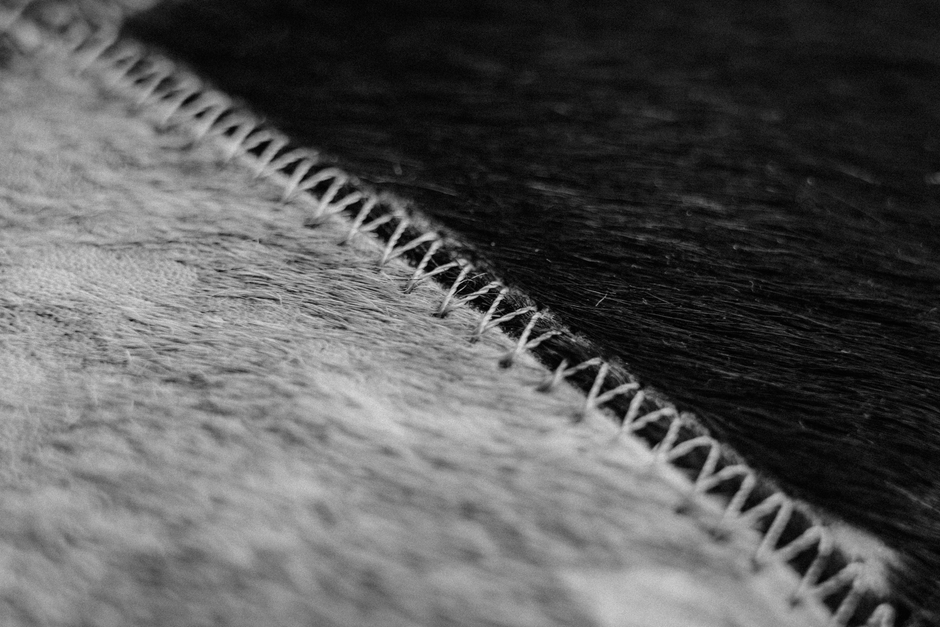
Momotaro, the Okayama denim maker best known for heavyweight jeans, recently introduced a lightweight sashiko work shirt. Read that as a retreat and you will misread it. The shirt trades fabric mass for stitch density, and stitch density is the better predictor of which buy it for life work shirts actually survive a decade of wear and washing.
Stay in the loop.
Get the latest posts and exclusive content delivered to your inbox.
Join 7 readers. No spam. Unsubscribe in one click, anytime.
A work shirt dies at five specific points: the collar, the cuffs, the elbows, the buttonholes, and the side seams. Fabric weight mainly buys abrasion resistance at one of them. The other four are construction failures, decided by glue, thread, and stitch geometry before the shirt ever left the factory. Dense stitch grids like sashiko spread load across many stitch columns and make repair native to the cloth, a logic the stitch inherited from Japanese boro mending. That is how a lighter sashiko shirt can outlast a heavier flannel, and it is why this article ranks shirts by how they fail instead of how much they weigh.
By the end you will have a two minute, five check inspection you can run in any store aisle, a ranked view of five archetypes, and a clear rule for when repair stops being worth it.
Why Fabric Weight Fails as a Durability Metric
Most roundups sort work shirts by ounces, on the theory that heavier cloth is tougher cloth. Weight does one job well. Mass per area resists abrasion, which is why a heavy flannel shrugs off a rough bench edge longer than a thin poplin, and why that advantage matters almost exclusively at the elbows and forearms.
Weight is nearly silent on the four failures that actually retire most shirts. A glued collar can bubble and lose its shape no matter how many ounces sit below it. A buttonhole cut into unsupported fabric stretches whether the cloth is six ounces or ten. An overlocked side seam can run from a single broken thread in any weight you like. Ask how work shirts wear out and the honest answer is that four of the five failure points are construction problems, and the fabric scale has nothing to say about any of them. Work shirt construction quality lives in the thread, not on the scale.
Weight buys abrasion resistance. Construction buys the decade.
Stitching is the structural variable you can actually see and count. Reinforcing cloth with rows of running stitch is old engineering rather than a marketing novelty; sashiko reinforced and repaired Japanese working clothing for generations, and stitched work garments now sit in museum textile collections as evidence. The five failure points below score shirts on exactly that basis.
The Five Failure Points That Decide a Shirt's Lifespan
Each point gets the same treatment: why it fails, what years of wear do to it, and the check you can run with your hands before paying.
1. Collar Roll Collapse
Fused collars bond an interlining to the cloth with adhesive, while sewn construction stitches the layers together, and any honest collar construction guide will name the tradeoff. Fusing buys crispness cheaply, but the glue layer is the weak link. Heat and repeated laundering can delaminate fused collar interlining, so the collar bubbles, the points curl, and the roll collapses long before the body cloth is tired.
The pinch check tells you which you are holding. Flex a collar point between finger and thumb. A fused collar tends to feel like stiff paper and resist soft creasing; a sewn one moves as separate layers, often with visible edge stitching. The counterexample is the cheapest collar to make. An unlined oxford button-down takes its roll from fabric body, two buttons, and a few stitches, with no glue anywhere, and it tends to settle into character with washing rather than fall apart. Oxford cloth shirting built entire wardrobes on that aging behavior. A cheap oxford can outlive an expensive fused shirt, which means the money went to the wrong layer.
2. Cuff Fray
Cuffs and forearms typically go first for anyone whose arms rest on anything all day: desk edges, tool handles, workbench corners, a steering wheel. Constant low grade abrasion on a narrow band of cloth does the damage, which is why cuff condition predicts total lifespan so well and why overall shirt weight predicts it so poorly.
Feel the cuff, then turn it back. You want a facing, meaning a second layer of fabric folded into the cuff interior, and a turned and stitched outer edge rather than a raw edge whipped shut with overlocking. Hold the cuff fold up to the light. If the weave opens visibly at the fold, that edge is where the first threads will break.
3. Elbow Blowout
Elbows fail by fatigue, not impact. Every arm flexion creases the sleeve at the same spot, and fibers along that crease take every cycle until they split, which is why blowouts appear as a slit along the crease line rather than a hole worn from the outside.
Three construction choices push back. Sleeve ease moves the crease around instead of sawing one line; pinch an inch of fabric at the elbow while trying the shirt on, and reject anything that pulls taut across your forearm at rest. Gussets, rare in shirts, relieve tension at the junction. Reinforcement stitching distributes flexion and abrasion across many stitch columns rather than one fold line, which is the whole logic of sashiko cloth and the reason it returns below.
4. Buttonhole Stretch
Why shirt buttonholes stretch out comes down to one fact: a buttonhole is a cut, and a cut in unsupported fabric widens every time a button is forced through it, thousands of times over a shirt's life. Bar tacks, the short dense stitch columns denim makers place exactly where stress concentrates, lock each end of the cut so it cannot run. Hold each buttonhole taut and look for a bar tack at both ends plus tight purling along the lips, dense enough that you cannot see skin through the stitching.
The button matters too. A shanked button sits on a stem of thread, off the fabric, so it turns in the hole without sawing its own attachment thread against the cloth. A button sewn flat with lockstitch sits flush, and its thread takes the abrasion directly. Plenty of shirts with sound fabric get retired by floppy buttonholes, which makes this the cheapest failure to prevent and the most annoying to discover late.
5. Side Seam Failure
Overlocked and chain stitched seams are built from looped thread, and a looped structure can unravel when a single thread breaks, the way a stocking runs. Single needle construction sews the seam with lockstitch and folds the allowance flat, so damage stays local and a home machine can re-sew it. This is not folklore. Seam strength in wovens is a standardized, measurable property under ASTM D1683, and published denim seam research has compared chain stitch and lockstitch performance directly.
Check the side seams and hem. Count stitches per inch on two candidate shirts and let the visible gap decide, since denser generally means stronger, and look for flat felled construction, where the seam allowance is folded under and stitched down. A three thread overlock finish on the main side seams is a reasonable saving on an inexpensive shirt and a bad sign at the 150 dollar and up end.
Five Work Shirt Archetypes Ranked by Failure Resistance

The most durable work shirts are usually the ones whose construction matches your wear pattern, and five archetypes cover most of the market.
| Archetype | Collar | Cuff edge | Elbow | Buttonholes | Side seams | Best fit |
|---|---|---|---|---|---|---|
| Heavyweight flannel | Varies, often lined | Strong | Strong | Varies | Overlocked hems common | Cold outdoor work |
| Chambray work shirt | One piece, ages well | Fair | Fair | Fair | Often single needle | Warm weather trades and desk |
| Oxford button-down | Strong, unlined | Weak | Weak | Fair | Light but stable | Office and casual EDC |
| Duck chore shirt | Strong | Strong | Strong | Strong | Felled and heavy | Carpentry and shop floors |
| Sashiko work shirt | Strong | Strong | Strong, stitched | Strong | Jeans grade, varies | Hard wear with repair intent |
Treat the ratings as archetype tendencies rather than guarantees; individual garments vary, which is the whole reason the inspection rubric exists. Heavyweight flannel durability is real but narrow, concentrated at the elbows and forearms. The interesting row is the last one. Sashiko fabric versus heavyweight flannel durability is the live question of this decade: flannel buys its elbow rating with mass, sashiko buys the same rating with thread, and thread does not add the heat, stiffness, and drying time that mass does.
Case Study, Momotaro's Lightweight Sashiko Work Shirt
Momotaro is an Okayama denim house, and it builds shirts with jeans grade habits: bar tacks at stress points, heavy thread, seams meant to be seen. Its sashiko work shirt appears on the official product page, and the lightweight double gauze take shows up in the retailer listing as indigo sashiko cloth. The bet is explicit. Lighter base fabric, with reinforcement carried by the stitched grid instead of by cloth mass.
The lineage explains why that bet is plausible. Sashiko began as utility stitching, rows of running stitch that quilted layers of working cloth together and patched them when they tore, the technique behind the boro garments rural Japan repaired for generations. Because a stitch grid already runs through the cloth, a patch sewn onto sashiko continues the pattern rather than interrupting it. Repair is native to the fabric instead of a compromise with it, which is exactly the property fused collars and fashion weight shirts lack.
Now the caveats, stated plainly. The lightweight version launched recently, so nobody has ten years of washes on it, and whether stitch density fully substitutes for base fabric mass is precisely what time will test. Double gauze is softer and airier than the heavy sashiko cloth that came before it, and softness at high wear points is a fair thing to question. Call this a test case rather than a full Momotaro sashiko work shirt review. The thesis is falsifiable here in a way it rarely is, and a few winters of wear will answer it.
The Two Minute Store Aisle Inspection
How to inspect shirt construction quality before buying, in five moves and roughly two minutes:
- Pinch the collar point and flex it. A stiff paper feel that snaps back suggests fused interlining; layered movement with visible edge stitching suggests sewn construction. Reject anything already showing bubbles or glue wrinkles on the shelf.
- Turn the cuff back and feel the edge. Look for a facing layer inside and a turned, stitched outer edge. Reject raw overlocked edges and weaves you can see light through at the fold.
- Hold each buttonhole taut. Check for bar tacks at both ends and purling dense enough to hide skin. Reject naked cuts and buttons sewn dead flat with no shank.
- Count stitches per inch along a side seam. Compare two shirts in hand and let the gap decide. Reject three thread overlock on the main seams of anything sold at workwear prices.
- Flex the elbow zone hard and look through it at a light. Reject weaves that open visibly, and reject sleeves with no ease across the forearm.
On a product page the same checks run on macro photos. Zoom the cuff edge and the buttonholes first. A seller who will not show them has told you something.
Repair Beats Replacement Until It Doesn't

Every failure point has a repair, and the repair path belongs in the buying decision because it sets the ceiling on total lifespan.
- Collar. A tired roll can be re-pressed and lightly stitched down. A delaminated fused collar cannot be practically re-glued; that is a retirement symptom, not a repair.
- Cuffs. A frayed edge can be bound or re-hemmed, and a worn facing replaced, routine work for a tailor.
- Elbows. For work shirt elbow blowout, repair starts with a patch, and visible mending on shirts is the natural sashiko move: run reinforcing stitches across the thin zone, continuing the cloth's own grid. The boro mending tradition treated exactly this kind of patching as part of a garment's biography rather than its decline.
- Buttonholes. A stretched hole can be re-bar-tacked, or closed and re-cut by a tailor for a few dollars. The cheapest fix on this list.
- Seams. A failing lockstitch seam re-sews on a home machine in minutes. A run overlock seam can be stopped but not truly restored.
Repair stops paying when the fabric between the repairs is spent. When the cloth at the elbows has gone translucent and the shirt is more patch than original, you are maintaining a hobby rather than a garment, and replacement is the honest call. Sashiko crosses that line last, because on that cloth the repairs read as the design.
The Verdict on Buy It for Life Work Shirts
Construction at the five failure points buys the decade; weight buys the elbows. So pick by wear pattern. Desk job with weekend tool use means a chambray or oxford, chosen for buttonholes and cuffs. Cold outdoor work means heavyweight flannel, chosen for its collar construction. Shop and site work means a duck chore shirt. One shirt to wear hard and keep repairing forever means sashiko, because that fabric was born from mending.
Run the two minute inspection on every candidate, whatever the label claims, and include the Momotaro in that scrutiny rather than taking the launch on faith. The buy it for life work shirts that actually reach ten years were stitched, from collar point to side seam, in a way that anticipated their own repairs. Ounce counts never got them there.
Stay in the loop.
Get the latest posts and exclusive content delivered to your inbox.
Join 7 readers. No spam. Unsubscribe in one click, anytime.
About the author
Priya Raman
Repair and Restoration Writer
Priya maintains and restores everything she owns, from cast iron to mechanical watches, and has spent years in the right-to-repair community. She writes about maintenance, warranties, and repairs, the half of buy-it-for-life that keeps good gear out of landfills.
Related Posts

Buy It for Life Women's Robes Ranked by Construction
Buy it for life women's robes ranked by weave, cuff construction, and belt anchoring, with failure-mode analysis and cost-per-wear math for decade-plus wear.

Buy It for Life Sweaters Ranked by How They Die
Buy it for life sweaters ranked by how they die. We grade Shetland knitwear on yarn ply, twist, and construction so your next sweater lasts decades.

Durable Travel Dresses Ranked by How They Die
Durable travel dresses ranked by failure mode, from elastane decay to zipper hardware, with a buying rubric and cost-per-wear picks that survive years.