Buy It for Life Boots That Protect Against Deformation
Most buy it for life boots ruin your feet with tapered toe boxes. See our ranked anatomical boots combining Goodyear welt durability with natural toe splay.

A boot can feature premium thick leather, a rock-solid Goodyear welt, and a dedicated resole program, but still be a catastrophic failure if it slowly deforms your foot over a decade. When evaluating buy it for life boots, most shoppers obsess over construction techniques while ignoring human anatomy. They ask if the welt can survive for decades, but never ask if their toes can survive the same timeframe. This oversight is the fatal flaw in modern durable footwear.
Stay in the loop.
Get the latest posts and exclusive content delivered to your inbox.
Join 25 readers. No spam. Unsubscribe in one click, anytime.
The most heavily recommended boots on the internet, including popular models like the Red Wing Iron Ranger, often fail a critical long-term test. They are built on tapered, aesthetically pleasing lasts that squeeze the metatarsals and crush the toes. A genuine lifelong investment requires looking at anatomical toe box boots that merge heavy-duty resoleability with natural foot geometry. If your footwear forces a bunion, that structurally flawless boot is heading to the back of the closet before its first resole.
The Paradox With Buy It for Life Boots and Foot Health
The Buy It for Life philosophy tracks the lifespan of the object, not the wearer. This creates a blind spot unique to footwear. A stainless steel pan or a cast iron skillet does not reshape your skeleton with daily use. A boot does.
Consider the actual economics. A quality resole typically runs 100 to 150 dollars. A pair of premium heritage boots runs 300 to 500 dollars. Now compare that to the cost of fixing the foot itself. Bunion surgery, correcting the big toe joint that lateral pressure has pushed out of alignment, can cost several thousand dollars and require six to eight weeks off your feet. Morton's neuroma, a thickened nerve trapped between compressed metatarsals, often demands steroid injections or surgical nerve decompression. Metatarsal compression, where the forefoot is squeezed narrower than its natural width, drives calluses, hammertoes, and joint pain that compounds over years. Physical therapy for any of these can run 75 to 200 dollars per session, often weekly for months.
The math is stark. A single month of physical therapy for a boot-induced foot condition can cost more than the most expensive resole on the market. Yet buyers spend hours researching welt stitches and leather grade, then zero minutes measuring forefoot width against the boot's last. The real buy it for life calculation has to include the cost of the damage the boot inflicts, not just the cost of maintaining the leather.
Why Popular Heritage Boots Secretly Fail the Decade Test
If you browse durable goods forums, certain models dominate the recommendations. Unfortunately, the exact features that make them visually appealing are the ones that ruin your feet.
The Red Wing Iron Ranger is a prime example. Red Wing's official site showcases the brand's heritage construction approach and boot lineup. Yet, the last features a distinctly narrow, almond-shaped toe box that tapers aggressively past the ball of the foot. Over years of daily wear, this forces the big toe inward. As noted in hallux valgus mechanics, lateral deviation of the big toe is heavily exacerbated by narrow footwear. The leather will outlast the joint it destroys.
The same pattern holds across classic service boots and heritage work boots widely discussed in boot communities for their tapered lasts. They prioritize a sleek silhouette over natural splay, causing friction and pinching across the forefoot. A shoe or boot can feature premium welt construction but still be a poor choice for lifelong wear if the last forces unnatural toe constriction. These brands build for aesthetics first, leaving foot health as an afterthought. They assume you want to look like a 19th-century logger, even if your foot pays the price.
The Biomechanics of a Boot and Why Toe Splay Matters
Most boot guides never mention this, but a boot can feel perfectly spacious in the store and still quietly wreck your toe function. Volume is not the same as correct shape. A roomy toe box that tapers at the end is like wearing a mitten a size too small. Your toes have pockets of empty air around them, but they still cannot splay laterally. The fit feels fine when you walk three laps on carpet. The damage surfaces eight miles into a hike, or ten hours into a shift, when your metatarsals are under full load and your toes are fighting to spread with nowhere to go.
The data backs this up. Research found that adding just 3mm of width to a sneaker's toe box improved movement performance and force transmission during athletic tasks. That is a trivially small number, yet it measurably changed how the foot functioned under stress. Now flip that around: a heritage boot last that narrows the toe box by several millimeters past the ball of the foot, worn eight to twelve hours a day, every day, for years.
Your forefoot works as a tripod. The heel, the base of the big toe, and the base of the pinky toe form three contact points. When toes splay under load, they widen that base, giving you stronger push-off, better balance, and real shock absorption. Clamp the toes together and the tripod narrows. This is how tapered boots drive structural deformities like bunions, where constant lateral pressure forces the big toe joint out of alignment until the bone remodels into a permanent bump. Compressed metatarsals also trap the nerves running between them, the mechanism behind Morton's neuroma, which feels like standing on a pebble that never goes away.
The antidote is restoring natural toe splay. Allowing toes to spread reactivates the arch's tension network and cuts joint friction. If years of tapered footwear have already compressed your feet, you can practice restoring toe spread to reverse some of the damage. Remember the key distinction: spacious is not anatomical. A boot with high volume but a tapered tip still fails the test. Anatomical geometry means the widest point of the boot is at the toes.
Criteria for a True Anatomical BIFL Boot
A boot must meet two distinct thresholds to qualify as an anatomical BIFL option. It cannot just be tough, and it cannot just be foot-shaped. It must be both.
1. Heavy-Duty Resoleable Construction
The boot must feature a stitched construction that allows a cobbler to remove and replace the sole without damaging the leather upper. The standard for this is the Goodyear welt. As explained in Goodyear welt construction, a strip of leather is sewn to the upper and the insole, then a second stitch attaches the outsole. This cavity allows a cobbler to easily swap out a worn tread for a fresh one, granting the leather upper a multi-decade lifespan.
Another excellent option is stitchdown construction. When comparing stitchdown versus Goodyear welt, both allow multiple resoles and decades of structural use. Stitchdown involves flaring the upper leather outward and stitching it directly to the midsole, creating an incredibly stable platform that resists delamination.
2. An Anatomical Last
The boot must be built on a last shaped like a human foot. This means the widest point of the boot must be at the toes, not the ball of the foot. It must allow total lateral splay without pinching the pinky toe or jamming the big toe. The interior volume should mirror the actual shape of a weight-bearing foot. A proper anatomical boot looks wide, slightly asymmetrical, and distinctly different from the sleek, almond-shaped silhouettes dominating traditional footwear.
Top 5 Anatomical Boots Ranked by Construction and Foot Health

Bootmakers can successfully integrate wide anatomical toe boxes with stitchdown or Goodyear welt construction without sacrificing durability. Here are five standout options for resoleable boots for wide feet that deliver multi-decade durability and natural foot positioning.
| Boot | Construction | Toe Box | Resoleability | Best For |
|---|---|---|---|---|
| Jim Green African Ranger | Stitchdown | Anatomical | Yes | Heavy work and hiking |
| Origin Wilton 6 | Goodyear welt | Wide (not fully anatomical) | Yes | Rugged daily wear |
| Lems Boulder Boot | Cemented | Anatomical | Limited | Travel and casual wear |
| Vivobarefoot Tracker | Cemented | Anatomical | Limited | Trail and outdoor use |
| Naang Traditional | Stitched | Anatomical | Yes | Heritage look with barefoot fit |
1. Jim Green African Ranger
Built in South Africa, this boot uses robust leather and a heavy-duty stitchdown construction. According to a Jim Green African Ranger review, these boots combine massive durability with a uniquely generous toe box. They offer serious arch support and a chunky lugged sole, making them a top-tier choice for heavy use. The African Ranger represents anatomical work boots built to last, accommodating a natural forefoot spread that prevents toe jamming on steep descents.
2. Origin Wilton 6
The Wilton 6 occupies a rare intersection: American-made Goodyear welt construction paired with a forefoot that does not aggressively taper past the ball of the foot. For buyers who want traditional workboot durability but have been burned by heritage lasts like the Iron Ranger, this is the bridge product. The wedge sole is not just an aesthetic choice. It distributes pressure evenly across the entire forefoot rather than concentrating it at the heel and ball, which matters when you spend ten hours on concrete. Workers who need a boot that handles job-site abuse without squeezing their metatarsals into a narrow point are the ones who benefit most from this combination. The honest limitation: the Wilton 6 forefoot is wide, not fully anatomical. Per this guide's own framework, a truly anatomical last has its widest point at the toes themselves. The Wilton 6 gets you closer than most American-made welted boots, but it does not match the splay allowance of the Jim Green African Ranger or the Lems Boulder Boot. You can examine the Origin Wilton 6 boot to evaluate its construction and last shape.
3. Lems Boulder Boot
A favorite in the barefoot leather boots space, the Boulder Boot is fully anatomical with a zero-drop heel. While it prioritizes a minimalist feel, the premium leather versions offer great flexibility. A detailed Lems Boulder Boot review highlights exceptional comfort and flexibility. The caveat about resoling is our own assessment, not the review's conclusion: the cemented construction means the resole path is less straightforward than a traditional welt. It is the ultimate travel boot for someone prioritizing foot health above all else.
4. Vivobarefoot Tracker
Vivobarefoot is a prominent name in wide toe box footwear, but to achieve BIFL longevity, you must be meticulous with leather care. Following a dedicated Vivobarefoot care guide ensures the premium leather uppers survive years of use, even if the minimalist sole eventually requires replacement. The Tracker combines wild-terrain durability with a thin, flexible sole and a completely foot-shaped toe box.
5. Naang Boots Traditional Anatomical
Founded by the bootmakers who pioneered the barefoot toe with a traditional build, Naang integrates thick midsoles, structured shanks, and a raised heel with an aggressively wide anatomical toe box. This brand proves you do not have to sacrifice traditional durability to get foot-healthy geometry. Naang fills the exact gap most bootmakers ignore, offering heavy-duty resoleable boots that look like heritage footwear but fit like a barefoot shoe.
How to Transition to Wide Toe Box Boots
If you already own 300 to 500 dollars worth of tapered heritage boots, you face a decision most guides ignore. Those boots are structurally fine. The leather is just getting good. The welt has decades left. But your feet pay a tax every day you keep wearing them. The instinct is to wear them out first, get your money's worth, then switch. That logic works for jackets and bags, not for footwear that reshapes your skeleton. Foot damage compounds while the leather waits. A bunion forming at month eighteen does not pause because you have not hit your cost per wear break even yet. The math favors switching now. Every additional month in tapered boots adds to the rehabilitation your feet will need once you finally move to an anatomical last.
Start with a diagnostic check on your current collection. Pull the insoles and look for deep squeeze marks where your toes sit. Overlapping toes or calluses at the base of your big toe joint are structural warning signs. Any of these means your footwear has been reshaping your foot, and the switch will involve real realignment.
The ramp depends on which type of boot you step into. Moving from conventional boots to a minimalist anatomical model like the Lems Boulder Boot or Vivobarefoot Tracker is the bigger jump. Your arch muscles have been dormant for years, and the zero-drop heel changes your Achilles tendon angle. Start with two hours of daily wear the first week, then add an hour each day after. Stepping into a structured anatomical boot like the Jim Green African Ranger or a Naang Traditional is gentler, because the raised heel and arch support ease the load on dormant foot muscles. You can often handle a half day from the start and reach full days within a week. Either way, expect a two to three week ramp. Daily walking is the safest entry point. Add work shifts in week two once your feet stop aching after a few hours. Hold off on long hikes until week three, when your intrinsic foot muscles can bear load without external crutches.
Arch and calf soreness in the first week is your foot musculature waking up, not a sign the boots are wrong. If your feet spread noticeably in width over the first month, that is the compression releasing. Remove the thick flat insoles once the anatomical fit starts feeling too roomy, and let your foot occupy the space naturally.
As for your existing collection, retire the most aggressively tapered pairs first. Narrow chukkas, pointed dress boots, and anything that leaves toe squeeze marks on its insoles should go. Sell them, gift them, or keep the least offensive pair as a rotation backup for short outings where anatomy matters less. Ultimately, buy it for life boots should serve you, not the other way around. Choose a model with a heavy-duty resoleable welt and an anatomical toe box, and your feet will thank you for decades.
Stay in the loop.
Get the latest posts and exclusive content delivered to your inbox.
Join 25 readers. No spam. Unsubscribe in one click, anytime.
About the author
Cal Whitmore
Durability Testing Lead
Cal has spent a decade in product testing, from tool labs to outdoor gear reviews, and treats every claim of a lifetime warranty as a hypothesis to break. He writes about the materials, joinery, and failure modes that actually decide whether gear lasts twenty years or two.
Related Posts
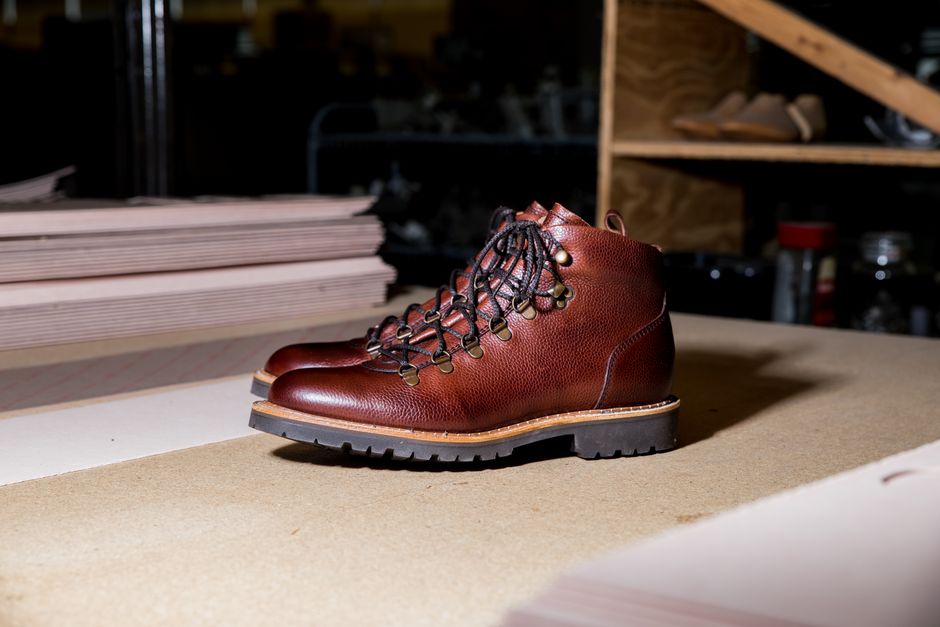
Buy It For Life Boots Ranked by Resole Economics
The best buy it for life boots ranked by welt construction and resole economics, the two factors that actually decide whether a boot lasts decades.

Hemp vs Cotton T-Shirts, Judged Where Tees Actually Die
Hemp vs cotton t-shirts judged at the fiber level, what hemp changes about collar and under-strap failures, and when it earns its price premium.
Sashiko Repair Ranked by Cost per Wear for BIFL Apparel
Sashiko repair for buy-it-for-life apparel, ranked by cost per wear. Find which knees, elbows, and stress points repay stitching and when replacing wins.