Buy It For Life Boots Ranked by Resole Economics
The best buy it for life boots ranked by welt construction and resole economics, the two factors that actually decide whether a boot lasts decades.
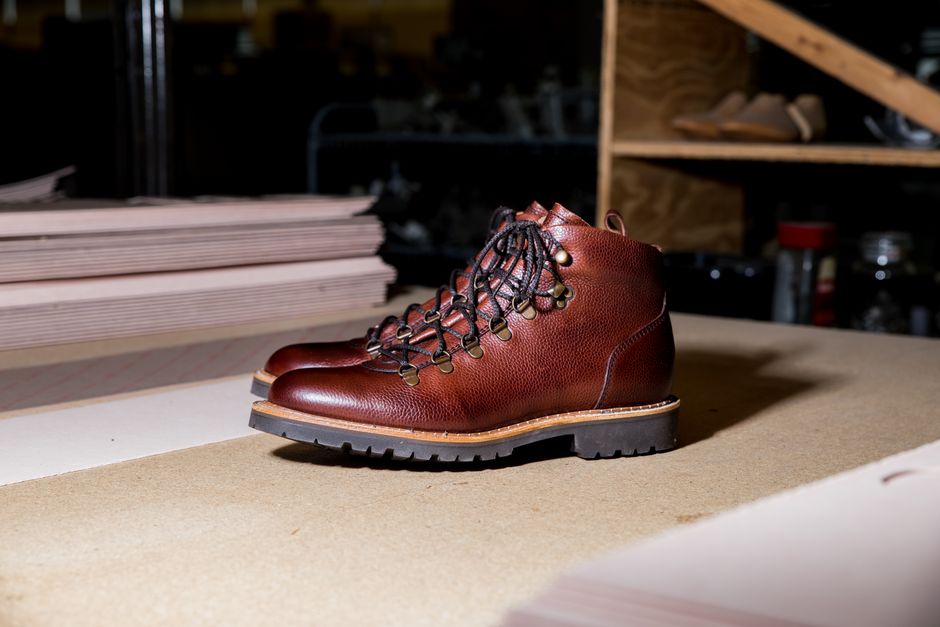
A boot you buy this year should still be on your feet in 2045. Whether that happens has almost nothing to do with leather grade, tannery heritage, or how it feels on day three. It comes down to whether the sole can be removed and replaced without wrecking the upper, and what that service costs every two to four years.
Stay in the loop.
Get the latest posts and exclusive content delivered to your inbox.
Join 25 readers. No spam. Unsubscribe in one click, anytime.
Most buy it for life boots guides rank by aesthetics and leather romance. They grade boots on the hide, the tannery, the break-in pain, the patina. None of those predict a 20-year outcome. A flawless Horween upper on a cemented sole is a disposable boot dressed in premium materials, because the moment that sole wears through, the upper goes with it.
This ranking uses the two variables that actually decide whether a boot outlives the decade: welt construction type, and the cost trajectory of resoling it. Everything else is style commentary.
Why Most BIFL Boot Rankings Get Longevity Backwards
Walk through the top results for best boots and the same categories repeat. Leather grade. Tannery provenance. Break-in comfort. Stitch density as an aesthetic. Sometimes they mention resoling in a footnote. The implicit promise is that good leather plus a heritage brand name equals a boot for life.
The math breaks that promise. Take a $400 boot that needs a factory resole every three years at $150 a service. Over 20 years that is roughly $1,050 in resoles alone, on top of the initial $400. Now take a $300 boot that resoles for $90 at an independent cobbler on the same cadence. Same period, roughly $630 in service. The cheaper boot wins on total cost of ownership, and it wins precisely because the original ranking metric ignored the variable that mattered.
Three things actually predict whether a boot is wearable in 2045:
- Welt construction type. This determines whether the sole is removable at all, and how many times it can come off before the upper is compromised.
- Factory resole availability. A boot is only as BIFL as the program that supports it. Brands discontinue resole programs, raise prices, or quietly push customers toward buying new.
- Per-resole cost and rebuild depth. A full rebuild that replaces the heel stack, midsole, and outsole is a different value proposition than a surface-level outsole swap.
Leather grade affects the upper's lifespan. It does not affect whether the sole is replaceable, and the sole is what fails first.
Welt Construction Types Ranked by Resole-Ability

The welt is the structural seam that joins the upper to the sole. Four construction types dominate the boot market, and they sort cleanly by whether the boot is resoleable at all.
Cemented (Glued) Soles
The sole is glued directly to the upper. There is no stitch channel, no welt, no removable layer. Once the outsole wears through, a cobbler can sometimes grind it down and glue a new one on, but the upper is progressively damaged each time and the result is never factory-spec. Practically, a cemented boot is a single-sole boot. Which boots can be resoled comes down to construction type first, and cemented fails the test.
This is the construction used in most mall boots, many modern Dr. Martens, and a substantial share of Timberland models marketed as rugged. The leather can be excellent. The upper is still disposable.
Blake Stitch
A single row of stitches runs from the insole through the outsole, visible inside the boot. Blake stitch boots are resoleable, but the seam runs through the footbed, which limits cobbler access and water resistance. It is common in dress shoes and Italian boots. Most quality cobblers can handle a Blake resole, but fewer do it well than handle Goodyear welt.
Goodyear Welt
The industry standard for resoleable boots. A canvas rib is attached to the insole, the upper is stitched to that rib, and a leather or rubber welt is stitched to the assembly. The outsole attaches to the welt, not the upper. A cobbler can remove and replace the outsole without touching the upper.
The Goodyear welt method is the baseline for any boot claiming longevity. How many times a Goodyear welt boot can be resoled varies with stitch density, welt material quality, and cobbler skill, but a well-built boot with quality leather can typically handle multiple resoles across the upper's working life. All three constructions compared side by side, the welt wins decisively on rebuildability.
Stitchdown
The upper is flared outward and stitched directly to the midsole or outsole, with no welt between. This is the construction used by White's, Nicks, and Viberg. Because the upper is the structural attachment point, stitchdown boots can be rebuilt more completely than Goodyear welt boots. The heel stack, midsole, and outsole can all be replaced, and on some brands the entire lower assembly can be reconstructed while the original upper stays intact.
Stitchdown construction explained by White's makes the rebuild depth clear. This is the most rebuildable mainstream construction, and it is the one that genuinely supports a 30- or 40-year service life on a single pair of uppers.
Ranking by resole-ability, high to low: Stitchdown, then Goodyear welt, then Blake stitch, then cemented.
The 20-Year Resole Math That Reveals True Boot Cost
The single most useful calculation a boot buyer can do before committing is the 20-year ownership cost. It takes two minutes and it changes which boot you buy.
The formula:
(Initial price) + (20 ÷ resole interval in years) × (per-resole cost) = 20-year cost
Assume a resole every three years for a daily-wear boot, which is aggressive use. Lighter wear can stretch that to four or five years. Boot resole cost comparisons show factory resoles commonly ranging from $100 to $250, with some full rebuilds climbing higher. Independent cobblers often charge less, but quality varies and not all can handle stitchdown or Goodyear welt work to factory spec.
A worked comparison:
| Boot scenario | Initial | Per resole | Resoles in 20 yrs | Total cost |
|---|---|---|---|---|
| $300 boot, $90 cobbler resole | $300 | $90 | ~7 | ~$930 |
| $400 boot, $150 factory resole | $400 | $150 | ~7 | ~$1,450 |
| $400 boot, $200 factory resole | $400 | $200 | ~7 | ~$1,800 |
| $700 stitchdown, $250 full rebuild | $700 | $250 | ~7 | ~$2,450 |
What this reveals is that a $400 boot with expensive resoles can cost more over 20 years than a $700 boot with a strong rebuild program. The original purchase price tells you nothing about which is the better long-term value. The deciding factor is resole frequency multiplied by per-resole cost, plus how completely each rebuild restores the boot.
This is also why factory resole availability is a longevity risk in itself. A brand can discontinue its resole program, raise the price, or push you toward buying new. When you buy a boot betting on a 20-year support relationship, you are betting the brand keeps the program alive at a price you will still pay. Brands with decades of consistent service history are a safer bet than newcomers without a track record.
Five Buy It For Life Boots Ranked by Resole Value
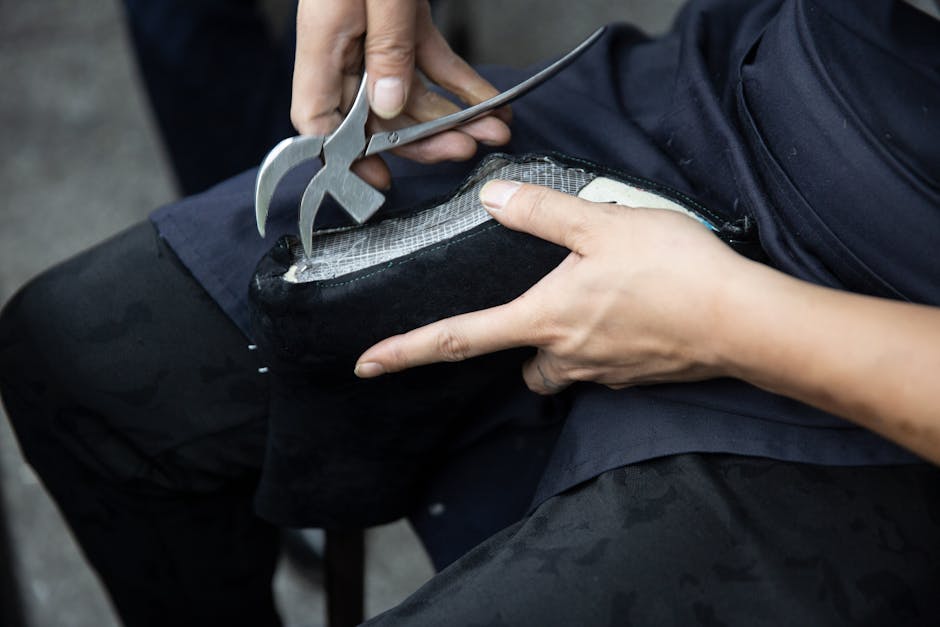
The ranking below scores boots on welt type, factory resole availability, per-resole cost, and rebuild depth. Prices and resole costs are approximate and shift over time. Use them as a directional guide, then confirm current pricing on the brand's service page before buying.
| Brand / model | Construction | Factory resole | Approx. resole cost | Rebuild depth |
|---|---|---|---|---|
| White's Boots | Stitchdown | Yes, full rebuild | $250 to $400+ | Heel, midsole, outsole, partial upper |
| Viberg | Stitchdown or Goodyear welt | Yes | $200 to $300 | Outsole, midsole, heel stack |
| Red Wing Heritage | Goodyear welt | Yes | $100 to $150 | Outsole, minor welt work |
| Danner (select models) | Stitchdown or Goodyear welt | Yes | $100 to $160 | Outsole, midsole |
| Allen Edmonds (dress boots) | Goodyear welt | Yes, recrafting | $100 to $200 | Full recraft, heel, sole |
White's Boots
The deepest rebuild program in this list. White's stitchdown boots can go back to the factory for a full rebuild service that replaces the entire sole stack and can address the heel counter and partial upper work. You pay for it, often $250 to $400 or more depending on scope, but you get back a boot that is structurally close to new. If the goal is one pair for 30 years, this is the construction and program to bet on.
Viberg
Viberg builds stitchdown and Goodyear welt boots depending on the model. The factory repair program covers resoling and rebuild work, with resole costs typically landing between $200 and $300. Viberg's reputation is built on upper quality and handwelted construction on core models. Rebuild depth is strong, but the program is smaller and more selective than White's.
Red Wing Heritage
Red Wing's Goodyear welt boots are the entry point most people actually buy, and the factory resole and repair program is one of the most established in the industry. Resoles typically run $100 to $150 and turnaround is reliable. Rebuild depth is shallower than stitchdown (the heel stack rebuild is less complete), but for the price the value proposition is strong. The Iron Ranger and Heritage line are also widely serviced by independent cobblers, which reduces dependence on the factory.
Danner
Danner's recrafting program covers select stitchdown and Goodyear welt models. Pricing sits in the $100 to $160 range. The catch is model eligibility. Not every Danner boot qualifies, and some popular models use cemented construction that is not resoleable through the program. Verify the specific model before buying. For eligible stitchdown models like the Bull Run or Mountain Light, the value is competitive.
Allen Edmonds
A dress-boot option rather than a work boot. Allen Edmonds' recrafting service does a full rebuild on Goodyear welt dress boots, including new sole, heel, and conditioning. Cost runs roughly $100 to $200 depending on the package. The rebuild depth is solid for dress boots, and the program has been consistent for decades. This is the right pick for someone who wants a resoleable chukka or dress boot, not a logger.
Common Boots With Non-Resoleable Cemented Soles
The riskiest part of shopping for buy it for life boots is the number of brands marketed as rugged or heritage that use cemented construction underneath premium leather. The hide tells you nothing about the sole.
The clearest example is modern Dr. Martens. Most current Dr. Martens use cemented soles glued to the upper. The leather can look the part, the brand carries a workwear reputation, and the boot is not practically resoleable. A cobbler may attempt an outsole graft, but the result is not a factory rebuild and the upper will not survive multiple attempts. The vintage Made in England Dr. Martens with Goodyear welt are a different product. The current mainstream line is a cemented boot sold on heritage marketing.
The same pattern shows up across the mall-boot category. Many Timberland models, most fashion work boots, and a substantial share of rugged boots under $200 use cemented construction. None of these are BIFL regardless of how the marketing reads, because the sole dies with its first wear cycle and the upper has no second life.
To verify before buying, check the brand's official resole or repair page. If the brand does not publish a resole program, or if the program explicitly lists the model as ineligible, the boot is not a buy-it-for-life candidate. The absence of a resole page is itself a signal.
Buying Checklist for Welt Type and Resole Verification
A 60-second pre-purchase check eliminates most fake-BIFL boots.
- Identify the welt type. Look at where the upper meets the sole. A visible stitch row running along the top edge of the outsole indicates Goodyear welt. An upper flared outward and stitched directly down indicates stitchdown. A smooth, glued junction with no visible stitch indicates cemented. If you cannot tell from product photos, ask the manufacturer directly.
- Find the official resole page. A brand that supports a 20-year ownership model publishes its resole program. Confirm the specific model is eligible. Brands that offer resole but exclude your model are not a BIFL pick for that boot.
- Note the per-resole cost. Add it to the purchase price using the 20-year formula above. A $400 boot at $200 per resole is not a $400 boot over its life.
- Check rebuild depth. Does the program replace just the outsole, or does it rebuild the heel stack and midsole? Stitchdown brands typically offer the deepest rebuilds. Shallow resole programs extend the boot's life but do not fully restore it.
- Check program history. A resole program that has run consistently for decades is a safer bet than one introduced last year. Longevity of the support program matters as much as the construction.
The boots worth keeping for decades are the ones engineered to be taken apart and put back together. Leather sells the boot. The welt and the resole program are what keep it on your feet in 2045.
Stay in the loop.
Get the latest posts and exclusive content delivered to your inbox.
Join 25 readers. No spam. Unsubscribe in one click, anytime.
About the author
Reggie Calloway
Heritage and Craft Editor
Reggie writes about the makers behind lifetime gear, from third-generation tanneries to family-owned foundries. A former magazine editor, he profiles the brands, materials, and craftsmanship that justify keeping a tool or a jacket for the next generation.
Related Posts

Buy It for Life Boots That Protect Against Deformation
Most buy it for life boots ruin your feet with tapered toe boxes. See our ranked anatomical boots combining Goodyear welt durability with natural toe splay.

Hemp vs Cotton T-Shirts, Judged Where Tees Actually Die
Hemp vs cotton t-shirts judged at the fiber level, what hemp changes about collar and under-strap failures, and when it earns its price premium.
Sashiko Repair Ranked by Cost per Wear for BIFL Apparel
Sashiko repair for buy-it-for-life apparel, ranked by cost per wear. Find which knees, elbows, and stress points repay stitching and when replacing wins.