Buy It for Life Jeans Ranked by Repairability
Buy it for life jeans ranked by crotch blowout resistance and repairability, with a fade odometer rubric for choosing heavyweight denim worth darning.
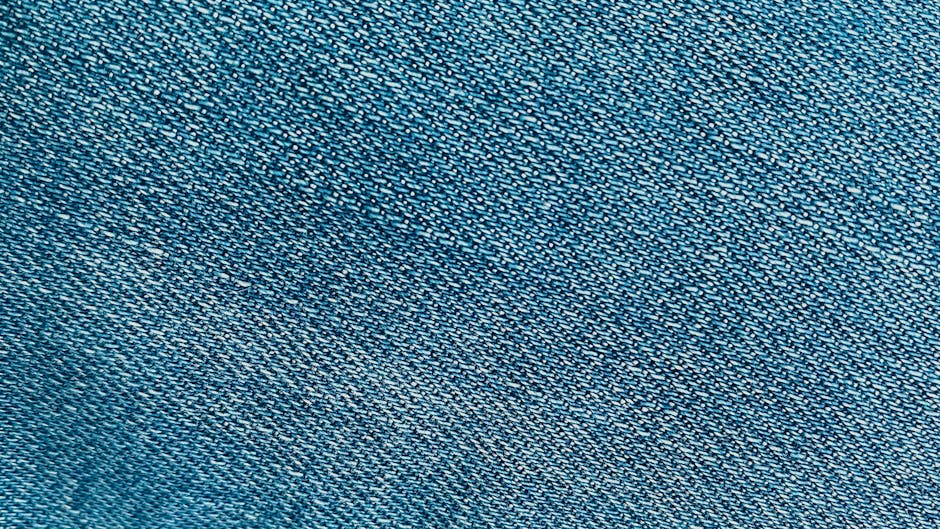
The best fade showcase of the year doubles as a damage report. Heddels recently ran a two year fade showcase of the Iron Heart IH-888S-21 after roughly ten washes, and the photos deliver everything raw denim hobbyists chase, electric whiskers across the lap and stacked honeycombs behind the knees, all cut from Iron Heart's flagship 21oz selvedge.
Stay in the loop.
Get the latest posts and exclusive content delivered to your inbox.
Join 25 readers. No spam. Unsubscribe in one click, anytime.
Those photos circulate as proof the jeans survived hard wear. Read them instead as a log of where the cotton did not. Every fade line marks yarns that lost surface fiber to friction, and friction is the same mechanism that rips jeans open at the crotch. A fade timeline is a wear odometer, not a longevity credential, and that distinction decides everything when you are shopping for buy it for life jeans. Decade survival comes down to repairability inputs that no standard ranking scores: fiber content, seam construction, fly hardware, denim weight, and access to a reweaving service.
What a Two Year Fade Timeline Actually Shows
Indigo sits mostly on the surface of warp yarns. Where fabric creases under tension, at the hips when you sit and behind the knees when you walk, yarn rubs against yarn and against every surface you touch. The dye leaves first. Keep rubbing and fiber leaves next. A pale whisker on heavyweight denim is a stripe of warp yarns that have already surrendered a measurable share of their cotton.
The Iron Heart pair makes both points at once. Its crisp contrast and intact shape are genuine points in raw selvedge denim durability's favor, because cotton that fades this hard without bagging is holding its weave. But an Iron Heart 21oz fade timeline is also two years of continuous abrasion recorded at the exact points where jeans eventually fail. Ten washes in two years is one more data point, and a warning label we will decode shortly.
Why Jeans Die at the Crotch and Hem

Ask any denim repair service what walks through the door and the answer is the crotch. Crotch blowout is the most common terminal failure repair shops report, and why crotch blowouts happen comes down to three stacked mechanisms. Your thighs rub the crotch fabric against itself with every stride, thousands of flex cycles a week, and the seam fork folds the weave into the highest-friction zone on the garment. Rise and fit amplify it, since a low rise or a tight thigh pulls the crotch seam taut into your flex point instead of letting it sit above the point. Cyclists add a saddle grinding the same square inch for hours at a stretch.
The third mechanism is the one nobody warns you about: trapped grit and dried sweat. Dust and sand work into the weave and act as an abrasive, while dried salt residue chemically weakens cotton fibers. Repair shops routinely blame never-wash raw denim routines for blowouts that arrive a year early, which is why serious raw denim washing guidance now says to wash regularly. Washing jeans genuinely extends their life. It contradicts fade-heresy folklore, and it remains the cheapest durability upgrade available.
Hems fail differently but just as terminally. Heel strike, pooling over boots, and floor contact fold and abrade the hem edge until it frays past saving.
Does heavier denim last longer? Partly. More fiber per square yard means more material to abrade through, so 21oz outlasts 11oz under identical wear. Heavier weight delays blowout. It does not prevent it, because the odometer keeps running either way.
The Repairability Rubric
Since fades cannot certify durability, score what predicts a decade instead: whether every failure point can be re-sewn, darned, or rewoven, cheaply, indefinitely. Five inputs, zero to two points each.
| Input | 0 points | 2 points | What it buys you |
|---|---|---|---|
| Fiber content | 1 to 2 percent elastane | 100 percent cotton | Cotton can be darned and rewoven indefinitely |
| Stress seams | Overlocked or single-needle | Flat-felled at inseam and crotch | Buried raw edges give repairers anchor fabric |
| Fly hardware | Zipper | Button fly | A button is a ten-cent fix, a zipper is a tailor job |
| Denim weight | Under 12oz | 14oz or more | Pure abrasion reserve, delays every failure mode |
| Repair access | No service will take it | Maker or mail-in program | Turns failures into routine maintenance |
The hardware row deserves a history lesson. Levi's fitted a rivet at the crotch seam for decades, then removed it, reportedly after wearer complaints, a story covered in the crotch rivet history and often dated around the 1940s. The lesson was never that rivets are bad. It is that every component choice is a future repair decision, which is the whole button fly vs zipper durability argument in miniature. A popped button gets re-sewn at the kitchen table. A dead zipper gapes open, demands a tailor visit, and often costs enough that replacement starts to look reasonable.
On seams, guides to spotting quality jean construction cover the details, but the short version is this. Flat-felled seams wrap raw edges inside the seam itself, so abrasion must eat through two fabric layers plus the fold, and a repairer has clean anchor cloth to stitch into.
One entry earns zero points on purpose: selvedge. A self-finished outseam from a shuttle loom is a construction and aesthetic detail, and a lovely one, but it is not an inherent durability advantage over well-made wide-loom denim. It scores nothing here.
Five Buy It for Life Jeans, Scored
Apply the rubric to five exemplars that keep surfacing in buy it for life jeans threads. Scores are illustrative, mills change fabrics, so verify the tag before you buy.
| Jean | Fiber | Fly | Weight | Repair access | Score |
|---|---|---|---|---|---|
| Iron Heart IH-888S-21 | 100 percent cotton | Button | 21oz | Deep third-party ecosystem | 9/10 |
| Levi's 501 Shrink-to-Fit | 100 percent cotton | Button | ~12oz | Every tailor knows it | 8/10 |
| Nudie dry options | Cotton, model-dependent | Varies | ~13oz | Free repair program | 7/10 |
| Wrangler 13MWZ | 100 percent cotton | Zipper | ~12oz | Universal | 6/10 |
| Stretch control pair | 1 to 2 percent elastane | Usually zipper | ~10oz | Most services decline | 2/10 |
- Iron Heart IH-888S-21. The IH-888S-21 product page shows why it wins without nostalgia, with 21oz cotton, a button fly, and a medium-high rise that lifts the crotch seam out of the deepest flex zone. Its only lost point is the absence of a free maker repair program.
- Levi's 501 Shrink-to-Fit. The cheapest high score on the board. Cotton, buttons, felled construction, and a pattern every repair service has reworked a thousand times. The lighter fabric is its lone durability discount.
- Nudie dry denim. The score rides the service row, because Nudie's free repair program turns the most common failure into a scheduled errand at their repair stations. Buy the 100 percent cotton dry options and skip the stretch models.
- Wrangler 13MWZ. A genuine cowboy work jean with felled seams and heavy pocketing that still loses two full points to its own zipper. Heritage does not equal repairability.
- The stretch control pair. The elastane jean most readers already own scores two points, both accidental. The next section explains why it cannot score higher at any price.
The Stretch Denim Problem
The stretch denim versus 100 percent cotton jeans question is really an argument about repair, not comfort. Elastane is a heat-sensitive synthetic, and how elastane fabric behaves explains the failure chain. When the surface cotton of a stretch jean abrades, the spandex core yarns underneath are exposed, and they snag, fray, and run rather than wearing through honestly like cotton. Professional repair can make things worse before it makes them better, because the stitching tension and pressing heat of a darning or reweaving job can degrade the elastic fibers around the work. Reweaving inserts non-stretch patching into a panel engineered to stretch, so the repair anchors one zone dead while the rest keeps moving, and the patch tears out within months.
Then there is the failure no repair addresses at all. Elastane fatigues. Once the fiber loses recovery, the knees bag and the seat sags permanently, because the fabric's memory is the fiber, and the fiber is finished. That is why the question of whether stretch jeans can be darned or rewoven has a short answer, generally no, and why stretch pairs live on replacement cycles instead of repair loops.
To be fair, stretch jeans are cheaper and more comfortable, and if yours die of boredom before wear, none of this matters. The frugal reader whose pairs bagged out and died inside two years already lived the other outcome.
Repair Economics and Cost per Wear
Cost per wear settles repair versus replace, and the formula is simple: purchase price plus every repair, divided by every wear. What changes the answer is whether repairs exist at all.
| Path over ten years | Outlay | Assumptions |
|---|---|---|
| Heavyweight cotton, two repair cycles | About $350 | $260 pair plus two darns around $45 each |
| Mid-tier stretch, replaced every ~18 months | About $630 | $90 a pair, roughly seven replacements |
| Budget stretch, replaced yearly | About $450 | $45 a pair, ten replacements |
The repair column is what makes row one work. For crotch blowout repair, mail-in darning and jeans reweaving services like the Self Edge repair service, Denim Therapy reweaving examples, and Railcar Fine Goods repairs typically charge a fraction of a new premium pair, commonly in the tens of dollars, though you should confirm current menus before booking. When a $45 repair resets a $260 pair for another few years, replacement stops being the economical option and becomes the expensive one. Maker programs bend the math further, and Patagonia's Worn Wear program pushes the model past denim entirely, with repairs and trade-in credit across a whole wardrobe.
When to repair or replace jeans: repair while the fix costs less than half the next pair and the surrounding fabric still blocks light. Replace when thinning zones multiply faster than your repair budget.
An honesty check on the table. Budget stretch replaced yearly nearly ties the repaired premium pair on raw arithmetic. The premium pair pulls ahead on everything the arithmetic misses, meaning retained fit, no forced replacement timing, and a pair that is still wearable in year eleven after a third repair.
How to Read Your Own Fade Odometer
Learning how to read raw denim fades on the pairs you already own takes one lamp and five minutes, and it converts this whole article into practice tonight.
The light test. Take your most-worn pair, lay the crotch flat, and hold it up to a bright lamp. Pinpoints of light at the seam fork, at whisker peaks, or behind the knees mean the fabric is thin there. Mark the spots with chalk and book a darning now, because a thin spot is a blowout caught early, and repairs on intact fabric hold far better than patches over holes.
The maintenance protocol.
- Rotate two pairs. Cotton needs to dry and rest between wears, and rotation roughly halves the abrasion each pair absorbs.
- Wash every 30 to 60 wears, sooner after heavy sweat or grit. Cold water, inside out, hang dry. This is blowout prevention, not fade heresy.
- Ask for preemptive crotch reinforcement. A tailor or darning service can run the crotch fork before it thins, adding years for the price of lunch.
- Buy with hem allowance. An extra inch of inseam lets you re-hem twice as heel abrasion eats the fold.
The buying checklist. For your next pair, read the tag and spec sheet in this order: 100 percent cotton, button fly, flat-felled inseam and crotch, 12oz minimum if you are hard on jeans, a rise that sits above your flex point, and a named repair plan priced into the budget.
The Heddels showcase pair is two years into its odometer reading. With cotton, felled seams, and two more darnings in it, that Iron Heart pair can outlast five stretch replacements while the fades keep deepening. Now you know exactly what those fades are counting.
Stay in the loop.
Get the latest posts and exclusive content delivered to your inbox.
Join 25 readers. No spam. Unsubscribe in one click, anytime.
About the author
Reggie Calloway
Heritage and Craft Editor
Reggie writes about the makers behind lifetime gear, from third-generation tanneries to family-owned foundries. A former magazine editor, he profiles the brands, materials, and craftsmanship that justify keeping a tool or a jacket for the next generation.
Related Posts

Sashiko Repair Ranked by Cost per Wear for BIFL Apparel
Sashiko repair for buy-it-for-life apparel, ranked by cost per wear. Find which knees, elbows, and stress points repay stitching and when replacing wins.

Buy It for Life Women's Robes Ranked by Construction
Buy it for life women's robes ranked by weave, cuff construction, and belt anchoring, with failure-mode analysis and cost-per-wear math for decade-plus wear.

Durable Travel Dresses Ranked by How They Die
Durable travel dresses ranked by failure mode, from elastane decay to zipper hardware, with a buying rubric and cost-per-wear picks that survive years.