Durable Travel Dresses Ranked by How They Die
Durable travel dresses ranked by failure mode, from elastane decay to zipper hardware, with a buying rubric and cost-per-wear picks that survive years.

Most travel dresses die the same quiet death. Somewhere between the fortieth wash and the first hot dryer, the stretch fibers stop snapping back, the seat goes baggy, and the dress that photographed beautifully in week one becomes the thing you only wear on laundry day. Nearly every roundup you have read was written in week one. A durable travel dress is decided in year two and year three, by a handful of failure points you can inspect with your hands before you pay.
Stay in the loop.
Get the latest posts and exclusive content delivered to your inbox.
Join 7 readers. No spam. Unsubscribe in one click, anytime.
This site ranks gear by how it fails, and dresses are the orphaned category: buy it for life clothing coverage stops at boots, bags, and jackets. Below you will find the five mechanisms that actually kill travel dresses, a two-minute store-aisle audit for each, honest merino-versus-synthetic trade-offs, and cost-per-wear math showing why a mid-priced, low-elastane woven beats both the $40 impulse buy and the $250 showpiece for most travelers.
Why Travel Dress Reviews Never Tell You What Lasts
Read a stack of typical travel dress roundups, Treeline Review's guide being a solid and honest example of the genre, and the rubric repeats: style, packability, wrinkle resistance, occasionally a pocket count. Every one of those criteria is measured on a dress that has never been washed, packed tight for a month, or dragged across a bus seat. Wrinkle resistance on day one often reflects a pressing finish or fiber choice that softens over dozens of wash cycles. Packability rewards thin, fine knits, exactly the constructions most likely to snag into runs. Style says nothing about hardware. None of the three predict survival because all three are measured before wear, heat, and laundering accumulate.
The result is an internet full of guidance on the best packable travel dress or the most flattering wrinkle resistant travel dress, and nearly silent on which ones physically survive five years. The method here is the one we apply to luggage and boots: learn how the thing dies, then learn to spot the death coming in the aisle.
The Five Failure Modes That Kill a Travel Dress
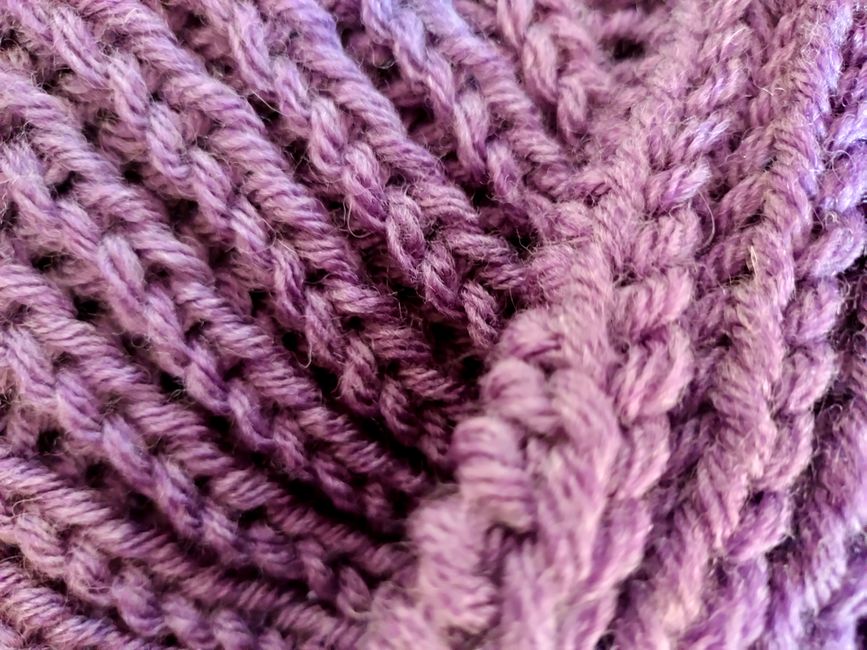
Travel dresses rarely wear out evenly. One component fails first and drags the silhouette down with it, and which component fails was largely decided at the factory. Five mechanisms cover most of it.
Elastane decay, the chemical clock in stretch fabric
Nearly every stretch travel dress contains elastane, the fiber Americans usually call spandex, typically somewhere between two and ten percent of the blend. That minority share acts as a chemical clock. Elastane is a polyurethane-based elastomer, and heat, chlorine, body oils, and UV exposure steadily break down its polymer chains; research on elastane degradation documents the major attack routes, from heat and chlorine to sweat and body oils. The loss is irreversible. No wash restores snap to a polyurethane chain that has already oxidized.
That is the honest answer to how long does elastane last in clothing: it is a range driven by care, not a fixed number. A stretch dress hot-washed and tumble-dried weekly can begin losing recovery within a couple of years, while the same construction washed cold and dried flat can hold its shape for many more. The catch is that even single-digit percentages cap a stretch dress's shaped life, because the surrounding yarns are engineered around that recovery. When elastane dies, the fabric keeps existing but stops fitting, which is also the mundane answer to why dresses lose their shape at the seat and elbows long before the cloth itself wears through.
Snags, gauge, and why construction type beats fabric weight
Drag a fingernail across a lightweight merino knit and across a woven dress of similar weight. The knit's looped structure gives a snag somewhere to travel: one caught loop can propagate into a run or a broad pilled patch. The woven's interlaced structure usually contains the same snag as a single pulled thread. Identical insult, wildly different outcome, which is why construction type rather than fabric weight alone drives snag risk in travel dresses. Weight-adjacent specs mislead in general; denier, for instance, measures yarn weight, not toughness.
For a travel dress that doesn't pill or snag, favor tighter knit gauges, heavier merino weights, or wovens, and treat airy fine-gauge knits in checked luggage as a calculated risk. Snag fragility is a real cost of the fine merino wool travel dress, priced honestly in the comparison below.
Seam twist and stitch density
Wash a dress a few times and watch the side seams. If they spiral toward the front, the fabric was cut off-grain or the stitch tension was unbalanced, and no ironing fixes that. Beyond twist, seams fail by splitting, and splitting resistance tracks stitch density and balance: more stitches per inch, evenly tensioned, with bar tacks or backstitching at stress points, holds shape through many more wash cycles. Labs formalize the property with standard seam strength tests precisely because seam strength quantifies cleanly.
In the aisle, hang the dress and sight down the side seams for plumb, then count stitches along an inch of the seam crossing your lower back. Roughly ten or more, evenly spaced, signals a factory that took its time. Raw, fraying seam allowances inside are the same signal in reverse.
Zipper and placket hardware
Hardware is the most predictable early failure because it is binary: a dress with a dead zipper is functionally dead no matter how sound the fabric is. Unbranded micro zips sewn into stretch side seams are the classic first failure on travel dresses. Established coil hardware from makers like YKK, set behind a reinforced placket with backing tape, commonly outlasts the dress itself. This is not brand worship; coil zips carry decades of engineering, and the placket keeps load off the teeth.
Test it in the store. Run the zipper full length several times and feel for hesitation near the top. Check the slider for a brand stamp, confirm a placket or tape backs the teeth, and tug gently at both zipper ends to test the anchor stitching.
Lining failure
In lined travel dresses, the lining frequently dies before the shell, through seat pilling (friction between lining, tights, and chair) and seam slippage, where cheap rayon or acetate linings let stitches chew through the weave. The shell can remain pristine while the dress wrinkles oddly, clings, or hangs badly because the inner layer has given up. Lining fiber content and attachment method are the longevity signals most buyers never read.
So read them. Flip the skirt inside out, check the lining's fiber content (cupro and quality polyester linings generally outlast bargain rayon), rub the fabric between your fingers, and give a seam a gentle lateral pull to feel for slippage.
A Two-Minute Durability Audit for Any Dress
How to tell if a dress is well made comes down to five checks you can run between the rack and the mirror, and together they identify a durable travel dress faster than any review chart.
- Read the fiber tag. Elastane under about five percent, or none at all, buys you years; above ten percent you are buying a shape with a short warranty from chemistry. Merino-nylon blends are the sweet spot for packed, repeated-wear travel.
- Test stretch recovery. Stretch a panel two inches between your fingers, hold five seconds, release. It should snap back immediately. Slow return or residual puckering means recovery is already marginal; labs measure the same property with standardized stretch recovery tests, and your finger check is a crude but useful cousin.
- Check grain and seams. Side seams hang plumb, no twist, dense even stitching, finished allowances, reinforcement at waist and bust stress points.
- Exercise the hardware. Zipper runs smooth over its full length, a recognizable brand on the slider, placket or tape behind the teeth, solid anchor stitching.
- Audit the lining. Durable fiber, attached with finished seams, no slippage under a gentle pull.
Fiber, recovery, grain, hardware, lining. Fail two of the five and no amount of style saves the dress.
Merino vs Synthetic vs Blends, Ranked by Lifespan

The merino vs synthetic travel clothes durability argument is usually fought with fiber ideology. It settles more honestly when you score each construction against the failure modes above.
| Construction | Dies first at | Longevity strengths | Longevity costs |
|---|---|---|---|
| 100% merino knit | Snags and runs, seat thinning | Odor resistance (wear-it-for-days real), drape, resilience | Fine gauges are fragile in luggage and under abrasion |
| Merino-nylon blend | Gradual pilling of the wool face | Nylon adds abrasion survival; keeps most odor benefit | Slightly less soft, can feel warmer |
| Woven nylon or polyester, no elastane | Seams and hardware, years later | Best abrasion resistance, no stretch clock at all | Heat-sensitive in dryers and irons, can read technical |
| Poly-spandex knit (ponte, scuba) | Elastane recovery loss, then pilling | Holds shape beautifully while the clock runs | The clock starts on day one |
Ranked for multi-year travel: blends first, wovens second, heavier-gauge 100% merino third, stretch synthetics last because their lifespan is literally chemical. A merino wool travel dress is the best single choice for odor-controlled repeat wear on a carry-on trip; it is simply the wrong first choice for the bottom of a checked bag.
Cost per Wear Math for Travel Dresses
The cost per wear formula is price divided by realistic wears, and it matters because it prices the two things sticker shock ignores: how often you will actually reach for the dress and how long it physically lasts. Run the arithmetic at three illustrative price points, assumptions stated.
| Scenario | Price | Realistic wears | Total cost | Cost per wear |
|---|---|---|---|---|
| Cheap stretch dress, replaced yearly | $40 each | ~40 per year, 4 years | $160 over 4 years | $1.00 |
| Mid-price low-elastane woven, worn weekly | $120 | ~52 per year × 4 years | $120 | ~$0.58 |
| Premium merino, worn weekly | $250 | 2 years if hot-dried, 5 with cold-wash care | $250 | $2.40 or ~$0.96 |
The inversion is the point. The $40 dress is the most expensive item per wear in the set, because shape loss forces annual replacement. The mid-priced woven wins outright if, and only if, it survives years of weekly wear, which is exactly what the five failure modes predict. The premium merino piece needs roughly five years of weekly wear to match it, achievable but demanding the cold-wash discipline detailed below. The formula fits in one sentence, so run it on the two dresses actually in your cart before deciding.
Five Durable Travel Dress Picks That Survive Years
The most durable travel dresses we can point to are lines and archetypes rather than locked SKUs, because fabric content shifts by colorway and season. Run the two-minute audit on the actual tag in front of you, and cross-shop anything a roundup shortlists against the same checks.
- wool& merino dresses. The brand's widely shared 100-day wear challenge is marketing, but honest marketing about what pure merino does well: odor resistance that supports repeat wear. Audit for knit gauge and accept snag triage as routine maintenance. At a $150 tag, five years of weekly wear lands near $0.58 per wear; the $250 premium scenario in the table above runs about $0.96, so price discipline does as much for merino cost per wear as care does.
- Icebreaker merino-nylon knits. Many of their travel pieces spin merino around a nylon core, which is precisely the blend engineering the failure-mode ranking favors. Expect most of the wool comfort with meaningfully better snag survival, the best cost per wear in the merino family.
- Athleta travel knits, with the Journey line a long-running example. Comfortable, machine-washable poly-spandex, and a useful case study in the elastane clock: with cold washes and air drying, a typical $125 tag over four years of weekly wear lands near $0.60 per wear; with hot dryer cycles, plan on half that life.
- Toad&Co woven, often reversible dresses. Tencel-blend wovens offering two faces per garment, which doubles outfit count per pack. Favor the low-elastane colorways and check seam twist before buying, since drapey wovens reveal grain problems fastest.
- Anatomie dresses in their travel fabric family. The same synthetic twill construction as the pants the brand is known for: abrasion-resistant, quick-drying, no stretch clock at all. The premium price is defensible only at genuinely weekly wear, where the arithmetic above holds.
Care Choices That Slow the Elastane Clock
Think of elastane as a budget rather than a property: the fiber ships with a finite amount of structural life, and heat, chlorine, UV, and back-to-back wear draw it down with nothing deposited back. Care is the discipline of spending that budget slowly, and the table's two-versus-five-year merino row is the arithmetic of the choice.
- Budget heat like money. One hot dryer cycle does more damage than a month of cold washes: heat breaks polymer chains permanently, while dirt and wrinkles wash out. Air drying costs a day and nothing else.
- Skip chlorine bleach. Chlorine attacks polyurethane directly, spending years of budget in one wash; oxygen bleach is the fallback when a dress truly needs brightening.
- Dry in shade. UV draws the budget down quietly, so keep stretch and wool pieces off sunny windowsills and radiators.
- Rotate like you mean it. A rest day is mechanical recovery time, not superstition: fibers regain their crimp, and back-to-back wearing is what bags seats and elbows first.
- Triage snags, honestly. A caught loop pulled inside and secured with a fine needle genuinely saves a knit while the surrounding loops are intact. Once the fabric is thinning, triage only postpones the hole; plan the replacement. Never cut the loop.
- Fold knits. Hangers distort the shoulder loops of a knit over months, and the droop does not recover; folding is free lifespan.
Decision Rules for Buying a Dress That Lasts
- Skip any dress above roughly ten percent elastane unless you are deliberately buying disposable comfort.
- For checked-bag, rough-itinerary travel, a merino-nylon blend beats pure merino; save fine-gauge 100% merino for carry-on trips.
- A higher price is only actually cheaper when weekly wear is realistic, so run the one-line formula on both candidates.
- Unbranded hardware in a stress seam is a walk-away, whatever the fabric claims.
- A cheap rayon lining with raw attachment gives the dress a built-in expiry date.
The compact version of everything above: fiber tag, stretch recovery, grain and seams, hardware, lining. Rank dresses by how they die rather than how they photograph, and the mid-priced dress you nearly walked past is usually the one still traveling with you in year four.
Stay in the loop.
Get the latest posts and exclusive content delivered to your inbox.
Join 7 readers. No spam. Unsubscribe in one click, anytime.
About the author
Cal Whitmore
Durability Testing Lead
Cal has spent a decade in product testing, from tool labs to outdoor gear reviews, and treats every claim of a lifetime warranty as a hypothesis to break. He writes about the materials, joinery, and failure modes that actually decide whether gear lasts twenty years or two.
Related Posts

Buy It for Life Women's Robes Ranked by Construction
Buy it for life women's robes ranked by weave, cuff construction, and belt anchoring, with failure-mode analysis and cost-per-wear math for decade-plus wear.
Buy It for Life Jeans Ranked by Repairability
Buy it for life jeans ranked by crotch blowout resistance and repairability, with a fade odometer rubric for choosing heavyweight denim worth darning.

Buy It for Life Sweaters Ranked by How They Die
Buy it for life sweaters ranked by how they die. We grade Shetland knitwear on yarn ply, twist, and construction so your next sweater lasts decades.