Lifetime Guaranteed Socks Compared by Real Cost Per Decade
Lifetime guaranteed socks from Darn Tough, Smartwool, and Icebreaker compared by warranty fine print, construction metrics, and cost-per-decade math.

A hiker who replaces $8 socks three times a year spends $240 per decade, while an everyday wearer on a six-month replacement cycle (two pairs a year at $8 each) still spends about $160. Either way, socks feel too cheap to budget for individually. Premium lifetime guaranteed socks flip that math, but the real question is whether the warranty itself is the value or just proof that the socks do not need one.
Stay in the loop.
Get the latest posts and exclusive content delivered to your inbox.
Join 25 readers. No spam. Unsubscribe in one click, anytime.
After reading the warranty fine print from the leading lifetime-guarantee sock brands, the answer is clear. The strongest predictor of sock longevity is construction quality, not the warranty document. Darn Tough's unconditional guarantee is genuinely best-in-class among major sock brands, yet its real economic value is that the guarantee works as a business model because the socks outlast competitors, keeping return rates low enough to sustain it. The warranty functions as a manufacturing confidence signal, and that reframes how you should evaluate cost-per-decade.
Why Socks Deserve a Cost-Per-Decade Analysis
Durability conversations routinely skip past socks. People research boots and backpacks for months, then grab whatever socks are on sale. The oversight is expensive because socks are the highest-rotation textile in your drawer, cycled through daily and washed weekly, accumulating abrasion faster than any other piece of gear.
The cost per wear methodology that wardrobe analysts apply to coats and boots works just as cleanly for socks. A $25 pair that lasts three years costs less per decade than six pairs of $8 socks that last six months each. The question is whether the durability claim holds up, and that is where warranty language and construction metrics enter the picture.
What Lifetime Really Means in Sock Warranty Language
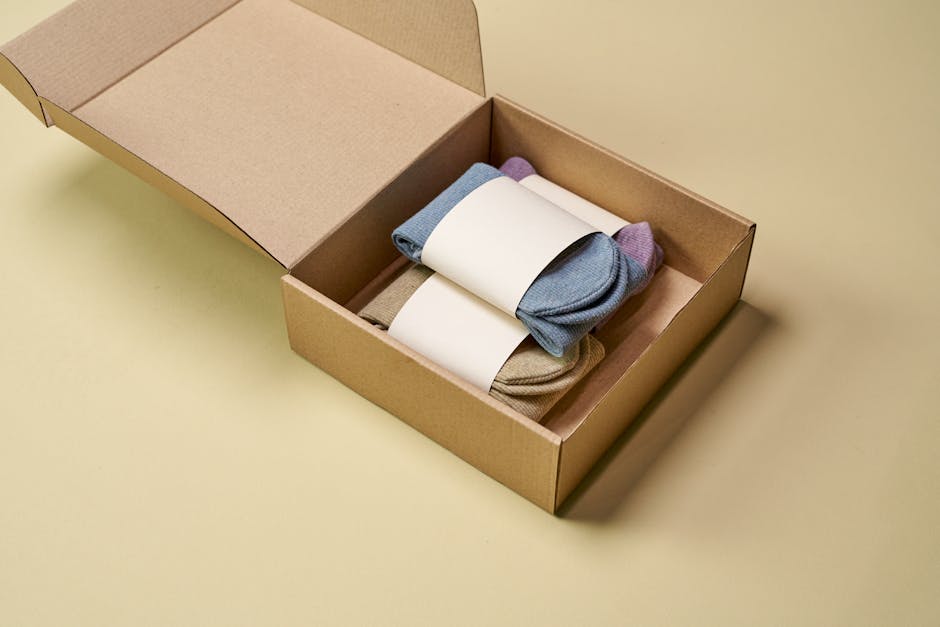
Eighteen months of trail hiking grinds a heel thin. The sock has no stitching flaw, no dropped stitch, no manufacturing defect. The wool has simply worn down under repetitive friction at the contact point, exactly what socks are engineered to absorb. You mail the pair in expecting a replacement under a "lifetime guarantee," and the claim comes back denied. Normal wear, the single most common way socks fail, is excluded.
That denial is the gap between unconditional and defect-only coverage, and it has a price tag. Under an unconditional warranty, that worn-through heel qualifies for a replacement pair. Under a defect-only policy, it does not. A replacement pair at $22 retail versus a few dollars in return shipping is roughly $20 per denied claim, and over a decade of replacing worn heels every eighteen months, that gap compounds into well over $100 in avoidable spending. Two socks marketed with identical durability language produce radically different out-of-pocket outcomes depending entirely on which policy type backs them.
The legal backdrop explains why the gap persists. Under FTC guidance on warranty advertising, "lifetime" refers to the expected useful life of the product, not the lifetime of the purchaser. The Magnuson Moss Warranty Act requires that warranties spell out repair, replacement, and refund obligations in defined terms and prohibits deceptive advertising. These rules stop brands from printing "lifetime" on packaging without specific conditions attached, but those conditions can still exclude the exact failure mode most owners experience. The legal standard sets a floor, not a promise, and Darn Tough's guarantee sits well above it while Smartwool's hovers near it. That coverage gap is what the comparison table below makes concrete.
Lifetime Guaranteed Socks and Warranties Compared
The table below maps what each major brand's warranty actually covers based on their published terms.
| Brand | Guarantee Type | Coverage Scope | Receipt Required |
|---|---|---|---|
| Darn Tough | Unconditional Lifetime | Any failure, any cause | No |
| Smartwool | Limited warranty | Manufacturing defects | Typically yes |
| Icebreaker | Limited warranty | Defects, varies by line | Yes |
| Wigwam | Satisfaction guarantee | Manufacturing defects | Yes |
| Feetures | Lifetime (select models) | Defects and comfort | Varies |
The economic gap between these warranties hinges on one question: does the policy cover the heel-and-toe thinning that the previous section identified as the dominant sock failure mode? Whether you replace worn socks for the cost of return shipping or at full retail determines the real cost-per-decade.
Darn Tough's unconditional lifetime guarantee is the only major-brand policy where progressive heel wear qualifies as a claim. For an active wearer who thins through heels every two years, that means replacing socks for a few dollars in return shipping rather than $25 at retail. Over a decade, that coverage difference saves roughly $50 to $100 compared to defect-only brands, based on the replacement frequencies modeled later in this article.
Smartwool's guarantee terms center on manufacturing defects and product satisfaction, not open-ended wear replacement. The failure most owners actually experience, progressive friction thinning at high-contact points, reads as normal wear under these terms and typically falls outside coverage. An owner who wears through Smartwool heels every eighteen to twenty-four months absorbs $110 to $154 per decade in full-price replacements, since each worn pair must be repurchased rather than claimed.
Icebreaker's warranty policy follows a similar defect-based structure with conditions that vary by product line. The practical cost implication matches Smartwool's: regular wear thinning is unlikely to qualify, so owners pay full replacement cost each cycle. Checking which product line your socks fall under before purchasing tells you whether you are buying real coverage or a narrower satisfaction promise.
Feetures markets a lifetime guarantee on select models, reportedly covering both manufacturing defects and comfort satisfaction. Without published warranty documentation as detailed as Darn Tough's or Smartwool's, the coverage scope is harder to pin down independently. Treat the guarantee as a satisfaction promise until confirmed otherwise, and weigh the upfront price accordingly.
The Wigwam merino hiker sits at a lower price point with solid merino construction. Like most competitors in this price bracket, its warranty typically covers manufacturing defects rather than progressive wear, though the exact terms are worth confirming directly with the manufacturer before purchase. The lower upfront cost partially offsets this narrower coverage, yet over a decade the math still depends on how long the socks independently resist thinning. That is where the word "lifetime" on packaging diverges from buyer expectations: standard warranty definitions allow brands to use the term for policies covering manufacturing defects only, not the progressive wear that actually forces replacement.
What Actually Happens When You File a Sock Warranty Claim
Warranty terms on paper are one thing. The experience of mailing worn-out socks back to a manufacturer is another, and the practical gap between the two is where most buyers discover what their guarantee actually means.
Darn Tough's process is designed to be routine. You fill out a short online form with your name, address, and the sock style and size, then mail the worn socks to Vermont. The company processes the claim and ships a replacement pair or issues store credit toward a new purchase. Independent accounts of the Darn Tough claim experience describe turnaround times of a few weeks with minimal friction. The socks can be in any condition, since the guarantee covers any cause of failure, and the only real cost to you is return shipping, typically a few dollars for a padded envelope.
For defect-only warranties, the process is fundamentally different. You may need a receipt, photos of the failure point, and a written explanation of how the socks were used. Customer service then evaluates whether the damage reads as a manufacturing defect or normal wear. Success often depends on whether the failure pattern suggests a stitching or construction problem rather than routine thinning, and the outcome is not guaranteed.
The practical reality, based on the durability expectations these construction standards set, is that many premium sock owners never file a claim at all. Darn Tough socks receiving moderate wear, meaning weekly hiking or daily office use on rotation, are commonly reported by owners to last multiple years before showing significant thinning. Some owners use the warranty at that point. Many simply buy a new pair because the process, while not painful, is not zero-effort.
Why Construction Quality Predicts Sock Longevity

If the warranty is a confidence signal, construction quality is what generates the confidence. Three variables matter more than any others in predicting how long a merino wool sock will last, and most product pages mention none of them.
Merino-to-Nylon Blend Ratio
Pure merino wool feels luxurious but abrades quickly under foot pressure. Most durable merino socks blend wool with nylon for structural reinforcement. The merino-nylon blend breakdown from yarn specialists explains how nylon functions as a load-bearing scaffold within the softer wool matrix, holding shape under cyclic load.
The durability sweet spot tends to fall around 60 to 65 percent merino with 30 to 35 percent nylon, though exact ratios vary by model and intended use. Higher merino percentages feel softer but compress and thin faster at contact points. Lower merino percentages sacrifice some of the moisture management and temperature regulation that makes wool worth buying over synthetic alternatives. Durable hiking socks commonly use around 60 to 65 percent merino, which is part of why well-constructed models hold up under trail abuse.
Heel and Toe Reinforcement Technique
Not all reinforced heels and toes are created equal. The sock reinforcement guide distinguishes between true targeted cushioning, where additional yarn is woven into high-wear zones during knitting, and simple ply increases, where the same yarn is stitched denser in those areas. Both show up in marketing as "reinforced," but targeted cushioning adds material where abrasion concentrates while ply increases merely compact existing fibers.
Targeted cushioning correlates with wear resistance more strongly than overall sock weight class. A lightweight sock with properly reinforced heel and toe zones can outlast a heavyweight sock that relies on bulk alone, because the failure mode is concentrated friction at specific points, not uniform fabric breakdown across the entire foot.
Stitch Density and Knitting Technique
Denser stitching creates more interlocking points per square inch, which distributes shear forces across a wider area and slows thin-spot formation. Textile abrasion research confirms that fabric structure, including stitch density and yarn interlock patterns, is a primary variable in how quickly knit materials degrade under cyclic friction.
Darn Tough is widely reported to use dense knitting techniques that produce more stitches per inch than typical production runs. This is a manufacturing cost decision. More needles per inch means slower production and higher per-unit cost, but the resulting fabric resists the heel-grinding and toe-poking that kills lesser socks. For anyone comparing socks on construction rather than marketing, these three metrics, blend ratio, reinforcement technique, and stitch density, tell you more than any warranty page ever will.
The Honest Cost-Per-Decade Math
Here is where the analysis gets concrete. The table below models cost-per-decade using realistic assumptions about replacement frequency and warranty utilization. These are illustrative calculations, not lab results, and individual experience varies with wear patterns, foot anatomy, and activity level.
| Scenario | Upfront Cost | Expected Life | Pairs Per Decade | Cost Per Decade |
|---|---|---|---|---|
| Budget cotton socks | $8 | 6 months | ~20 | ~$160 |
| Mid-range merino (Smartwool) | $22 | 18 to 24 months | ~5 to 7 | ~$110 to $154 |
| Darn Tough, no claim filed | $25 | 36 to 48 months | ~3 | ~$75 |
| Darn Tough, one claim filed | $25 plus return shipping | Extended via warranty | ~2 bought | ~$53 |
The math reveals two findings. First, premium warranty-backed socks can be competitive with or lower than budget alternatives even if you never file a claim, because the construction quality extends the replacement cycle enough to close the gap. Second, filing even one claim over a decade drops the cost-per-decade below what any non-warranty sock can mathematically match.
The assumption that drives everything is the replacement cycle. If Darn Tough socks lasted the same eighteen months as Smartwool, the cost-per-decade would be roughly equal and the warranty would be the only differentiator. The reason Darn Tough wins on cost-per-decade is that the socks independently last longer. The warranty is the manufacturer telling you they expect that.
Darn Tough's denser stitching, balanced merino-nylon blend, and reinforced heel-toe construction are what actually extend the replacement cycle and drive down cost-per-decade. For the high-rotation wearer who logs daily miles in their socks, this is where the premium pays for itself fastest, since the longer replacement cycle compounds across every pair in the drawer.
Verdict on Which Lifetime Sock Wins
Darn Tough wins on cost-per-decade, and you can see why on the product page before you ever open the warranty fine print. The blend ratio, the heel-toe reinforcement technique, and the stitch density are what keep these socks in rotation three to four times longer than budget cotton alternatives. The unconditional guarantee lets you verify that advantage risk-free, but the edge is in the knitting, not the legal document.
The single most important buying criterion is stitch density combined with targeted reinforcement in high-wear zones, not the warranty language printed on the packaging. A sock knit with more needles per inch and genuine cushioning woven into the heel and toe will outlast a heavier sock that relies on bulk alone, because the failure mode is concentrated friction at specific points, not uniform fabric breakdown. This is where Darn Tough invests and where most competitors cut corners.
There is one scenario where a cheaper alternative actually wins. If you rotate between five or more pairs, wash on gentle, air dry, and never subject your socks to trail-grade abrasion, a mid-range merino option at $18 to $22 can last long enough that the Darn Tough premium buys marginal improvement rather than transformative value. Under light wear with careful maintenance, defect-only warranties from Smartwool or Icebreaker become less relevant because the socks rarely fail in the first place.
For everyone else, whether that means hiking, standing on concrete all day, or simply wanting socks that survive more than a season, the next step is concrete. Before buying, check the blend ratio on the product page and look for roughly 60 to 65 percent merino with 30 to 35 percent nylon. Then confirm whether the heel and toe use targeted cushioning rather than a simple ply increase. Those two checks predict longevity more reliably than any warranty claim, and they take less than a minute.
Stay in the loop.
Get the latest posts and exclusive content delivered to your inbox.
Join 25 readers. No spam. Unsubscribe in one click, anytime.
About the author
Naomi Estrada
Value and Comparisons Analyst
Naomi came to durable goods through cost-per-use economics, running the numbers on cheap-versus-quality for a personal-finance site before going all-in on BIFL. She builds the head-to-head comparisons and best-of rankings so readers stop guessing and buy the right product the first time.
Related Posts

Hemp vs Cotton T-Shirts, Judged Where Tees Actually Die
Hemp vs cotton t-shirts judged at the fiber level, what hemp changes about collar and under-strap failures, and when it earns its price premium.

Sashiko Repair Ranked by Cost per Wear for BIFL Apparel
Sashiko repair for buy-it-for-life apparel, ranked by cost per wear. Find which knees, elbows, and stress points repay stitching and when replacing wins.

Buy It for Life Women's Robes Ranked by Construction
Buy it for life women's robes ranked by weave, cuff construction, and belt anchoring, with failure-mode analysis and cost-per-wear math for decade-plus wear.