Most Durable Sport Sandals Ranked by How They Die
The most durable sport sandals are not the comfiest on day one. We rank Teva, Chaco, Bedrock, and Keen by the failure modes that actually retire them.
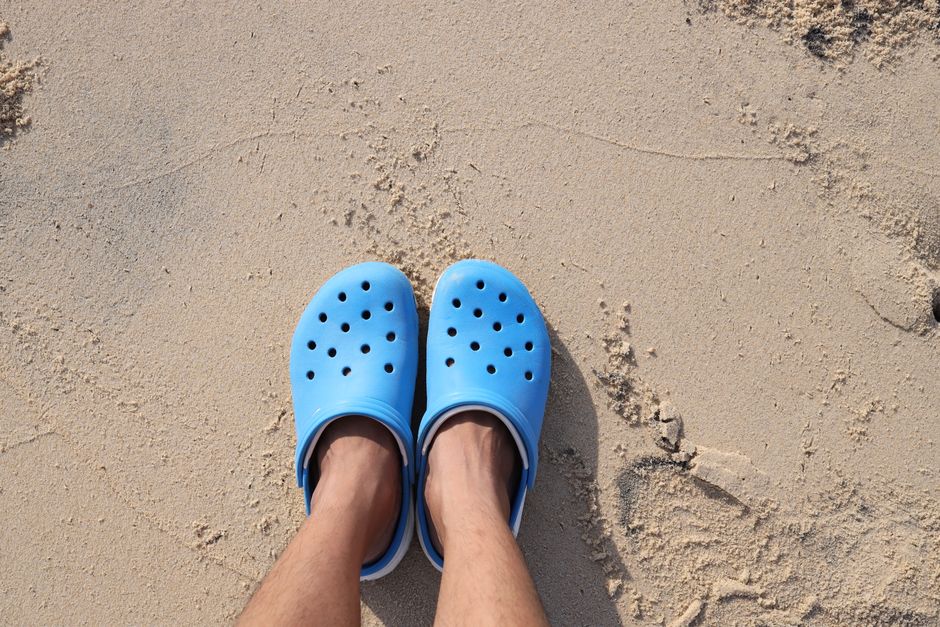
Ask a longtime Teva owner about their newest pair and you hear a particular story. The old sandals had soles "like butter." The replacement, same model, same size, feels like standing on stiff cardboard. The internet's usual verdict is that the brand quietly cheapened the product. The more useful reading is that the owner is describing a measurable foam property called durometer, and that the butter and the cardboard are the same variable seen from opposite ends. The most durable sport sandals are not hiding behind a logo. They are the pairs whose failure modes you can name in advance and whose worn parts somebody will actually replace. This guide ranks the major platforms on both counts, then prices out the repair paths that separate a three-year sandal from a fifteen-year one.
Stay in the loop.
Get the latest posts and exclusive content delivered to your inbox.
Join 25 readers. No spam. Unsubscribe in one click, anytime.
Where the "Teva Got Worse" Complaint Comes From
The complaint has a stable shape across forums: an owner buys the same model after years of loyal wear, finds the new sole stiffer and less cushy, and concludes that quality dropped. A representative BuyItForLife complaint thread collects exactly this pattern, with owners reporting Tevas flattening or breaking down inside two years of regular use. Some of that is nostalgia. Some of it is real. Almost none of it is framed in a way that helps you buy better.
The reframe matters more than the blame. If Teva moved to a firmer midsole compound, owners would report precisely what they report now: a stiffer underfoot feel and less day-one squish. And under the failure physics below, firmer foam is generally the durability move. "They ruined the feel" and "my old buttery pair packed out in two years" are, mechanically, the same complaint aimed in opposite directions. Before you blame the factory, you need to know which failure actually killed your last pair, because only one of the four candidates has anything to do with foam softness, and only some of them are anyone's fault at all.
The Four Failure Modes That Retire Sport Sandals

Nearly every sport sandal death certificate lists one of four causes. Reading them on your own pair is what separates durable gear judgment from brand loyalty, and it is the entire basis of the ranking in this article.
| Failure mode | What it looks like on your pair | Repairable? |
|---|---|---|
| Midsole compression set | Footprint flattened into the footbed, dead bounce, foot sits visibly lower, arch contour gone | No. Packed-out foam does not rebound |
| Outsole to midsole delamination | Sole flap at the toe, clicking or bubbling under the footbed, tread peeling at the edges | Yes, via resole or cobbler cement, if the midsole is still sound |
| Webbing and hardware failure | Strap torn at an anchor point, adjuster teeth stripped, fraying where webbing passes through the footbed | Depends entirely on architecture |
| Footbed top-sheet peel | The thin top layer lifting at the heel or toe edge | Usually cosmetic, fixable with adhesive until it spreads |
Two of these deserve immediate context. Delamination is the signature failure of cemented construction, where outsole and midsole are glued rather than molded or stitched together; flex cycles, heat, and water all attack that cement line, which is why soles delaminate on cheap and expensive shoes alike. Footbed peel is the most commonly reported annoyance across all four brands compared here, and it is almost always cosmetic until lifted edges roll underfoot or catch on terrain.
What separates the most durable sport sandals from disposable ones is which of these four failures ends the relationship, and whether anything can be done about it once it starts.
Why Softer Midsole Foam Feels Better and Dies Younger
Durometer is a hardness score, the resistance of a material to indentation. A lower number means softer foam, and softer foam deforms further under the same load. That deformation is the cushioning you feel on day one. Each step collapses foam cells, well-behaved foam springs back, and every cycle leaves behind a small residue of permanent flattening. Compression set is that residue accumulated until the foam stops rebounding, and labs measure it under standards such as ASTM D395. Footwear-focused studies of EVA midsoles document the same rebound loss and permanent deformation from repeated loading in real shoes.
The mechanism has an uncomfortable corollary. Within the same foam family, a lower-durometer EVA midsole generally reaches visible compression set sooner than a firmer one. The squish that sells you the sandal in week one is the deformation that accumulates into a flattened footbed by year three. Out-of-box cushion and midsole lifespan trade against each other rather than improving together.
There is a second-order effect, too. A softer midsole flexes more at the glue line, which means more shear on the cement bond with every stride. The comfort-forward compound does not just pack out sooner; it also tends to peel its own outsole sooner.
Polyurethane is the counterexample that proves the trade is real. PU midsoles are denser, heavier, and costlier, and they resist compression set far longer than EVA, which is why EVA versus PU midsole comparisons usually end with PU winning durability and EVA winning weight, cushion, and price. Most sandal makers take the EVA side of that trade, so the foam clock is running on nearly everything you can buy.
Running shoes make the cleanest demonstration of where the clock sits. Running shoe midsole research and common replacement guidance put cushioning life at roughly 300 to 500 miles, long before the outsole wears through. Sandals load their foam more gently but for many more years, with UV exposure, wet-dry river cycles, and hot car floors stacked on top. Either way, the outsole is rarely the clock. The foam is.
Can the Teva Reformulation Claim Actually Be Tested?
The straight answer is no, not from the outside. Neither Teva nor any other brand in this comparison publishes midsole durometer specs or reformulation documentation, so the claim that soles got worse cannot be confirmed as a spec change. It can only be assessed through mechanism and owner-reported wear timelines. Anyone telling you a definite reformulation happened is filling the gap with narrative.
What you can test is your own pair, and the checks take two minutes:
- Forefoot print depth. Press a thumb hard into the midsole under the ball of your foot. Fresh foam rebounds; packed foam keeps the dent. If you own an old and a new pair of the same model, run the test on both and the durometer difference, if any, shows itself.
- Heel crater. Put the sandal on and look down. If your heel has excavated a visible bowl and the molded arch has gone vague, compression set is advanced and the sandal is on borrowed time regardless of brand.
- Edge roll. Midsole edges bulging or rounding outward under the arch mean the foam has stopped resisting lateral spread, another late-stage compression symptom.
Owner timelines cut both ways. A long-term Hurricane XLT2 review documents years of hard use on the current model, which sits awkwardly next to a blanket "everything got worse" story. Gait, load, storage, and batch variance all swamp brand-level narratives.
And note the ambiguity before you file the complaint. If a reformulation made the foam firmer, underfoot comfort dropped but the sandal probably survives longer. Define "worse" first: worse to stand on, or worse at staying alive? The durometer trade says you largely cannot maximize both.
Teva, Chaco, Bedrock, and Keen Through the Failure-Mode Lens
The classic Chaco vs Teva durability argument is usually fought over comfort and sole pattern. Ranked on failure physics and repair access instead, the category sorts cleanly into repairable platforms and cemented disposables.
| Model | Midsole pack-out risk | Delamination exposure | Webbing architecture | Repair ecosystem |
|---|---|---|---|---|
| Teva Original Universal | High, soft EVA | Moderate, fully cemented | Multiple anchored straps | No official program |
| Teva Hurricane XLT2 | High, soft EVA | Moderate, cemented | Multi-strap, stitched anchors | No official program |
| Chaco Z/1 Classic | Lower, dense footbed | Lower, stitched through | Single continuous strap | ReChaco rewebbing and resole |
| Bedrock Cairn | Moderate, EVA | Managed, sole is a wear part | Anchored but serviceable | Official Vibram resole program |
| Keen Newport H2 | Moderate, EVA | Higher, cemented toe build | Multi-strap plus toe cover | No official repair program |
These ratings reflect construction type and repair access, not lab durometer data, because no such data is published by anyone.
The Chaco row earns its position through one design decision. The Z/1's single continuous webbing is threaded through the midsole and tensioned by the buckle, which eliminates the glued and bar-tacked anchor points that commonly fail on multi-strap sandals like the Hurricane XLT2 and Newport H2. When a strap does wear, it is a service item, not a funeral. Owner reports on how long Chacos last tend to cluster around a decade or more, but the honest phrasing is that the footbed compound is the ceiling and everything else is renewable.
The Keen row is the mirror image. The Newport's cemented protective-toe build has no comparable official repair ecosystem as of this writing, and Keen's official warranty page covers manufacturing defects rather than wear, which is a replacement policy rather than a repair program. Keen Newport sole separation reports fit the pattern you would expect from a fully cemented assembly: once the glue line or the foam goes, the lifespan ends. Writers and buyers should re-verify that repair situation before purchase, since programs do change.
Rewebbing and Resoles, What They Fix and What They Cost
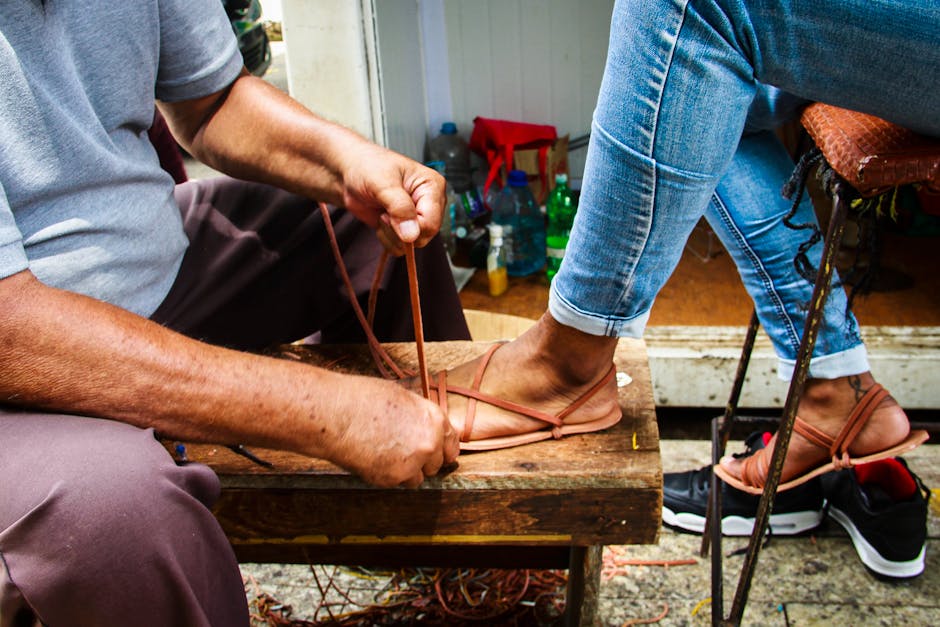
Sport sandal repair splits cleanly along the failure-mode table above. Rewebbing replaces straps. Resoles replace outsoles. Neither touches foam.
Chaco ReChaco.Chaco's repair service offers rewebbing and resoling at prices that have typically sat well below the cost of a new pair, letting a sound footbed outlive multiple sets of straps and outsoles. Check the current rate before you ship, but the historical pattern is that a reweb costs a fraction of replacement. This is why the Z/1's dense, unfashionable footbed is a feature: it is the part the whole service economy hangs on.
Bedrock's resole program. Bedrock designs the Cairn line around cemented Vibram outsoles treated explicitly as wear parts, backed by an official resole program. It is the closest thing in the category to a replaceable-consumable sole. You buy the platform once and refresh the tread.
The cobbler route. For brands with no program, a cobbler can often re-cement a delaminating sole or fit new rubber; Vibram's repair locator finds shops that work with their soles. This works when the midsole is still healthy. It is money thrown away when it is not.
The one hard limit: no service on the market revives a packed-out midsole. Rewebbing replaces straps, resoles replace outsoles, and a compressed EVA midsole stays compressed. Run your thumb test before you spend a dollar on repair. If the footprint is flattened and the bounce is dead, a resole just gives you fresh tread on a dead chassis.
The decade economics are simple enough to run in your head. Suppose a comfort-forward pair costs 100 units and dies at year three, while a repairable platform costs 130 and takes a 40-unit service cycle every four years. By year twelve you have spent 400 on disposables and 250 on the platform. Those numbers are illustrative, not quotes; swap in the prices you actually see at checkout and the crossover usually still lands in the middle years, provided you actually use the repair service. Resoleable sandals change the ownership math only for owners who exploit them.
How to Buy the Most Durable Sport Sandals for Year Ten
Whether you are shopping for durable hiking sandals or a summer everyday pair, the buying rubric is the same five questions.
- Trace the webbing. One continuous strap passing through the midsole beats glued and bar-tacked anchors every time. If you cannot follow the strap's path, you cannot replace it, and neither can a repair shop.
- Count metal. Metal buckles and adjusters outlast plastic cams, and their failure is the cheapest thing a repair service can fix.
- Ask what the outsole attaches to. A cemented Vibram sole with an official resole path is a wear part. A proprietary cemented sole with no program is a countdown timer.
- Check for a repair program, not a warranty. ReChaco and Bedrock run actual service ecosystems. A warranty page covers defects, which is a different promise from longevity.
- Choose your durometer knowingly. Buy the buttery pair for three seasons of bliss, or the dense platform for a decade. Neither choice is wrong. Confusing the two is.
Care habits buy extra years against every failure mode: rinse grit out of webbing pass-throughs, dry sandals away from direct heat that stresses cement lines, touch up lifting footbed edges with adhesive before peel spreads, and store them out of the sun, because UV eats EVA from the day you buy it.
The practical divider between pairs retired around year three and pairs still in service past year ten or fifteen is repair access plus that basic care, which is exactly why this ranking keys on repairability rather than price or first-week comfort. Know which death your sandal is walking toward, buy the one whose death you can postpone, and the cardboard-versus-butter argument takes care of itself.
Stay in the loop.
Get the latest posts and exclusive content delivered to your inbox.
Join 25 readers. No spam. Unsubscribe in one click, anytime.
About the author
Priya Raman
Repair and Restoration Writer
Priya maintains and restores everything she owns, from cast iron to mechanical watches, and has spent years in the right-to-repair community. She writes about maintenance, warranties, and repairs, the half of buy-it-for-life that keeps good gear out of landfills.
Related Posts

Hemp vs Cotton T-Shirts, Judged Where Tees Actually Die
Hemp vs cotton t-shirts judged at the fiber level, what hemp changes about collar and under-strap failures, and when it earns its price premium.

Sashiko Repair Ranked by Cost per Wear for BIFL Apparel
Sashiko repair for buy-it-for-life apparel, ranked by cost per wear. Find which knees, elbows, and stress points repay stitching and when replacing wins.

Buy It for Life Women's Robes Ranked by Construction
Buy it for life women's robes ranked by weave, cuff construction, and belt anchoring, with failure-mode analysis and cost-per-wear math for decade-plus wear.