Best 12V Portable Refrigerators Ranked by What Fails First
The best 12V portable refrigerators ranked by what fails first, not week-one cooling, plus the decade math against a $40 cooler and bags of ice.

Two fridges can leave the factory with the same compressor and meet opposite fates. One is still running in 2045 on its third lid gasket and second control board. The other became e-waste at year four when a sixty-dollar board died and nobody sold a replacement. That gap, not pull-down speed or badge prestige, decides the best 12V portable refrigerator for anyone buying gear to keep for decades. Inside these boxes the cold core is largely a commodity. What separates a twenty-year fridge from a four-year one is the hardware around the compressor and the maker's willingness to keep selling parts for it.
Stay in the loop.
Get the latest posts and exclusive content delivered to your inbox.
Join 25 readers. No spam. Unsubscribe in one click, anytime.
What Fails First on a 12V Compressor Fridge
Almost every ranking of these boxes scores week-one performance: pull-down speed, temperature stability, noise. Independent overland fridge testing covers that ground thoroughly. What it cannot tell you is which unit survives ten summers of washboard and salt air, because that answer lives in failure order, and failure order is remarkably consistent across the category. Which 12V portable refrigerator lasts the longest is a parts question, not a cooling question.
- Control board and power electronics. First to die, usually well before anything mechanical.
- Lid gasket. A consumable that gradually loses compression, forcing longer compressor run times.
- Latch and hinge hardware. Wear items that absorb every slam and vibration cycle.
- Casing. Cracks accumulate at stress points, mostly cosmetic until they reach the lid flange.
- Compressor. Usually last, often outliving the brand's interest in supporting it.
The five picks below are scored on that order: what fails first, whether that part is replaceable years later, how the casing and seals wear, what the warranty signals about parts commitment, and where the compressor comes from. No cooling benchmark asks those questions.
Compressor Provenance, SECOP to the Budget Tier
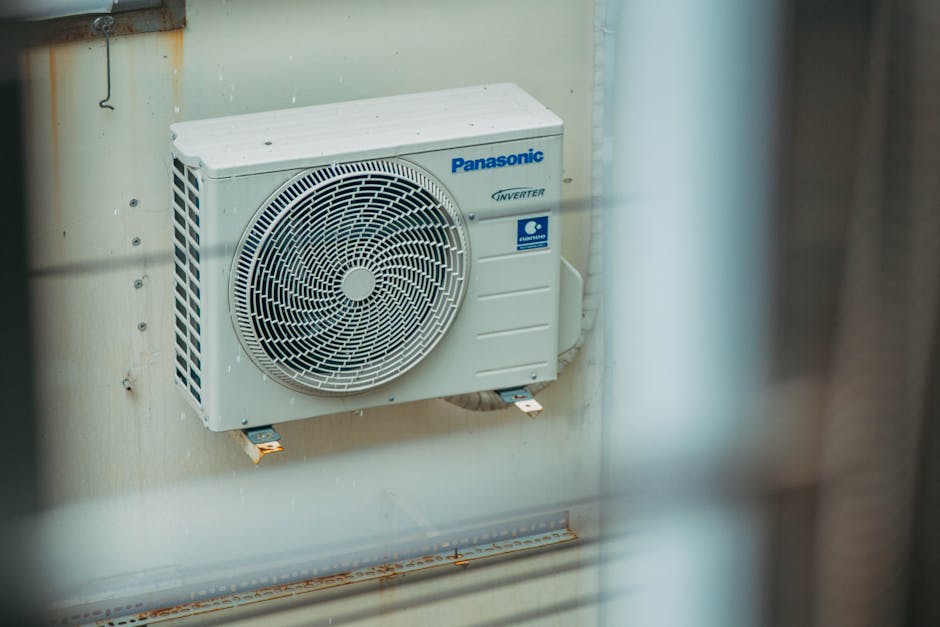
Most name-brand 12V compressor fridges buy compressors from a small shared pool. SECOP, which absorbed Danfoss's compressor business, supplies the BD-35F and BD-50F that anchor a large share of premium boxes; the SECOP BD compressor datasheets document that BD family, and the newer BD NextGen product line carries it forward. Engel runs its own path with the Sawafuji swing motor, a design whose selling point is minimal moving parts, as Engel's swing motor design explains. Below those sits a lower-cost Chinese OEM tier that powers most budget boxes. The practical consequence: two fridges $600 apart can share a near-identical cold core, so paying a brand premium for the compressor itself is usually wasted money.
Provenance still matters, just not the way reviews imply. SECOP BD-series compressors and Engel's swing motor both carry multi-decade field reputations in marine and overlanding service, and that track record, not a week-one temperature graph, is the signal that predicts a fridge still running in twenty years. In the swing compressor vs SECOP debate, both sides win: the SECOP electronics platform has a broader aftermarket, the Sawafuji motor is simpler. Name-brand compressors also tend to be more vibration-tolerant and efficient, which matters on corrugated roads and small battery banks. But the compressor is usually among the last parts to fail. Choosing a fridge for its compressor alone is like choosing a truck for its engine while ignoring the transmission.
Control Boards, the First Thing to Die
Failure one earns its place, and most of its killers are preventable. Low-voltage brownouts: a house battery sagging under the fridge's overnight draw pushes the driver stage to the edge of its spec, and repeated sags fatigue components long before their rated life. Voltage spikes: alternators, DC-DC chargers, and solar controllers can hand the board input transients it was never rated for, and one bad spike ends the power stage outright. Condensation: the display and driver boards sit in the coldest, dampest air in the box, cycling through the dew point every time the lid opens. Then the arithmetic: a board packs more semiconductors than the rest of the fridge combined, dozens of failure points mounted inches from a cold, damp environment, while the compressor it manages is a motor with a couple of moving parts.
Because boards die first, board replaceability is the single best predictor of decade survival. Score any candidate on three tests before paying:
- Wiring diagrams published, so any technician can diagnose rather than guess.
- The board sold as a numbered spare, so a 12V fridge control board replacement is a part number and a shipping charge, not a warranty claim or a dead box.
- Third-party controller support, which exists for SECOP-driven boxes because that electronics platform is an industry standard with an aftermarket.
Boxes that pass all three are repairable indefinitely. Boxes that fail all three were designed to be replaced, whatever the price tag says.
Lid Seals, Latches, and Casing Durability
Gaskets, latches, and hinges are consumables by design, which is fine, provided the maker treats them that way too. A lid seal loses compression over years of slamming and UV. Latches and hinges take every vibration cycle. The question separating brands is whether those parts are still orderable five years after purchase.
Run the test before buying: find gasket, latch, and hinge part numbers for a model that launched five or more years ago. If the answer is discontinued, treat every current spec sheet with suspicion, because today's model will be tomorrow's orphan.
Casing material sets the failure menu. ABS plastic keeps weight and price down and cracks on impact. Steel shrugs off abuse, holds hinges rigid, and rusts where coating is breached. Roto-molded shells insulate well and absorb impacts but can flex at the lid line, the worst place to flex. Latch architecture matters equally: metal over-center latches are rebuildable, while plastic friction catches are landfill.
What a Fridge Warranty Actually Signals
Warranty terms in this category cluster between one and three years, with a few longer outliers: ARB fridge warranty terms sit mid-band, while the SnoMaster warranty page is one of those longer outliers. Even the longest coverage stops far short of realistic service life, so no term is a lifespan guarantee. Used correctly, warranty length is a proxy. A maker confident enough to extend coverage usually also built a parts pipeline, because warranty repairs and parts sales share the same inventory and logistics.
Read the two signals together and treat disagreement as the tell. A long warranty paired with no published spare parts is marketing. A shorter warranty paired with a deep, public parts catalog is a company that expects you to repair the fridge rather than replace it. That is the portable fridge warranty comparison that actually predicts a second decade, and it is where the endless Engel vs Dometic vs ARB reliability arguments get settled: those brands differ far more in parts logistics than in cold-core quality.
Five Best 12V Portable Refrigerators for Decade Survival
Ranked on failure order and repair ecosystem rather than cooling benchmarks, five lines stand out, each for a different reason. Prices move constantly; the architecture underneath them does not.
| Pick | Likely first failure | Spares outlook | Casing and seals | Warranty signal | Sharpest trade-off |
|---|---|---|---|---|---|
| Engel MT-series | Lid gasket, after many years | Strong, long parts record around the swing motor | Steel or rugged ABS, metal latches | Standard term, deep support | Pay more for simplicity |
| ARB Classic / Zero | Latch and hinge wear | Strong dealer network | Robust shell, quality latches | Mid-band coverage | Premium price, conventional core |
| Dometic CFX3 | Display board and app electronics | Public parts portal, strong | Composite shell, replaceable gasket | Standard term, documented spares | More electronics to fail |
| SnoMaster | Gasket and hinge consumables | Good, steel-casing specialist | Steel casing, well insulated | Longer outliers offered | Weight and price |
| Iceco / Alpicool SECOP models | Control board | Thin, mostly self-serve | Budget ABS | Short term | Repair risk is the discount |
Two notes on the table:
- Engel MT45: the Engel MT45 product page still reflects a design philosophy built around one durable motor and serviceable everything else, which is why the MT anchors most buy-it-for-life portable fridge threads.
- Dometic spares: the Dometic spare parts portal is the easiest to shop among the feature-rich brands we checked, exactly what you want on a box whose display board is its likeliest failure point.
Engel MT-series
Count on the gasket failing first after years of service; the long parts record around the swing motor makes that repair a phone call.
ARB Classic / Zero
Latches and hinges wear out before anything electronic does, and the dealer network stocks the hardware.
Dometic CFX3
The display board and app electronics are the likeliest first death, and the public parts portal is the reason that risk is acceptable.
SnoMaster
Gasket and hinge consumables lead the failure order; the steel-casing specialist keeps them available, and you pay in weight.
Iceco / Alpicool on SECOP
The control board is the first and hardest failure to source, with spares mostly self-serve; accept that and the discount is honest.
Decade Break-Even Math, Fridge vs a $40 Cooler and Ice

Whether the fridge beats ice is arithmetic, and the assumptions matter more than the conclusion. Set the baseline honestly: a capable cooler costs about $40, bagged ice runs roughly $3 to $5 depending on region and venue per bagged ice price data, and the fridge adds a modest power cost you can estimate from figures like Dometic CFX3 energy figures scaled to your battery and solar. Spoiled or soggy food is real but hard to price, so this table ignores it, which is the conservative choice for the cooler. The exclusions do not all run one way: the fridge's own power draw is left out too, so every break-even below reads slightly optimistic for the fridge.
| Profile | Usage assumption | Ice cost per year | Break-even on $700 fridge | Break-even on $1,500 fridge |
|---|---|---|---|---|
| Weekend warrior | About 20 nights, 2 bags per night | $120 to $200 | 3.5 to 6 years | 7.5 to 12.5 years, maybe never |
| Seasonal traveler | 60 to 90 nights, 2 bags per night | $360 to $900 | 1 to 2 years | 2 to 4 years |
| Full-timer | Daily ice at $4 to $6 | $1,500 to $2,200 | Under a year | 1 to 2 years |
Read the edges honestly. A light user buying the premium box may never break even inside ten years, and no amount of brand loyalty changes that. A full-timer recoups even the most expensive unit within one to two years and then banks the difference every year after. The 12V fridge vs cooler ice cost comparison has only one universal answer: the more nights you camp, the shorter the math gets.
Maintenance Habits That Decide the Second Decade
How long do compressor fridges last in real service? Field reports routinely describe units running past a decade, sometimes two, and the common thread is not brand premium but failure-order management: a short schedule of deliberate acts, each one deferring a specific item on the five-failure list. Do the day-one item before the first trip; repeat the rest each season.
- Enable the low-voltage cutoff on day one. This is a setup step, not a footnote. Compressor manuals document the battery protection settings, as this low voltage cutoff manual shows, and the cutoff often ships disabled. Every brownout it blocks is more life for failure one.
- Feed it stable power. Healthy house battery, adequate wire gauge, clean connections: the same defense of failure one, from the supply side.
- Clean the gasket, check the latch. Minutes a year is the entire maintenance budget for failures two and three.
- Keep clearance around the compressor bay. A few inches of airflow cuts run time, and run time is what grinds down failures two through five.
- Carry the failure point. A spare board or third-party controller turns failure one striking mid-trip into a trailside fix, which beats a warranty you cannot exercise from the middle of nowhere.
Verdict and Buying Rules
Decision rules by user type:
- Under about 20 nights a year: stay with the cooler and ice. The fridge is a comfort purchase, and an honest one at that.
- Seasonal overlander: buy repairable premium, Engel, ARB, or Dometic CFX3, and verify gasket and board part numbers before checkout.
- Full-timer: the fridge pays for itself quickly, so spend the difference on the deepest parts shelf, not the biggest discount. The best 12V portable refrigerator for a full-timer is the one still serviceable at year ten.
- Budget buyer: whether budget 12V fridges are worth it long term depends on your willingness to self-rescue. SECOP-powered budget boxes deliver a genuine premium cold core, but the savings came out of the surrounding electronics and the spares pipeline, so add surge protection and carry a spare controller.
Never compromise on three failure modes: no parts pipeline at all, boards glued or fused with no diagram, and a gasket unavailable within five years of launch. Those are the traits of boxes designed to be replaced.
One-line verdicts. Engel MT: the default buy-it-for-life pick; you are paying for the parts record, not the badge. ARB: dealer-backed durability at a premium. Dometic CFX3: the best-documented spares among feature-rich boxes, and the most electronics to lose. SnoMaster: steel-case toughness for abusive routes, paid for in weight and price. Iceco or Alpicool on SECOP: the smart budget lane if you accept self-rescue.
The two fridges from the opening are the same fridge inside. One was supported and maintained; the other was orphaned. Pick the support, run the math, and either choice becomes the right one.
Stay in the loop.
Get the latest posts and exclusive content delivered to your inbox.
Join 25 readers. No spam. Unsubscribe in one click, anytime.
About the author
Priya Raman
Repair and Restoration Writer
Priya maintains and restores everything she owns, from cast iron to mechanical watches, and has spent years in the right-to-repair community. She writes about maintenance, warranties, and repairs, the half of buy-it-for-life that keeps good gear out of landfills.
Related Posts

5 Buy It for Life Mattresses Ranked by Repairable Parts
Buy it for life mattresses ranked by repairable parts, from swappable comfort layers to flippable builds, with warranty math and cost per decade.

Buy It for Life Blankets Ranked by How They Die
Buy it for life blankets ranked by how they die, from bamboo rayon wet-strength loss to wool moths, with fiber science and cost per decade math.

Buy It for Life Area Rugs Ranked by How They Die
Buy it for life area rugs are decided by construction, not fiber. Learn the flip and inspect test, the glued-back failure mode, and cost-per-year math.