The Best Tool Belt Is the One That Fails Last
The best tool belt is the one that fails last. We rank leather and nylon rigs by the parts that break first, with cost-per-year math by trade.

Ask ten sites for the best tool belt and you get ten flavors of the same ranking, scored on pocket count, price, and how the padding feels new out of the box. None of that predicts whether the rig survives its second framing season, because tool belts rarely wear out evenly. They fail at a short list of predictable, inspectable points, usually a stitch line you could have checked before paying.
Stay in the loop.
Get the latest posts and exclusive content delivered to your inbox.
Join 7 readers. No spam. Unsubscribe in one click, anytime.
This guide ranks belts the way they actually die. You will learn the five failure points that decide a belt's lifespan, how leather and nylon each give up, a cost-per-year method you can rerun with your own prices, and which tier fits your trade. It closes with a two-minute store aisle inspection and the care habits that stretch a belt from seasons to decades.
The stakes go beyond money. Back problems are among the injuries construction workers report most often, and CPWR injury data tracks them year after year. A belt that sheds its pouches mid-ladder is a cost problem and a safety problem in the same motion.
Why Pocket Count and Price Rank Tool Belts Wrong
A tool belt is a load-bearing structure, closer to a harness than a backpack, and structures fail at joints, not features. Reviews that score pocket count and sticker price never look at the joints.
Pocket count describes day-one organization. Price describes brand positioning. Neither tells you which seam quits first, and cheap consumer belts quit at stitched connections, commonly within the first year or two of daily trade use. That failure pattern is why a $60 belt can cost more per year than the $300 rig it imitates, and why the most durable tool belt that lasts decades is almost never the cheapest one on the wall.
Learn the five failure points below and every tool belt buying guide you have ever read reshuffles.
The Five Failure Points That Decide a Belt's Lifespan
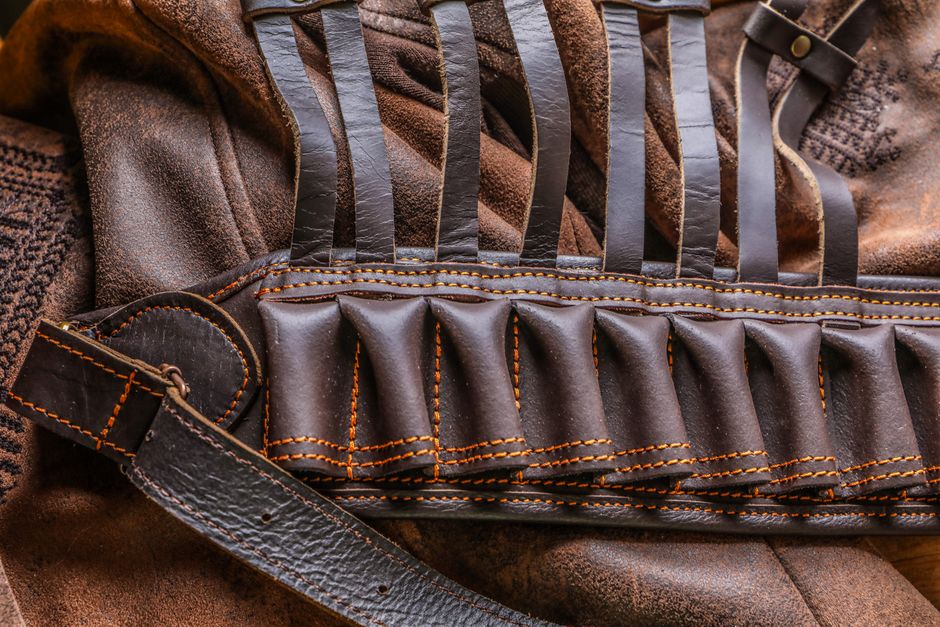
Nearly every premature tool belt death traces to one of five points. Once you can name them, you can judge any belt in a store aisle without trusting a single review.
1. Hammer loop stitching. The hammer loop takes the worst cyclic load on the rig. Every step and every climb, the steel of the handle yanks against a small circle of stitches. Look for a full bartack, a riveted loop, or a loop cut from one folded piece rather than stitched from two. A single straight stitch run holding a loaded loop is a scheduled failure.
2. The bag-to-belt attachment. Pouches tear loose where they join the belt, especially on hang-loop designs that let the bag swing with each step. The strongest attachments stitch or rivet the pouch directly through the belt body, so the load path runs through leather or webbing rather than a clip seam. Grab a pouch and tug it away from the belt. Movement there becomes tearing later.
3. Buckle and rivet wear. A stamped sheet-metal buckle flexes, cracks, and gouges the belt where it pivots. A roller or cast buckle spreads the load and stays smooth. Rivets fail two ways, by pulling through the material or by growing burrs that saw the surrounding thread. Run a thumb over every rivet head. Anything sharp enough to catch skin is sharp enough to cut stitches.
4. Suspender anchors. Anchors carry the full suspended load and fail by tearing out. Stitched leather anchor loops hold and can be re-stitched. Sheet-metal grommets in lightweight nylon rip the fabric around them under real weight. Suspender use is also a back question. NIOSH back pain research has long flagged loaded carrying as a risk for construction workers, and ergonomic belt designs that shift weight to the shoulders are one of the few interventions you fully control.
5. Material death. Leather and nylon die differently, which is the next section. At the shelf, check leather for a dry, pale, chalky surface that cracks when flexed, and check nylon for frayed edges, distorted grommet holes, and sun-faded panels.
One detail outranks all five shells. On many belts the stitching thread is the first component to go, because thread is thinner, more exposed, and often cheaper than the material it holds together. That is why tool belts fail at the stitching long before the shell gives up. UV resistance differs sharply by fiber, and guides to thread material selection favor polyester over nylon thread for outdoor exposure, since polyester holds up better in sunlight. If the shell is leather and the thread is weak, you eventually own leather scraps.
Leather vs Nylon Through the Failure Mode Lens
Frame the leather versus nylon tool belt debate as a failure-mode question and it mostly answers itself.
Leather fails by drying out. Neglected leather loses its oils, goes stiff, then cracks at every flex point, the classic dry rot pattern. Kept conditioned, top-grain leather shrugs off abrasion that shreds webbing, and it is the most repairable material in the category. Any cobbler or leather shop can re-stitch, re-rivet, or patch a leather rig, which is why buy it for life tool belt threads converge on the same few makers.
Nylon fails by fraying, usually at grommets, edges, and anywhere webbing rubs a sharp corner, and it weakens with prolonged UV exposure. In its favor, quality ballistic nylon is remarkably tough for its weight, dries fast, and costs far less than leather of comparable durability. Independent fabric abrasion testing shows high-denier nylons competing well against leather in raw abrasion resistance, though lab wear tests do not capture sun, mildew, and a framer's hammer.
Conditions pick the material. Wet sites and interior finish work favor nylon, which tolerates moisture and stays quiet against painted surfaces. Sun-baked framing decks and abrasive work favor leather. And remember the thread point above. For early-life failures, stitch density and thread type often matter more than the shell, so a well-sewn nylon belt beats cheaply stitched leather.
Cost Per Year Math by Trade
The honest way to compare belts is price divided by realistic service life. The arithmetic is trivial. The assumptions carry the argument.
Cost per year = (purchase price + expected repairs) ÷ years of service life
Assume daily trade use, roughly 200 days a year or more, mixed weather, and basic care. Lighter use stretches every band upward. Here is a tool belt cost per year comparison using typical assumption bands. Rerun it with today's prices before you buy.
| Tier | Example | Assumed price | Assumed life | Cost per year |
|---|---|---|---|---|
| Big-box consumer | Hardware store nylon | $60 | 1.5 years | $40 |
| Mid-tier repairable | Ballistic nylon system | $130 | 4 years | $33 |
| Heirloom leather | Occidental-class framer set | $320 | 12 years | $27 |
Read the fine print. If neglected leather dies at year 8, it costs $40 per year, dead parity with cheap-belt churn, and you carried a stiff rig for nothing. Maintenance is the swing variable, which is why the care section below earns its place.
Warranty and repair policy is the hidden column in that table, and makers vary widely. Husky warranty coverage is easy to check before you buy a big-box belt, though its fabric gear terms differ from its hand tool coverage. Some mid-tier and premium makers publish repair and rebuild programs that push service life well past the table's assumptions, which can materially improve a per-year number. A no-support brand quietly adds replacement cycles to your total.
The Best Tool Belt for Framers, Electricians, and General Contractors

Here are the ranked picks for the best tool belt by trade, judged only on how each one handles the five failure points.
Framers, Occidental Leather
Framers load heavy and stress exactly the parts that fail first, the hammer loop and the bag-to-belt attachment. Heirloom leather rigs answer both with riveted, stitched-through construction and leather that improves with break-in. The Occidental Leather framer lineup is the reference point, premium-priced and aimed at people who buy once. What seals the per-year math is that Occidental runs a warranty and repair program, so a torn loop can be rebuilt instead of replaced. Badger, now built under the Occidental umbrella, shares the same construction philosophy at similar money.
General Contractors, Diamondback or a Mid-Tier Nylon System
GCs and remodelers change loads daily, so modularity and repairability beat material prestige. A Diamondback tool belt is the best-known modular nylon system, with movable pouches and a published warranty covering the wear that kills cheaper rigs. One honest caveat. Diamondback shifted production overseas and was acquired by Blaklader within the last few years, and long-term reports from the new setup are still coming in, so buy through a retailer with easy returns. If you want mid-tier value without the question mark, Custom LeatherCraft's ballistic nylon rigs cost a fraction of heirloom leather, carry a limited warranty, and pair replaceable rivets with cheap replacement pouches, the best cost-per-year play for mixed trade work.
Electricians, Klein Leather
Electricians carry lighter loads but need tool retention and non-marring pockets for finished spaces. The Klein electrician tool belt in leather is the trade benchmark, with molded, leather-secured tool slots instead of floppy loops that drop pliers, and Klein's dealer network means you can usually resolve fit in person instead of paying return shipping. The leather version outlasts the vinyl alternatives by a wide margin.
The Caution on Sub-$100 Consumer Belts
If your belt earns its keep at work, the sub-$100 wall is the most expensive shelf in the store. These rigs commonly fail at the same stitched connections within a season or two of daily use, and no warranty replaces the hammer that lands on concrete when a loop lets go.
The Two Minute Store Aisle Inspection
This is how to inspect a tool belt before buying. It works on every brand and skips the marketing entirely.
- Tug the hammer loop hard, away from the pouch body. Look for stretch and daylight at the stitch line.
- Count stitches per inch. Durable belts run tight, consistent rows. Widely spaced stitches spread the same load over fewer threads.
- Grab a pouch and tug off-axis. Any lift or tearing motion at the bag-to-belt seam disqualifies the belt for trade use.
- Thumb every rivet. Sharp edges saw thread. Rivets should sit tight, ideally with backing washers.
- Flex the buckle. Stamped metal visibly twists. Roller and cast hardware feels solid and pivots smoothly.
- Inspect edges and grommets. Fraying, distorted holes, or pale, sun-faded panels mean the material is already losing.
Two minutes, no tools, and you know more than most buying guides ever test.
Care and Repair That Extends a Belt for Decades
Match the care to the failure mode and lifespan multiplies.
Leather. Dry rot prevention is the whole game. Never dry wet leather next to a heater, let it air-dry slowly, and condition it a few times a year with a neutral dressing. The dry rot causes and prevention playbook from shoe care applies directly, since neglect, heat, and wet-to-bone-dry cycling kill both the same way. Cracking starts at flex points, so check the hammer loop base monthly and condition before the chalky look appears.
Nylon. Rinse off concrete dust and mud, then dry the belt out of direct sun, because UV exposure weakens nylon over time. Store it hung rather than crammed in a truck box where mold gets a dark, damp start.
Repairs. Catch a failing stitch early and a saddler or cobbler can re-sew it for pocket change. Rivet and buckle repair is a five-minute job with a rivet press or a trip to a leather shop, since the hardware is standard. Rebuild beats replace whenever the shell is still sound. A re-stitched loop on good leather outlasts a fresh loop on cheap leather, because the material was always the part worth keeping.
Who Should Buy Which Tier
Decision rules by usage intensity:
- Daily trade use, any trade. Buy heirloom leather or a modular, repairable nylon system. The per-year math favors you, and warranty support protects the investment.
- Regular mixed use, GCs and remodelers. Mid-tier repairable nylon hits the value sweet spot, especially if you move pouches between tasks.
- Seasonal pro or heavy DIY. Mid-tier still wins, because lighter use stretches even that band across many years.
- Occasional weekend use. Here is the honest case for the cheap belt. If it leaves the shop a dozen times a year, a $60 rig can serve close to a decade, and the premium tiers never amortize. The cheap belt is only a mistake when it goes to work every day.
One-line verdicts. Framer, buy the Occidental-class leather rig once. Electrician, buy the Klein leather belt. General contractor, buy modular and repairable. Weekend builder, the best tool belt for you is the cheap one with good stitching, inspected with the same two-minute checklist, because the failure points do not care what you paid.
Stay in the loop.
Get the latest posts and exclusive content delivered to your inbox.
Join 7 readers. No spam. Unsubscribe in one click, anytime.
About the author
Priya Raman
Repair and Restoration Writer
Priya maintains and restores everything she owns, from cast iron to mechanical watches, and has spent years in the right-to-repair community. She writes about maintenance, warranties, and repairs, the half of buy-it-for-life that keeps good gear out of landfills.
Related Posts

Craftsman Tool Advent Calendar Graded for 20-Year Ownership
The $65 Craftsman tool advent calendar promises $200 in tools. We grade it in value-per-decade instead, from hex-key steel to V20 battery lock-in.

Buy It for Life Tool Chests That Still Glide in 2045
Buy it for life tool chests ranked by steel gauge, drawer slide ratings, and replaceable parts, with cost-per-decade math from Craftsman to Snap-on.

Best Knife Sharpening System Ranked by What Fails First
The best knife sharpening systems ranked by what wears out first, comparing Wicked Edge, Tormek, Edge Pro, KME, and Lansky on vise drift and consumables.