Can the Milwaukee M18 Fuel Circular Saw Survive 20 Years
The Milwaukee M18 Fuel circular saw earns functional BIFL status because brushless motor repairability and a mature battery platform outlast consumable parts.

When evaluating Buy It For Life power tools, a cordless circular saw seems like a terrible investment. Unlike a cast iron wrench or a forged chisel, a battery-operated saw contains delicate circuit boards, lithium-ion cells, and high-speed moving parts. Yet, jobsite carpenters and shop owners constantly ask if premium models like the Milwaukee M18 Fuel circular saw can genuinely survive decades of use.
Stay in the loop.
Get the latest posts and exclusive content delivered to your inbox.
Join 25 readers. No spam. Unsubscribe in one click, anytime.
The short answer is that cordless tools cannot be traditional heirlooms, but they can achieve functional immortality. The critical factor is not whether the original battery survives twenty years, because it will not. Instead, longevity depends entirely on battery ecosystem maturity and brushless motor repairability. Borrowing sustainable-tech buying principles from consumer electronics, the same test applies to modern tools: look past the consumable parts and evaluate the core architecture.
The BIFL Paradox with Cordless Power Tools
The counterintuitive truth about cordless saw longevity is that the most expensive tool often has the lowest twenty-year cost of ownership. Consider a budget corded circular saw from a big box store. The motor is practically immortal since it draws unlimited current from a wall outlet, but when the trigger fails in year eight, the repair parts and labor can exceed the replacement cost. The saw is structurally sound and economically dead. Now consider a premium cordless saw at several times the price. Every wearable component is individually replaceable for a fraction of the tool's cost, and the battery platform it depends on has been backward compatible for over fifteen years. The cordless tool has consumable parts that fail regularly, yet it remains economically serviceable for decades longer than the cheap corded alternative.
This distinction reframes the Buy It For Life question for power tools. Circular saw anatomy splits cleanly into two tiers. Consumable parts include trigger switches, motor bearings, and battery cells, all engineered to wear and be replaced. Structural parts include motor windings, the magnesium shoe, and the housing, which should survive the tool's entire useful life. A well-designed cordless saw keeps every consumable accessible and every structural element overbuilt.
The real gatekeeper is platform commitment, not material toughness. When a manufacturer orphans a battery ecosystem, every tool on that platform loses BIFL status overnight regardless of how well the motor was built. This has already happened. DeWalt's discontinuation of their 18V XRP line left users with perfectly functional tools that could no longer accept current batteries. The lesson is direct: the platform-commitment test, not a drop test, is what separates a twenty-year tool from a five-year tool.
Milwaukee M18 Fuel Circular Saw: Power and Core Mechanics
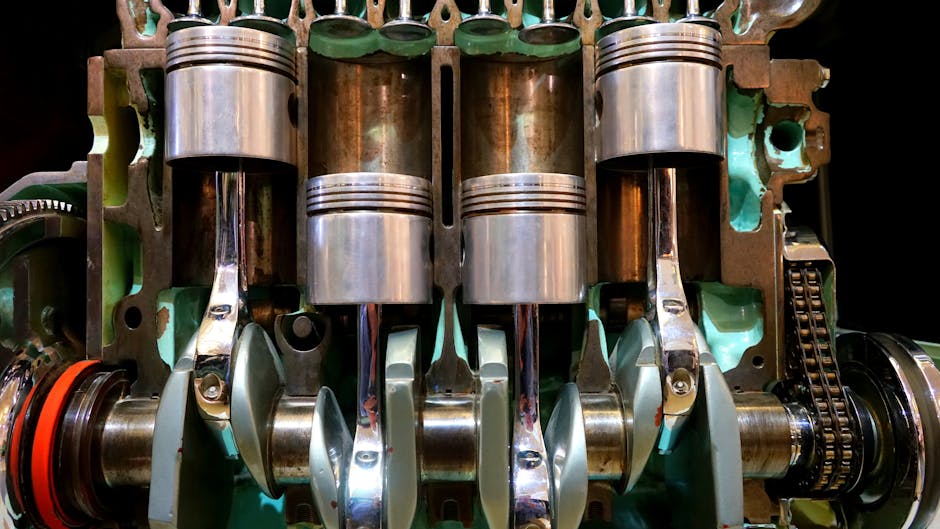
What kills cordless saw motors? Heat from uncontrolled current spikes.
When a blade bites into wet lumber or dense engineered beams, a lesser saw bogs down. The motor compensates by drawing excessive current. That spike overheats windings and damages circuit boards. The Milwaukee M18 Fuel rear handle saw addresses this through its electronic intelligence module, a feature that monitors and governs current flow, throttling back before heat accumulates. Milwaukee positions this as a core differentiator. The practical long-term benefit depends on whether the module performs under sustained jobsite abuse rather than controlled demonstrations.
When comparing corded vs cordless saws on torque and durability, thermal management matters more than peak numbers. Corded saws draw unlimited current from a wall outlet, so they power through binds mechanically. Cordless saws must manage a finite battery output intelligently. Milwaukee pairs its Powerstate brushless motor with the intelligence module to maintain blade speed, aiming to prevent the current spikes that cause thermal degradation in cheaper cordless tools.
The magnesium shoe does more than survive drops. Over twenty years of jobsite abuse, a stamped steel base gradually bends enough to misalign the blade by fractions of an inch.
A warped shoe throws the blade out of parallel with the fence. Every subsequent cut binds, overheats the blade, and transfers stress back into the motor bearings. The magnesium shoe on the M18 Fuel holds its geometry, keeping the entire powertrain under less stress and extending bearing life.
Milwaukee also offers a One-Key version with Bluetooth tool tracking, remote lock-out, and inventory management. In 2025, Milwaukee released an upgraded One-Key version of this rear-handle saw, positioning it as the lightest and most powerful model in the M18 rear-handle lineup. From a longevity standpoint, anti-theft and anti-misuse features are survival mechanisms. A stolen or misused tool has zero lifespan. The Bluetooth module is a sealed component adding one marginal failure point, but the ability to remotely disable a stolen saw or prevent unauthorized use on a busy jobsite addresses one of the most common reasons these tools leave service. For a two-decade ownership window, that tradeoff favors One-Key.
Component Failure: Trigger Switches and Motor Brushes
Even the most durable cordless circular saw will eventually suffer a component failure. The key is identifying which parts fail and how easily you can replace them.
Trigger Switches
The most common failure point is also the cheapest to fix. Every trigger pull creates a small electrical arc across internal contacts, and over thousands of cuts those contacts slowly burn away. Comprehensive circular saw repair guides routinely identify switches as the primary electrical culprit. The fix is straightforward: with basic Torx bits and an instructional video for replacing the trigger switch, anyone can source the exact OEM part for a fraction of the tool's replacement cost.
Brushless Motor Boards
Brushless motors trade cheap, swappable carbon brushes for a sealed circuit board that is harder to service. A brushed motor fails predictably when carbon brushes wear down, and the fix is a low-cost set swapped in minutes. Brushless motors eliminate that friction entirely, and engineering data on brushless motor longevity confirms the mechanical life of the tool extends significantly. But the ownership tradeoff matters: the circuit board that monitors rotor position is a sealed module no screwdriver can open.
For a two-decade ownership window, protecting electronics replaces replacing brushes. Jobsite moisture and condensation corrode sensor contacts over time, and board-level failures push owners toward professional service or full tool replacement rather than a weekend bench repair. The BIFL economics still hold because these failures are rare compared to switch wear, but the failure mode is categorically different.
The Real Longevity Metric: Battery Platform Maturity

A brushless motor can outlast several battery generations, but a lithium-ion cell certainly will not. Therefore, the true metric for cordless longevity is platform maturity. A cordless tool can only be considered Buy It For Life if its underlying battery platform has remained backward compatible for at least fifteen years.
When evaluating 18V vs 20V battery compatibility long term, three heavy-duty platforms dominate the professional market:
Milwaukee M18: Launched in 2008, the Milwaukee M18 battery compatibility track record is exceptional. A modern M18 Fuel circular saw is fully compatible with a battery pack manufactured over a decade ago. Milwaukee continuously updates battery cell technology, pushing massive power with their High Output line, while maintaining the exact same physical battery interface. Milwaukee achieves this by using intelligent circuitry within the battery itself, communicating with the tool to optimize power delivery and prevent overheating.
DeWalt 20V Max: DeWalt introduced the 20V Max line in 2011. While they famously abandoned their older 18V XRP line, the 20V Max ecosystem has shown immense stability. Their current DeWalt 20V Max batteries power everything from standard circular saws to their heavy-duty table saws.
Makita LXT: Introduced in 2005, the Makita LXT 18V ecosystem is the oldest continuously supported platform of the major three. Twenty years later, Makita still releases flagship tools that operate on the original LXT battery design.
All three brands have maintained backward compatibility within their flagship lines, ensuring continued support for buyers.
Milwaukee vs DeWalt vs Makita: 20 Year Survival Outlook
Current parts availability tells you what you can fix today. It does not predict whether the platform will still exist in 2045. The leading indicator of future orphaning is the ratio of new flagship tool releases on each manufacturer's legacy platform versus their newer, higher-voltage system. When the release ratio shifts, the sunset has already begun. If eight of ten new flagship tools still launch on the legacy platform, commitment is strong. When that ratio drops below half, the platform is being sunset.
Three signals reveal where each platform is headed:
- New-tool release ratio on the legacy platform versus the newer platform
- Service documentation depth, including firmware notes and downloadable repair manuals
- Third-party ecosystem vibrancy, from aftermarket batteries to independent repair shops
| Brand | Legacy Platform | Newer Platform | Release Ratio Signal | Orphaning Risk |
|---|---|---|---|---|
| Milwaukee M18 | M18 (2008) | No successor | M18 still dominant | Low |
| DeWalt 20V Max | 20V Max (2011) | 60V FlexVolt | Split investment | Moderate |
| Makita LXT | LXT (2005) | 40V XGT | Shifting toward XGT | Moderate |
Milwaukee M18 Fuel
Milwaukee earns the lowest orphaning risk through measurable signals rather than marketing claims. The company publishes detailed service parts diagrams for discontinued tools years after retirement, and OEM replacement components typically remain available through online retailers years after a tool has been discontinued. The M18 platform still receives the majority of Milwaukee's new flagship cordless releases, which means engineering resources and firmware updates continue flowing to existing tools. Milwaukee has also not introduced a successor platform for its core 18V line, so the release ratio signal points firmly toward continued support.
DeWalt 20V Max
The FlexVolt question is the largest risk factor for 20V Max longevity. DeWalt has directed increasing engineering and marketing emphasis toward the 60V FlexVolt line. FlexVolt batteries are backward compatible with 20V Max tools, but the split investment signals where DeWalt sees its future. The release ratio between the two platforms has narrowed over recent product cycles. DeWalt has maintained compatibility so far, but the abandoned 18V XRP precedent means buyers committing to 20V Max for twenty years should watch whether new flagship announcements continue arriving on 20V or migrate to FlexVolt.
Makita LXT
Makita's LXT platform holds the longest support record, but XGT release cadence is the metric that matters. Each year, a growing share of Makita's flagship announcements lands on the 40V XGT line rather than LXT. The company publicly commits to continued LXT support, and twenty years of backward compatibility is genuinely impressive. But the release ratio is the honest predictor. Buyers betting on LXT through 2045 should track how many new flagship tools Makita launches on LXT versus XGT each year, because that ratio reveals where engineering investment is actually flowing.
How to Ensure Your Cordless Saw Lasts Decades
The economic case for treating a premium cordless saw as BIFL only works if you are willing to replace a worn trigger switch for a fraction of the tool's cost instead of buying a whole new unit. Every maintenance action below maps directly to a failure mode identified earlier in this analysis, making the upkeep a targeted defense rather than a generic checklist.
Trigger switch. As covered above, internal contacts burn away slowly through electrical arcing. When the saw starts cutting out mid-pull or refuses to start, the fix is an OEM replacement, typically under thirty dollars, plus a Torx bit set. Keep a spare on the shelf if the tool earns its keep daily.
Motor bearing. Fine gypsum dust from drywall cuts and silica dust from concrete work get past the seals and eventually seize the front bearing. A replacement is an inexpensive part, often under twenty dollars. Cleaning the motor vents weekly with compressed air pushes that failure from year three to year ten or beyond, because packed sawdust acts as insulation and a hot motor dies young.
Battery storage. This is where most owners sabotage their own investment. Lithium-ion cells degrade faster at temperature extremes, a chemistry reality that NFPA safety guidance reinforces when warning about thermal runaway and fire risk. For tradespeople who keep tools in truck beds through winter, that same temperature stress can accelerate capacity loss in packs stored at full charge in freezing conditions. Store packs at roughly half charge, bring them inside when the mercury drops below freezing, and never leave a fully depleted pack sitting unused. Deep discharge triggers chemical changes that no smart circuitry can undo.
Circuit board. The brushless motor's integrated circuit board, mentioned earlier as the component that monitors rotor position, needs the same basic protection. A dry tool stored indoors avoids the condensation cycle that corrodes sensor contacts. If the saw gets soaked on site, let it dry completely before charging or running it.
Final Verdict: Are Cordless Saws Buy It For Life?
The Milwaukee M18 Fuel circular saw will not outlast a forged steel wrench. It contains microscopic electronics that can short circuit and lithium-ion cells that will eventually lose their capacity. But it is the strongest BIFL candidate among cordless circular saws for a twenty-year investment horizon.
It earns functional BIFL status because the underlying mechanical architecture is exceptionally robust, and the Milwaukee M18 battery platform shows absolutely no signs of obsolescence. When a trigger switch inevitably wears out after years of daily use, you can buy a replacement part online and keep cutting.
If you want a tool you can pass down to your grandchildren without ever picking up a screwdriver, buy a high-quality hand saw. But if you want professional-grade cutting power that remains economically serviceable for the next 20 years, investing heavily in the Milwaukee M18 Fuel ecosystem is the smartest, most sustainable move you can make.
Stay in the loop.
Get the latest posts and exclusive content delivered to your inbox.
Join 25 readers. No spam. Unsubscribe in one click, anytime.
About the author
Reggie Calloway
Heritage and Craft Editor
Reggie writes about the makers behind lifetime gear, from third-generation tanneries to family-owned foundries. A former magazine editor, he profiles the brands, materials, and craftsmanship that justify keeping a tool or a jacket for the next generation.
Related Posts
Buy It for Life Scissors Ranked by Pivot and Steel
Buy it for life scissors ranked by pivot serviceability and sharpenability, plus why induction-hardened edges can turn tough shears into consumables.

The Best Utility Knife Is Not the Week-One Winner
The best utility knife for a decade of work is not the week-one winner. We re-rank 9 tested knives by failing parts and 10-year blade cost.

The Best Tool Belt Is the One That Fails Last
The best tool belt is the one that fails last. We rank leather and nylon rigs by the parts that break first, with cost-per-year math by trade.