Most Durable Work Pants Ranked by How They Fail
We rank the most durable work pants, bibs, and jackets by seams, hardware, and repair costs, not brand hype, so you can pick gear that survives a decade.
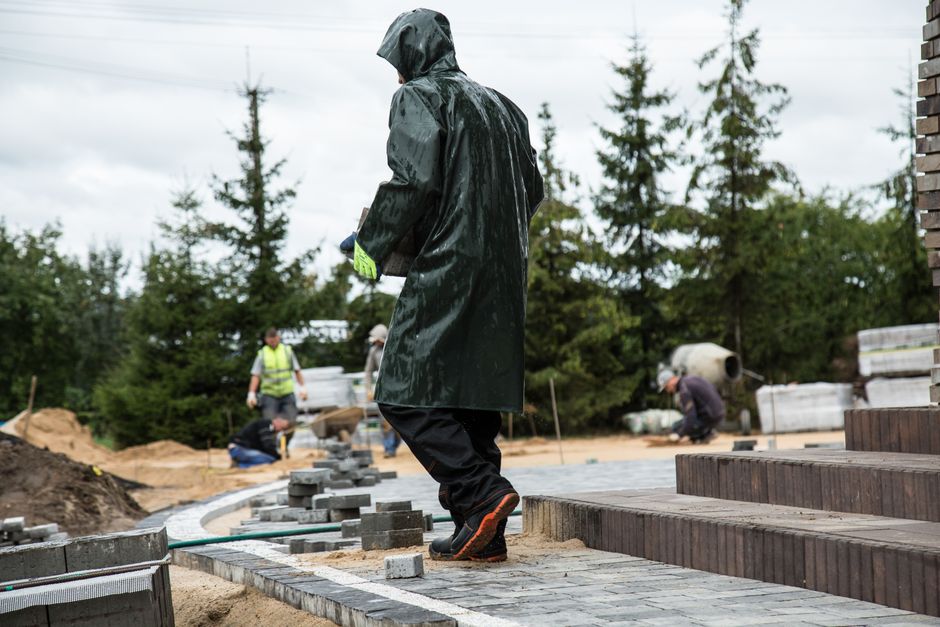
The most durable work pants are not a brand, and they are almost never the pair that feels best out of the package. Jobsite workwear dies in about four places: the crotch and inseam seams, the knee and seat fabric, the fly hardware, and the pocket bags. Which month or year that death arrives is decided by construction details you can check with your hands in a store aisle, namely stitch line count, bartack placement, canvas weight, and zipper metallurgy. Brand reputation predicts surprisingly little, because the same label runs a triple-needle felled crotch on one product line and a single-needle chain stitch on another. So this guide ranks pants, bibs, and jackets by how they actually fail, prices the repair paths, and runs cost-per-wear math across three price tiers. The goal is work pants that last a decade, plus a repeatable method for spotting them.
Stay in the loop.
Get the latest posts and exclusive content delivered to your inbox.
Join 36 readers. No spam. Unsubscribe in one click, anytime.
How Workwear Actually Dies on the Jobsite
Workwear failure is boringly predictable. The same four kill modes account for most retirements, and each one has a specific construction cause.
| Where it dies | What it looks like | What actually decided it |
|---|---|---|
| Crotch and inseam | Stitches burst or unravel while fabric stays intact | Seam type and stitch line count |
| Knee and seat | Fabric thins, then shreds to holes | Fiber, weave, and fabric weight |
| Fly and hardware | Zipper separates, slider slips, button tears free | Zipper maker and metal |
| Pocket bags | Lining blows out, corners wear through the shell | Pocket weave and attachment |
Two implications follow, and both undercut most buying advice. First, out-of-package comfort predicts little, because the soft, broken-in fabrics that feel great in September are often the thin twills that shred in year two. Seasonal reviews score fit and feel on day one, which is the wrong time horizon for a decade purchase. Second, brand reputation is a weak proxy because construction varies by product line, not by logo. Two garments under the same label can differ in seam type, fabric weight, and hardware, so line-level inspection beats brand-level selection. That is why the hunt for the most durable work pants starts at the crotch seam, not at the brand wall.
Seam Engineering Where Pants Fail First

Why work pants rip in the crotch is usually misdiagnosed as a fabric problem. Look closely at a blown pair and the canvas or twill around the tear is often still sound. What failed was the stitching, which makes a crotch blowout a construction failure with a construction fix.
The mechanics come down to stitch type. A chain stitch loops a single thread under itself, which runs fast on industrial machines but means one cut thread can unzip the entire seam. A lockstitch interlocks two threads and stops at the break. Chain stitch construction is cheap to sew, which is why budget pants run it at the highest-stress joint on the garment. A felled seam is stronger still: the fabric edges fold under and enclose themselves, so raw edges cannot fray and the load spreads across the fold. Triple-needle felled construction, three parallel lines across a felled seam, is the gold standard at the crotch fork and inseam. In the single needle vs triple needle comparison, three lines are not a gimmick. They triple the threads that must fail and keep the seam lying flat under abrasion.
Seam strength is not folklore, either. It is a measured property in textile quality control, and ASTM D1683 is the standardized method for pulling sewn seams to failure. Brands specify minimums, and budget lines hit lower ones.
The last detail in this layer is the bartack, those dense little zigzag bars at pocket corners, belt loops, and the crotch fork. A bartack concentrates dozens of stitches into half an inch and stops tears from propagating. Its absence at a stress point is a reliable discount tell.
Fabric Weight and Abrasion Resistance
Once the seams survive, the fabric becomes the clock. Knee and seat abrasion life is governed mostly by fiber, weave, and weight, and weight is the serviceable proxy you can judge without a lab.
In the duck canvas vs denim comparison, duck wins for work. Duck is a tight plain weave, usually cotton, that resists snagging and abrasion; denim is a softer twill weave that breaks in faster and generally abrades faster where it counts. Poly-cotton twill, the budget standard, is lighter, cooler, and cheaper, and it wears out accordingly. Retailers sort duck canvas by weight, and the workwear-relevant bands are consistent: around 10 oz is light-duty pant or shirt territory, roughly 12 oz is the classic work pant duck, and 15 oz and up is bib and heavy-abrasion country. Carhartt's duck education page is instructive here, because the firm duck behind their flagship pants sits around 12 oz. That is a deliberate compromise, not a maximum.
The compromise matters. Moving from lightweight poly-cotton twill to roughly 12 oz duck can extend knee and seat life substantially, but you pay in stiffness, garment weight, summer heat, and weeks of break-in. Heavyweight canvas work pants punish you up front and repay you later, which is precisely the trade that a comfort-scored seasonal review gets backwards. If your trade runs hot, a summer-weight blend is rational. Just stop calling it a decade garment.
Zipper, Button, and Rivet Metallurgy
Hardware is where cheap pants become disposable. A pair with a dead fly zipper is unwearable no matter how sound the canvas is, and a tailor's zipper swap often costs a meaningful fraction of a new budget pair. Fabric survives; hardware decides the funeral.
Three checks tell you most of it. First, metal zippers, brass in particular, outlast coil zips on heavy garments and can often be revived by swapping the slider instead of the whole tape. YKK's metal zipper line is the workwear default for a reason, and its ubiquity means replacement sliders are easy to source. Read the slider or tape for the maker stamp before you buy. Second, a button fly never needs a zipper swap. Every failure mode it has is fixable with a needle, thread, and five minutes, which is why some decade-chasing buyers deliberately choose button fronts. Third, rivets. Placed at pocket corners and stress points they stop small tears from running. Misplaced, they chew through adjacent fabric or scratch finished surfaces, a real cost in furniture, millwork, and countertop trades.
Pocket Bags and Hidden Stress Points
The details nobody advertises are the ones that separate decade garments from seasonal ones, and pocket bags lead the list. Slide a tape measure, pliers, or a phone into a pocket a few thousand times and the bag either holds or shreds. Cheap pants use a loose, open weave that light pours through. Hold it up to a lamp in the store and you are looking at the future hole. Good ones use a tight twill or the shell fabric itself, bartacked at the mouth corners into the shell rather than perimeter-stitched and forgotten.
Then check what the fittings attach to. A double-front knee does two jobs: it doubles abrasion life at the knee, and it makes the knee rebuildable, because you can stitch a new front over the dead one. A hammer loop bartacked into the waistband seam carries tools for years. One stitched only to the pant shell can tear out its own patch of fabric. The principle is systemic. On a garment engineered for ten years, the shell and its fittings age at similar rates, and every fitting is replaceable without surgery.
Five Picks for the Most Durable Work Pants, Bibs, and Jacket
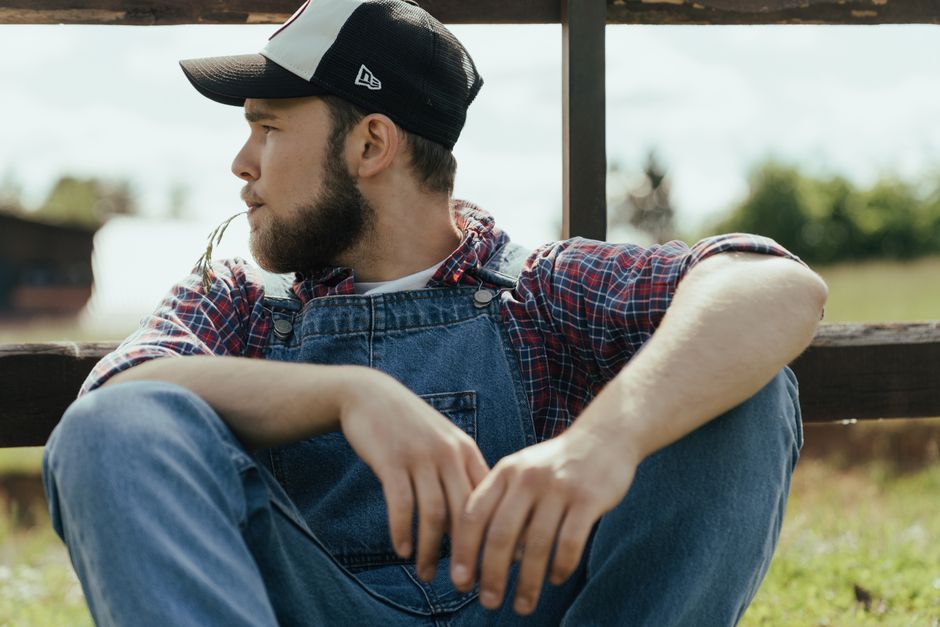
One caveat before the picks, and it doubles as the Carhartt duck vs Dickies answer: those are categories, not verdicts. Dickies twill and Carhartt duck are different construction tiers sold under brands, and both companies run lighter and heavier lines. Apply the rubric to the specific garment.
- Dickies Original 874, the honest budget benchmark. The Original 874 is the most recognizable work pant in America, cut from lighter poly-cotton twill that is comfortable on day one. That comfort is the tell. Under daily site abrasion, the twill and pocket bags typically surrender long before any decade claim, which makes it a smart buy for service and light trades and a consumable for heavy ones.
- Carhartt firm duck double-knee, the decade default. Around 12 oz firm duck, triple-needle felled main seams, bartacked stress points, and a chap-style double front you can re-front when the knees go. Hot, stiff, heavy, and exactly the repairable template the cost math below favors.
- Stan Ray canvas, the value heavyweight.Stan Ray's canvas work pants deliver heavyweight canvas at a sticker that often undercuts the big-label duck. Same rule applies: check stitch lines and bartacks on the specific cut, because value lines trim somewhere.
- Round House duck bibs, the farm pick.Round House's bib overalls are made in the USA from heavy-duty brown duck. Durable work bibs trade waistband wear and layering bulk for strap hardware and knee-pocket stress points, and for farm and cold-weather work that trade usually wins: no waistband folding under coveralls, load carried on the shoulders, room to layer. They are our answer for the best work bibs for farm work, though bibs are not optimal for every trade, since straps and knee pockets become the failure points you must inspect.
- A brass-zip duck chore jacket. Buy the archetype, not the logo: duck or canvas shell, metal zipper or button front, felled side seams, reinforced cuffs. A durable work jacket dies at cuffs, elbows, and the zipper, so the inspection rubric transfers unchanged.
Repair Economics for Pants, Bibs, and Jackets
Workwear repair cost is the number almost nobody prices at checkout, and it is what flips the ranking. The main paths:
- DIY patching. A few dollars in patches, thread, and canvas scrap fixes pocket bags, small holes, and hems. Low skill ceiling, highest return per dollar.
- Professional crotch rebuild.Specialist denim repair services reweave blown crotches on jeans and heavy pants, commonly for tens of dollars, often by mail. Utility duck may not deserve couture darning, but the same service can save a $70 garment for a fraction of replacement.
- Knee re-front. On double-front pants, trace the old front onto duck scrap, cut, and straight-stitch around the perimeter. Near-free once you own a needle or a machine.
- Zipper replacement.Typical zipper replacement costs from tailors commonly land in the tens of dollars and climb with garment complexity. On a $30 pair that is a funeral. On duck, it is maintenance.
The decision rule is simple. Repair when replacement costs at least two to three times the repair bill and the shell fabric is still sound. And before paying anyone, check whether the maker runs a repair program or sells replacement fabric, because a free or cheap factory repair changes the premium-tier math in the next section.
Cost Per Wear Across Three Price Tiers
Cost per wear is the honest scoring system because it charges you for repairs and replacements instead of letting a sticker price lie. The cost per wear work pants calculation is just total spend over a period divided by total wears in that period. EPA's textile waste data is the quiet backdrop: most discarded textiles in the US end up landfilled or incinerated rather than recycled, so the pair that gets repaired twice is also the low-waste pair.
Model it with round, stated assumptions rather than price quotes. Assume a daily-wear tradesperson at roughly 200 wears a year, a 10-year horizon of about 2,000 wears, and repair costs from the ranges above.
| Tier | Sticker | Decade plan | Decade spend | Cost per wear |
|---|---|---|---|---|
| Budget twill | $30 | Replace roughly yearly, no repairs | ~$300 | ~$0.15 |
| Mid-tier duck | $70 | One pair, one crotch rebuild, one knee re-front | ~$135 | ~$0.07 |
| Premium canvas | $120 | One pair, $60 in repairs | ~$180 | ~$0.09 |
On these assumptions, the most durable work pants for your money are mid-tier duck with simple, repairable construction, and that is the core finding. Premium canvas pays back in two situations: when the maker repairs free or cheap, which drops it to roughly $0.06 per wear, and under heavy abrasion that would force a second pair of mid duck around year six, which pushes the mid tier toward $0.09 and erases its lead. The budget tier never wins cost per wear under daily use. It wins cash flow, heat tolerance, and jobs where fabric destruction is guaranteed anyway, and those are legitimate wins.
Stretch any assumption and the ranking holds or widens. The only scenario where budget twill dominates is light duty, where everything survives.
Inspect Before You Buy and Match Gear to Your Trade
You can approximate this entire ranking in about a minute in a store aisle:
- Flip the pants inside out and count stitch lines at the crotch fork. Three felled lines beat one.
- Look for bartacks at pocket corners, belt loops, and the crotch fork.
- Read the zipper. Maker stamp, metal teeth.
- Hold a pocket bag up to light and rub it between your fingers. Tight weave or walk away.
- Check weight on the hang tag, or heft the pair against a known one. Real duck feels like duck.
- Confirm the double front and where the hammer loop attaches.
Then match the garment to the trade. Construction wants double-front duck pants plus a duck chore jacket, because kneeling and sharp edges drive both major kill modes. Landscaping lives on knee and seat abrasion against soil and stone, so mid duck plus re-fronting skills is the play, with a blend reserved for peak summer. Farm work is bibs plus a durable jacket, because layering under straps beats layering under a waistband, and the strap and knee-pocket checks matter more than any logo.
Buy it for life workwear is not a brand list someone hands you. It is a 60-second inspection habit plus a repair plan, and both transfer to every garment you will ever own.
Stay in the loop.
Get the latest posts and exclusive content delivered to your inbox.
Join 36 readers. No spam. Unsubscribe in one click, anytime.
About the author
Naomi Estrada
Value and Comparisons Analyst
Naomi came to durable goods through cost-per-use economics, running the numbers on cheap-versus-quality for a personal-finance site before going all-in on BIFL. She builds the head-to-head comparisons and best-of rankings so readers stop guessing and buy the right product the first time.
Related Posts
Can a Buy It for Life Leather Jacket Cost $200?
A buy it for life leather jacket is judged by tannage, thread, zippers, and lining, not thickness. Use this failure-mode checklist before you buy.

Sashiko Repair Ranked by Cost per Wear for BIFL Apparel
Sashiko repair for buy-it-for-life apparel, ranked by cost per wear. Find which knees, elbows, and stress points repay stitching and when replacing wins.

Buy It for Life Women's Robes Ranked by Construction
Buy it for life women's robes ranked by weave, cuff construction, and belt anchoring, with failure-mode analysis and cost-per-wear math for decade-plus wear.