Can a Buy It for Life Leather Jacket Cost $200?
A buy it for life leather jacket is judged by tannage, thread, zippers, and lining, not thickness. Use this failure-mode checklist before you buy.
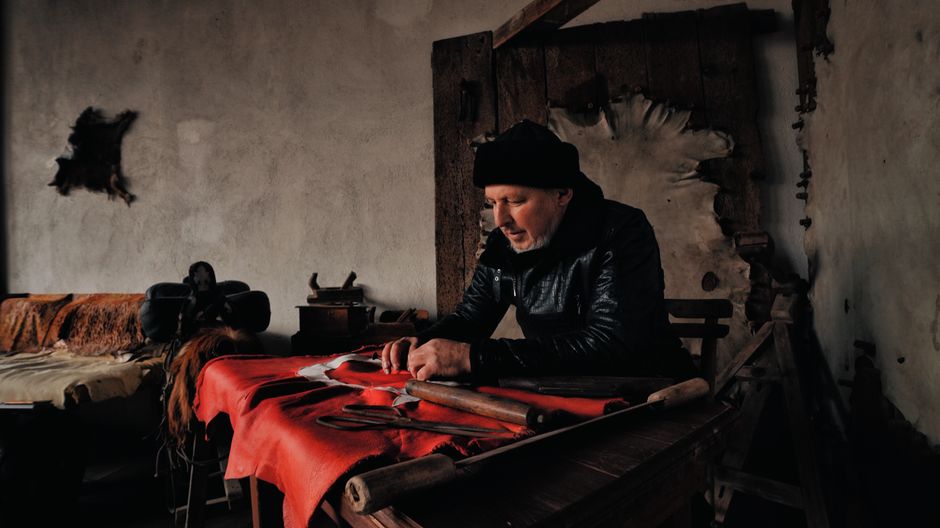
Most leather jacket roundups score two variables, hide thickness and the grade name on the tag, and both predict almost nothing about a ten-year outcome. The hide is usually the last part of a jacket to die. What kills it first is the finish cracking at the elbows, the thread rotting out of the seams, the zipper plating flaking, or the lining shredding, and none of that shows up on a product page. So this article ranks jackets by how they die, converts each failure mode into a check you can run in a store in ten minutes, and closes with cost-per-decade math. A genuine buy it for life leather jacket is a construction claim, not a price point, and sometimes the $200 jacket wins it.
Stay in the loop.
Get the latest posts and exclusive content delivered to your inbox.
Join 36 readers. No spam. Unsubscribe in one click, anytime.
Why Thickness and Grade Labels Predict Almost Nothing
Leather jacket durability is decided downstream of the hide. Finishes crack, thread gives out, plating flakes, linings shred, and the leather panels between them are still structurally fine, which is exactly why thickness is such a weak predictor. A thick horsehide with an unstable pigment coat dies at year four. A thinner aniline cowhide patinas for twenty.
Grade labels are worse than useless as lifespan indicators. Full grain, top grain, genuine, and bonded sound like a quality ladder, but there is no enforcing standard behind any of them. The full grain vs genuine leather jacket hierarchy you see online is a marketing stack, and two jackets both labeled full grain can age completely differently depending on which tannery made the hide and how heavy the finish is. Stridewise demonstrated the gap neatly by setting a Michael Kors jacket that originally retailed around $600 beside a $359 budget jacket: the mall hide was thin and floppy, more likely to tear than to develop character.
The Five Ways a Leather Jacket Dies, Ranked
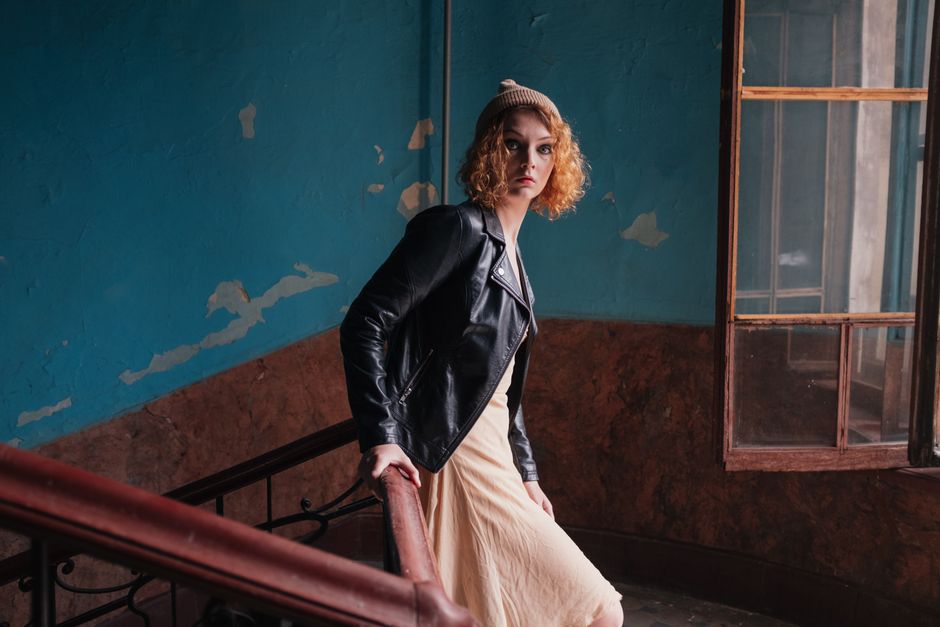
How long do leather jackets last? A jacket that passes the checks below commonly runs 10 to 20 years with one or two repairs. The ones that fail them commonly die inside five. Ranked by how often each mode actually ends jackets:
| Failure mode | Typical onset | What you see | Outcome |
|---|---|---|---|
| Finish cracking or peeling | Years 2 to 5 | Pale crease lines at elbows, pigment flaking at the collar fold | Often terminal |
| Dry rot and stiffening | Years 5 to 15, faster with bad storage | Crackling when folded, board-stiff panels | Terminal |
| Thread and seam failure | Years 4 to 10 | Loose or missing stitches at stress seams, basting pulling free | Repairable if caught |
| Hardware and plating failure | Years 3 to 10 | Plating flaking to grey, sticky or splitting zipper | Repairable if hardware is standard |
| Lining tears and glue breakdown | Years 3 to 7 | Shredding at cuffs, lumps where laminate delaminates | Repairable, a few hundred dollars |
One economic rule sits on top of the table: a failure is only a failure if fixing it costs more than the jacket is worth, which is why the last section does the math instead of assuming.
Finish and Tannage Stability, the First Domino
Heavily pigmented, corrected, and painted hides look flawless on day one, and that is the problem. The pigment and binder sit on top of the leather like paint, and every flex point works like a hinge against a brittle layer. Leather jacket finish cracking at elbows is the most common way mid-priced jackets die, typically in years two through five, after the return window and before the jacket has earned its keep. Minimally finished full-grain hides, aniline and semi-aniline, have almost nothing on top to crack, so wear reads as patina instead of damage.
The chrome tan vs vegetable tan jacket debate matters, just not the way forums frame it. Vegetable tanning generally pairs with lighter finishes and slower, more visible aging, while chrome tanning, common at every price point, carries everything from bare aniline to thick corrected pigment, as vegetable versus chrome tanning explains. Tannage sets the aging character. Finish load sets the failure clock.
Dry rot sounds like the collagen crumbling. It usually is not. What dry rot really is is the oils, finish binders, or a hidden glue layer breaking down under heat, plastic storage, and neglect. The fibers survive while the jacket around them goes stiff. Knowing how to spot dry rot in a leather jacket means folding a panel and listening: healthy leather bends quietly, compromised leather crackles, and creases that stay white are late stage.
Prevention is unglamorous. Condition once every year or two at most, since over-conditioning softens and can stain, store on a wide hanger in a breathable garment bag, and keep the jacket off radiators and out of hot car trunks.
The store test takes sixty seconds. Fold the sleeve at the elbow until the leather touches itself and press. A white line, or pigment on your fingertip when you rub the crease, fails the finish.
Thread, the Failure You Can Spot Before Buying
Ask a tailor what actually ends leather garments and the answer is rarely the leather. Seams give out. Cotton and generic spun thread lose strength to sweat, flex, and UV years before the panels they hold together, while core-spun thread construction, a polyester filament wrapped in spun fiber, holds its strength through all three, as does bonded nylon.
Both checks happen before you buy. Count stitches along an armhole: even, tight spacing with no gaps means someone cared. Then run the pulled-stitch test. Press one visible stitch sideways with a fingernail. It should sit tight. If it shifts, waves, or looks like temporary basting at a stress seam, the thread or the tension will fail early.
Stitch density is also one of the few things a week-one review can legitimately certify. Stridewise counted fewer stitches per inch on the $359 Crush on Retro jacket than on its Japanese benchmark at roughly four times the price, but found solid French seams underneath. That is the right kind of budget trade, fewer stitches on a stronger seam construction, and it is fully visible in the store.
Zippers, Snaps, and Plating Failure
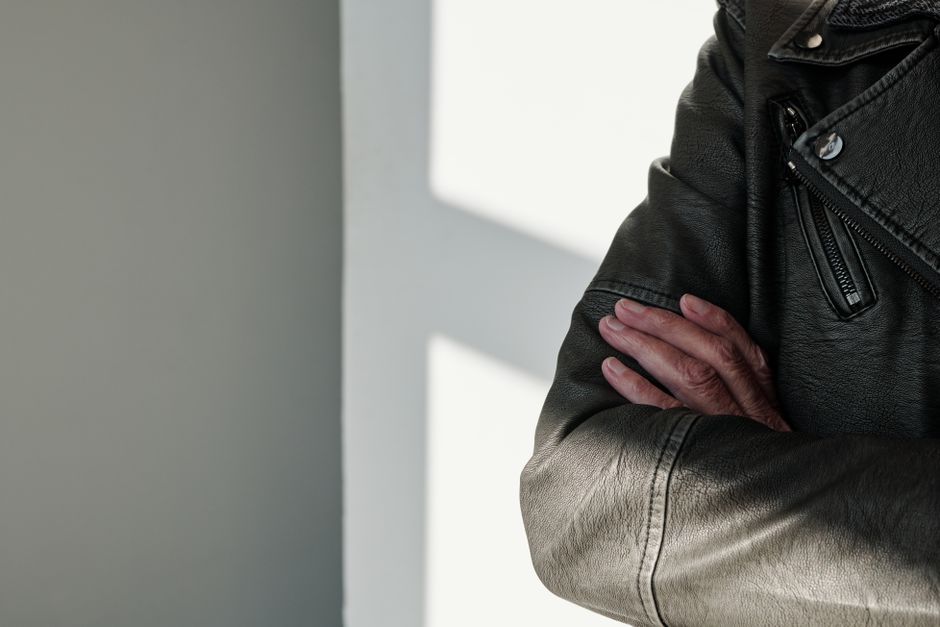
Hardware is where budget jackets quietly die. Zinc alloy snaps and pulls are plated to look like brass or nickel, and plating is a coating, not a material. It flakes to dull grey at high-touch points, and once it goes, the base metal underneath often corrodes.
Zippers are different because they are a system. YKK has been estimated to make roughly half the world's zippers, and the practical consequence is serviceability: sliders, tapes, and stops stay in production, so a YKK zip on a jacket can be matched decades later. Unbranded molded zippers are reverse-engineered mysteries. When the slider dies, the whole tape usually comes out. Check the slider and pull for a stamp, YKK, Opti, Riri, or Lampo. Stridewise found the Crush on Retro's zipper hefty and easier to use than the Japanese repro zipper it copied, though its pulls were a duller alloy.
The cost to replace a zipper on a leather jacket at a repair shop commonly lands in the tens to low hundreds of dollars depending on length and construction, per typical repair pricing. That number is why serviceable hardware matters. A $90 zipper swap on a sound jacket is maintenance. The same swap on a jacket with a dead finish is money into landfill.
Lining and the Hidden Glue Layer
Linings fail where movement concentrates: the armhole, the cuff hem, and the center-back seam where the collar drags. Bemberg and cupro, breathable rayons, slide against skin and age quietly. Cheap acetate feels slick in the store and shreds into grey confetti by year five. The tag should name the fiber. If it does not, assume the cheapest option, which is why the Crush on Retro's unlabeled lining was a genuine unknown in Stridewise's review rather than a marketing footnote.
The hidden killer is the glue layer. Many jackets laminate lining, interlinings, or fusibles to the hide with adhesive, and adhesive has a service life of its own. Delamination shows up as stiff lumps, bubbling panels, and crunching that no amount of conditioning fixes, because the leather was never the problem.
When to reline a leather jacket: when tears spread past the cuffs into the body, or when the lining sags enough to drag seams out of shape, while the hide is still healthy. Full relining at a leather tailor commonly runs a few hundred dollars, so the same repair-versus-replace logic from the zipper section applies.
The Ten Minute Checklist Applied to Five Real Jackets
This leather jacket quality checklist compresses all five failure modes into ten minutes at the rack:
- Fold the elbow and press. A white line or pigment transfer fails the finish.
- Rub the crease with a fingertip. Color on your skin fails the finish.
- Sniff inside. A solvent or plastic smell suggests bonded hide or heavy adhesive.
- Press panels between your fingers. Lumps or crunching means delaminating glue.
- Count stitches on the armhole. Even and tight beats sparse and wavy.
- Push one stitch sideways. It should not shift like basting.
- Look for a brand stamp on the zipper slider.
- Scratch a snap lightly with a nail. Flaking plating is a countdown.
- Read the lining tag. A named fiber beats no name.
- Fold a side panel and listen. Crackling now means dry rot later.
The same routine doubles as a vintage leather jacket inspection, and works better there, because years of evidence are already on display. Applied across price tiers, with typical street-price bands that drift over time:
| Jacket and typical price | Finish risk | Thread | Hardware | Lining | Verdict |
|---|---|---|---|---|---|
| Mall genuine leather, $150 to $400 | Corrected, pigmented hides, high risk | Often adequate cotton blend | Fashion zippers, thin plating | Acetate typical | Landfill by years 6 to 8 |
| Crush on Retro, $359 | Veg-tan horsehide, light finish, promising but unproven | Solid French seams, fewer stitches per inch | Hefty zipper, duller alloy | Unknown fiber | Strong budget candidate |
| The Jacket Maker, roughly $300 to $600 | Varies by hide, often lightly finished | Generally dense, consistent | Typically YKK | Usually named rayon or cupro | Good odds, hide-dependent |
| Schott, often $700 to $900 | Heavier cowhide, moderate finish load | Heavy thread, long production runs | YKK standard, parts available | Named, replaceable | Genuine BIFL with repairs |
| Aero, often $900 to $1,400 | Veg-tan hides from known tanneries | Dense, serviced construction | Standard serviceable hardware | Wool and rayon options | Heirloom tier |
Now the honest part. A week-one review can certify fit, stitching density, hide character, and hardware feel, and Stridewise's Crush on Retro review does exactly that for $359: thick horsehide, sturdy French seams, a hefty zipper. What no week-one review can certify is finish stability, because pigment and binder failure reveals itself in years two through five, not month one. Crush on Retro leather jacket durability is therefore promising rather than proven, and anyone declaring a certified verdict on any young budget hide, chrome or vegetable tanned, is selling certainty they cannot have.
When a Budget Jacket Is a Buy It for Life Leather Jacket
Is a cheap leather jacket worth it long term? Only the math answers that, with assumptions stated. A buy it for life leather jacket, in practice, is any jacket whose probable repairs stay cheaper than its replacement.
The budget path: a $200 jacket with a stable hide, core-spun thread, and a standard zipper, plus one $90 zipper swap at year six, costs $290 for decade one, about $29 a year. The premium path: a $700 jacket with zero repairs costs $70 a year in decade one. If the premium jacket reaches year twenty, its average falls near $35 a year and it wins on longevity. If the budget jacket's finish dies at year four and the hide is corrected, nothing repairs it, and its cost per year actually served balloons past both.
Three decision rules fall out of that arithmetic:
- Buy budget when the hide and thread pass the checks, the hardware is standard, and you accept one repair along the way.
- Buy premium when you will genuinely wear it for twenty years and want known-tannery hides and factory service.
- Repair while the fix costs less than half the price of an equivalent replacement and the hide itself is stable.
And one landfill rule with no exceptions: bonded hide that peels is dead regardless of brand or price, and so is any jacket whose next repair exceeds replacement cost. Between decisions, three habits do most of the preserving. Condition rarely, store breathable, keep it away from heat. The jacket that outlives you is the one whose failure modes you checked before you paid.
Stay in the loop.
Get the latest posts and exclusive content delivered to your inbox.
Join 36 readers. No spam. Unsubscribe in one click, anytime.
About the author
Reggie Calloway
Heritage and Craft Editor
Reggie writes about the makers behind lifetime gear, from third-generation tanneries to family-owned foundries. A former magazine editor, he profiles the brands, materials, and craftsmanship that justify keeping a tool or a jacket for the next generation.
Related Posts

Buy It for Life Women's Robes Ranked by Construction
Buy it for life women's robes ranked by weave, cuff construction, and belt anchoring, with failure-mode analysis and cost-per-wear math for decade-plus wear.
Most Durable Work Pants Ranked by How They Fail
We rank the most durable work pants, bibs, and jackets by seams, hardware, and repair costs, not brand hype, so you can pick gear that survives a decade.

Hemp vs Cotton T-Shirts, Judged Where Tees Actually Die
Hemp vs cotton t-shirts judged at the fiber level, what hemp changes about collar and under-strap failures, and when it earns its price premium.