Milwaukee vs Bosch Cordless Drill, Re-Ranked for Year Ten
Milwaukee vs Bosch cordless drill, re-ranked for year ten on chuck wear, clutch detents, trigger life, and battery parts instead of torque specs.

Every Milwaukee vs Bosch cordless drill shootout you have read scores the first week: peak torque, no-load speed, weight balance, maybe a race through a stack of framing lumber. The numbers are real, and they are also nearly irrelevant to the buyer who owns the tool for a decade, because the motors and gearboxes in both premium lines routinely outlive the ownership period. What actually retires a drill is duller. A chuck that slips. A clutch whose clicks go vague. A trigger that stutters. A third round of battery money. Re-scored on wear-part economics and platform commitment, this matchup stops being a photo finish: Milwaukee M18 Fuel wins a US decade on ecosystem depth, and Bosch's Flexiclick modular chuck is the best anti-wear front end on the market. What follows is the math behind both claims, plus the checks to run before you spend.
Stay in the loop.
Get the latest posts and exclusive content delivered to your inbox.
Join 36 readers. No spam. Unsubscribe in one click, anytime.
What Week-One Reviews Actually Measure
A typical Milwaukee vs Bosch cordless drill comparison scores five things: measured torque (stall or UWO figures), no-load speed, ergonomics, drilling rate in wood and steel, and sometimes chuck runout on a fresh unit. The "most durable cordless drill" label then goes to whichever sample survived the bench gauntlet.
Fresh-tool data is genuinely useful on day one. It stops predicting anything around month thirty, which is roughly when the first wear parts start asking for attention. Every one of those tests runs on a new tool doing short, light-duration work. None of them opens and closes a chuck two thousand times, clicks a clutch through ten thousand detent cycles, actuates a trigger until its contacts pit, or cooks a battery pack through three summers in a hot van. The gap between these two brands on those tests is small enough that you would rarely feel it on a job site. The gap in year eight is enormous, and it lives in parts catalogs.
The Four Wear Points That Retire a Cordless Drill
Ask a repair tech what kills cordless drills and the answer rarely involves the motor. Four components carry nearly all the retirement risk, and each is a consumable in disguise:
- Chuck. Jaws pick up grit, the ratcheting sleeve loses crispness, and the jaw bore slowly bells out. The symptom is a bit that spins under load no matter how hard you crank the sleeve.
- Clutch. The spring-and-detent mechanism behind the torque ring wears until settings drift and clicks feel mushy, which shows up as overdriven screws and inconsistent seating.
- Trigger switch. The switch assembly has a finite actuation life, and the variable-speed electronics can develop dead spots before the mechanical contacts fail outright.
- Gearbox. Cut metal gearing in both premium lines shrugs off fatigue; it usually dies from a drop onto the chuck or sustained hammer-mode misuse, events no bench test replicates.
Field repair guides consistently put switch and chuck faults at the top of common cordless drill repairs, which tracks what technicians report and what our own dead-drill drawer suggests. So, how long do cordless drills last? The chassis and drivetrain of a cared-for pro drill commonly clear a decade. Cordless drill longevity is really a parts-availability question wearing a torque question's clothes.
Chuck Wear and the Flexiclick Exception

Every keyless chuck is a wear item. Premium drills on both sides ship metal ratcheting chucks, and Milwaukee specs an all-metal ratcheting chuck on its M18 Fuel hammer drill kits, which tightens further as the motor torques. That helps grip, but thousands of open-close cycles and jobsite grit still wear jaws and sleeve. Eventually the chuck is done.
How each brand handles "done" is where they diverge.
Milwaukee: the chuck as a service part. On most M18 drills the chuck threads onto the spindle, usually behind a retaining screw, so replacement is an unthread-and-thread-on job with basic hand tools. A cordless drill chuck replacement typically costs meaningfully less than a spare battery pack, and the repair takes a careful half hour. The friction is ordering the right part and waiting on shipping.
Bosch: the Flexiclick system. Flexiclick drills abandon the threaded chuck entirely. The front end locks to a bayonet collar, and a quarter-turn releases the whole chuck subsystem. Bosch sells swappable modules, including a keyless chuck, a right-angle head, an offset adapter, and a locking bit holder, each of which goes on in seconds. When the chuck wears you swap in the spare module and keep working; the worn one becomes a bench project or a cheap replacement. Of all the anti-wear designs in mainstream drills, this is the most direct, because the part that wears is engineered to leave the tool in seconds. If your dominant failure risk is the front end (install-heavy work, constant bit changes, rough handling), Flexiclick alone can carry the buying decision.
Clutch Detents and Trigger Cycle Life
Clutch wear announces itself quietly. Torque setting 8 starts behaving like 11, the ring's clicks lose their snap, and screws that used to seat perfectly now strip or snap. The mechanism is simple, the fix is a parts order, and the part is cheap, but only while it is listed.
Trigger switches follow the same curve with a sharper cliff. One season the variable speed has a dead spot. The next season the drill fires only when you squeeze past half travel. Then it does not fire at all. A cordless drill trigger switch replacement is an inexpensive part and a careful afternoon with a screwdriver, provided the assembly is still orderable in year seven. That last clause is the whole game. Milwaukee M18 vs Bosch 18V reliability gets decided here, at the parts counter, not at the torque bench.
In our experience Milwaukee's parts pipeline keeps diagrams, switches, and clutch components listed for older M18 models for a long time. Bosch runs a genuine spare-parts program, though its US retail depth has historically trailed the European operation. Before buying either brand, pull the exploded diagram for your exact model number and confirm that the chuck, switch, and clutch parts are orderable today. That ten-minute check predicts your ownership experience better than any bench test.
Why Motors and Gearboxes Rarely Decide Anything
Brushless drill durability has become a marketing bullet, and it is true as far as it goes. With no carbon brushes to consume, the motor's remaining failure modes are bearings and windings, and both are rare inside a decade of trade use. Gearboxes in these price classes use cut metal gears, and the realistic killers are a nine-foot drop onto concrete or weeks of hammer-mode work in masonry, not accumulated drilling hours.
Which is exactly why the bench gauntlet misdirects the purchase. Overload stalls and drop towers stress the two components least likely to retire your drill. The tests look dramatic, the surviving tool earns a "durable" badge, and nothing in the process ever touched the parts that will actually fail. Both of these brands clear that bar. Neither deserves to lose a purchase decision over it.
Battery Platform Math Over a Decade
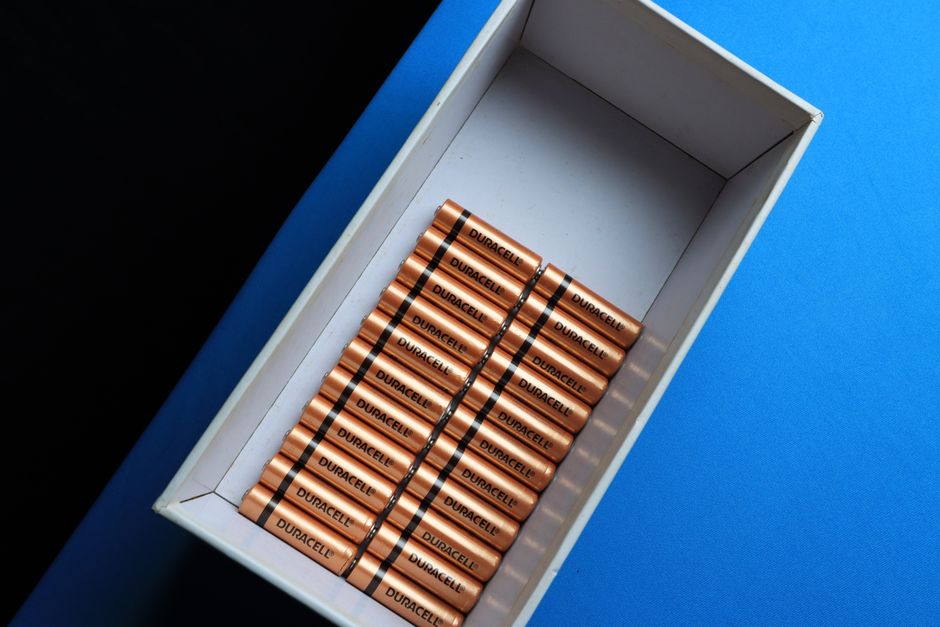
Batteries are the largest decade cost and the strongest lock-in, so the interface commitment matters more than any torque figure.
Milwaukee has held the M18 battery interface unchanged since the platform launched in 2008, per Milwaukee's own platform history. Milwaukee M18 battery compatibility with older tools is the quiet ecosystem win: a pack bought this morning mates with drills built during the last housing crash, and the money you bank in batteries transfers to every future red-tool purchase.
Bosch Professional sells its 18V line on the same promise, that every Professional 18V battery fits every 18V tool, and an independent Bosch 18V compatibility breakdown tracks that claim across the current catalog. Bosch 18V battery backward compatibility, like M18's, means your pack inventory survives tool turnover.
On paper, both platforms pass the ten-year test. The live differences are pack pricing, battery warranty terms, and catalog depth, where Milwaukee's US ecosystem does unglamorous work. What no compatibility promise can fix is chemistry: published battery-aging research shows lithium-ion cells fade through both cycling and simple calendar time, with heat and full-charge storage accelerating the loss.
Plan on two to three battery sets across a decade of regular trade use, fewer if you drill on weekends. That assumption, not the torque chart, is the biggest line in your ownership math.
Warranty, Parts Availability, and the Decade Cost Ledger
Milwaukee's standard US limited warranty on M18 power tools runs five years, per Milwaukee's official warranty page, and the current terms belong on that page rather than in a forum thread. Bosch's base US coverage runs shorter and lengthens when you register the tool with the company. Treat registration as part of the purchase rather than an afterthought, and verify both brands' terms the day you buy, because warranty schedules change.
Network density matters in the year your gearbox finally does eat itself. Milwaukee's service center locator shows how many independent service points stand behind the brand in the US. Bosch services tools through a leaner US footprint, while European readers will find that situation reversed.
Now the math the spec sheets never run. Cordless drill total cost of ownership over ten years, with every figure below a labeled assumption you should replace with your own prices:
| Line item | Working assumption | Decade cost |
|---|---|---|
| Battery sets | two to three packs at $100 to $150 each | $200 to $450 |
| One wear repair | switch or chuck, part only, DIY labor | $25 to $75 |
| Consumables total | $225 to $525 | |
| The drill kit itself | premium 18V kit at purchase | $250 to $330 |
In the middle scenario, batteries plus one repair add up to roughly the price of the drill again. Buy on week-one torque and you have optimized the cheapest, most durable rows in the table while ignoring the two that actually drain your wallet.
Milwaukee vs Bosch Cordless Drill, Scored for Year Ten
The re-ranked card scores what happens after year one, which is the only timeframe that matters to the reader who buys once.
| Dimension | Milwaukee M18 Fuel | Bosch Professional 18V | Edge |
|---|---|---|---|
| Chuck wear economics | threaded service-part chuck | Flexiclick swappable front end | Bosch |
| Clutch and switch parts depth | long-listed, deep US pipeline | genuine program, thinner US retail | Milwaukee |
| Motor and gearbox | brushless, metal gearing | brushless, metal gearing | Tie |
| Battery interface continuity | unchanged since 2008 | all-18V compatibility promise | Tie |
| US warranty length | 5-year standard | shorter base, extended by registration | Milwaukee |
| US service network | dense independent network | leaner footprint | Milwaukee |
| Week-one performance specs | tier-one | tier-one | Tie |
The US decade winner: Milwaukee M18 Fuel. Parts depth, network scale, and warranty length compound over ten years, and the unchanged interface since 2008 means your battery money keeps transferring forward. For a US tradesperson building one ecosystem across drills, saws, and lights, that compounding is the verdict.
When Bosch wins: the front-end buyer. If your work is install-heavy, if you change bits a hundred times a day, or if you have personally murdered three chucks, Flexiclick is the best answer on the market. You are buying the chuck system, and the drill happens to come with it.
Why neither brand loses on specs. Most Milwaukee vs Bosch cordless drill coverage crowns a winner on torque figures. Scored for year ten, the crown splits, because the week-one gap between these two sits inside the noise of job-site conditions.
Before you click buy, three checks:
- Open each brand's official warranty page and confirm the current terms for your exact tool, including battery coverage.
- Pull the exploded parts diagram for your model number and confirm chuck, switch, and clutch parts are orderable in your region.
- Count the 18V tools you will realistically own in five years and buy the ecosystem that lists them.
Year ten gets decided at the parts counter and the battery rack. Buy accordingly.
Stay in the loop.
Get the latest posts and exclusive content delivered to your inbox.
Join 36 readers. No spam. Unsubscribe in one click, anytime.
About the author
Naomi Estrada
Value and Comparisons Analyst
Naomi came to durable goods through cost-per-use economics, running the numbers on cheap-versus-quality for a personal-finance site before going all-in on BIFL. She builds the head-to-head comparisons and best-of rankings so readers stop guessing and buy the right product the first time.
Related Posts

The Best Tool Belt Is the One That Fails Last
The best tool belt is the one that fails last. We rank leather and nylon rigs by the parts that break first, with cost-per-year math by trade.

Craftsman Tool Advent Calendar Graded for 20-Year Ownership
The $65 Craftsman tool advent calendar promises $200 in tools. We grade it in value-per-decade instead, from hex-key steel to V20 battery lock-in.

Airless vs HVLP Paint Sprayers Ranked by 20-Year Survival
Airless vs HVLP paint sprayers re-ranked by pump wear, rebuild kits, and consumables, comparing Wagner Flexio 5000 and Graco TrueCoat 360 cost per decade.