Tecovas Workwear Graded for a Decade of Hard Use
An independent audit of Tecovas workwear for decade survival, grading seams and hardware, re-waxing cost, and repair support against Carhartt and Filson.
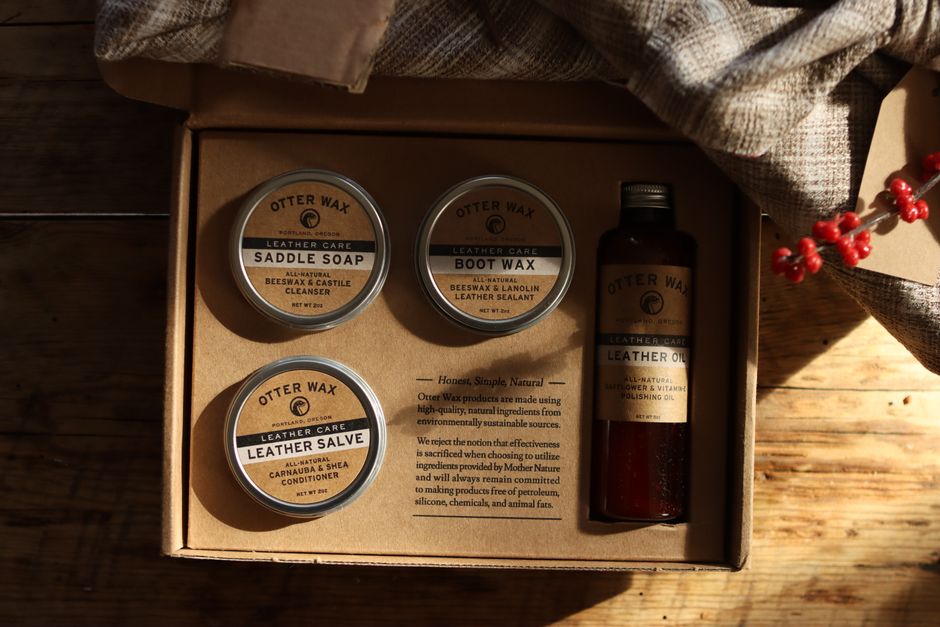
Tecovas workwear keeps getting reviewed as presents. The most visible recent feature, Pro Tool Reviews' "6 Tecovas Workwear Items You Need to Add to Your Christmas List," ran in partnership with the brand itself, which is normal publishing practice and also the reason it cannot settle the question a boot buyer actually asks: will the waxed jacket, the canvas pants, and the chore coat still be in rotation ten years from now? A gift guide grades style and week-one hand feel. Durability is a different contract, and garments do not inherit the reputation Tecovas earned by rebuilding and resoling boots.
Stay in the loop.
Get the latest posts and exclusive content delivered to your inbox.
Join 54 readers. No spam. Unsubscribe in one click, anytime.
So this audit grades Tecovas workwear the way you would grade any waxed canvas or chore coat listing: seams you can count in photos, fabric weight in ounces, hardware you can replace at home, re-waxing costs amortized over ten years, and a repair path verified before checkout. Graded that way, Tecovas apparel lands in a defensible middle tier, above style-first gift picks, below Carhartt on brute value, and below Filson on documented service. The math and the rubric follow, and both are portable to any brand.
Why Week-One Reviews Can't Answer the Tecovas Workwear Question
Every Tecovas workwear writeup we could find, the Pro Tool Reviews feature included, evaluates the line as a wish list. The feature announces the partnership in its opening line, and its conclusions live where sponsorships live: fit, finish, first impressions. That is genuinely useful for deciding whether you like the look of a waxed trucker jacket. It tells you nothing about year four.
The failures that end a workwear garment's life are boring and slow. A pocket corner tears out because nothing locked the seam. A zipper dies because it was the cheapest licensed option. Wax wears off, and unprotected canvas fibers begin abrading against every doorframe and truck bed rail. A button pulls through unbacked fabric. None of that shows up in week one, and all of it is either visible in a listing photo or answerable from a spec sheet.
There is also a credibility-transfer problem specific to this brand. Tecovas boots earned decade status partly because the company stands behind them with rebuild and resole service. A garment with no comparable published service path is a different bet entirely: on the apparel side, you are the repair department, and the brand's role ends at the warranty fine print.
A Five-Point Rubric for Any Workwear Listing

Run this on any waxed canvas or chore coat listing, Tecovas or otherwise. Good listing photos answer most of it in ten minutes.
| # | Check | What good looks like | Where cheap versions fail |
|---|---|---|---|
| 1 | Stitch density | Roughly 7 to 10 stitches per inch on straight seams, even tension | Loose, wobbly, or skipped stitches visible at zoom |
| 2 | Bartack placement | Dense stitch bars at pocket corners, zipper junctions, belt loops, side seams | Plain straight stitching at every stress point |
| 3 | Fabric weight | Stated ounces, with heavier canvas (roughly 12 oz and up) trading comfort for abrasion resistance | No weight disclosed at all |
| 4 | Hardware | Standard snaps, sewn buttons, name-brand zipper | Proprietary or unmarked closures |
| 5 | Repair path | Published warranty text and repair service | Silence |
A bar tack is a short, dense band of tight stitching that locks a seam against tearing at its endpoint, and its absence at pocket corners is the single most common way a chore coat dies outside any warranty window. The stitches-per-inch workwear quality check takes practice, but zooming a product photo and counting needle penetrations across one inch of seam gets you close enough to separate workwear from costume. Fabric weight is the most honest number on any product page, precisely because it is hard to market: heavyweight canvas lasts longer against abrasion and costs you comfort and months of break-in to get there.
Grading the Tecovas Waxed Jacket, Canvas Pants, and Chore Coat
One honest caveat first: Tecovas publishes specifications on its product pages, and product pages change season to season, so treat this as a grading method rather than a fixed scorecard. The comparison baselines are Filson's oil-finish tin cloth, heavyweight duck cloth backed by decades of care documentation, and Carhartt's roughly 12-ounce firm duck, the value anchor of the entire category.
Waxed jacket
Tecovas vs Filson waxed jacket durability comes down to three checkables: stated canvas weight, seam construction at the collar and cuffs (where waxed jackets flex most), and whether the lining is sewn so it can be re-waxed without soaking it. Filson's advantage is not mystical fabric, it is that the company publishes exactly how to maintain the garment for twenty years. Any Tecovas waxed jacket review should grade against that documentation standard, not against a photo shoot.
Canvas pants
Pants fail at the crotch seam, the pocket bags, and the belt loops, in that order. A Tecovas canvas pants review should start with zoomed photos of the seat seam (felled or double-felled beats single-stitched), bartacks at every pocket corner, and whether the pocket bag fabric matches the shell or is a cheaper lining-grade cloth. This is also where weight matters most: pants take more abrasion than jackets at the same wear rate.
Chore coat
Tecovas chore coat durability lives at the pocket mouths and button anchors. Three patch pockets all hang their load on unbartracked corners, and buttons sewn through a single layer of canvas will pull through years before the canvas wears out. On arrival, tug every pocket corner, run the zipper through its full travel a dozen times, and confirm the bartacks you saw in photos exist on the garment you received.
What a Decade of Re-Waxing Actually Costs

Waxed canvas is a maintenance contract, and the terms are favorable if you keep them. Learning how to re-wax a waxed canvas jacket at home takes one afternoon: warm the garment, work softened wax into the fabric with a cloth, melt it in with gentle heat, and let it cure. Filson's own re-waxing guide walks the full process for its tin cloth, and the technique transfers to any paraffin-waxed canvas.
The economics of waxed canvas jacket re-waxing:
- Wax: a tin of quality wax covers multiple applications, putting the cost on the order of $10 to $20 per refresh
- Labor: about an hour per garment, plus a day of curing
- Frequency: roughly annual under daily wear, every two to three years for weekend rotation
- Care rules: spot clean only, never machine wash, and re-wax patches of visible dryness rather than waiting for the whole garment to gray
A decade of daily-wear maintenance therefore runs very roughly $100 to $200 in wax and ten hours of your time. Brand re-wax services exist (Barbour's mail-in program is the category's reference point), but with two-way shipping they typically cost several times the DIY figure, which is why home waxing is the default plan for anyone doing decade math.
The trap runs the other direction. Re-waxing is cheap; skipping it is expensive. Dry canvas abrades faster, wet-out fabric gains weight and stiffness, and the garment retires years early over a $15 tin. Maintenance is the cheapest durability money in this entire category.
Buttons and Snaps, the Replaceability Audit
Fasteners decide whether a garment is a ten-year object or a five-year object, and this audit is where gift guides never go.
- Sewn buttons are user-replaceable with a needle, waxed thread, and a few cents of parts. Ten minutes of practice makes the repair invisible.
- Industry-standard snaps (the common line sizes used across workwear) can be reset with a hand setter kit that runs about twenty dollars, with replacement snaps costing pennies. The one caution: a mis-struck die can punch through waxed canvas, so practice on scrap first.
- Proprietary or branded hardware is the quiet cost multiplier. If only the maker stocks the closure, a single failed snap creates a permanent dependency on that company's parts department, which is exactly the dependency you accept with a brand that has no published garment repair path.
- Zippers are the real gatekeeper. A standard, name-brand zipper can usually be swapped by a tailor for a modest fee. A dead zipper on a structurally sound jacket is the most common early retirement in the category, which is why identifying the zipper brand from listing photos belongs in your rubric.
Tecovas generally uses conventional buttons and standard hardware across its apparel, which is to its credit: the line's fasteners read as replaceable rather than proprietary. Verify per garment, because "generally" is not a warranty.
Does Tecovas Repair Jackets Like It Rebuilds Boots?
This is the audit's open question, and it deserves a straight answer. Tecovas's service reputation rests on its boot program, where rebuild and resole work makes the footwear a genuine decade proposition. For garments, we could not verify a comparable published repair program as of this audit. That may mean repair help exists quietly through customer service, or it may mean nothing exists. Either way, the buyer's move is the same, and it takes one email before checkout:
- Do you repair garments after the return window closes?
- What does a common repair, like a zipper replacement, cost?
- Is re-waxing offered as a paid service, and at what price?
Get the answers in writing. The contrast class is documented: Filson publishes repair services alongside its care guides, and Carhartt backs its gear with Carhartt's warranty policy covering defects in materials and workmanship. Note the limits of that comparison honestly: defect warranties do not cover wear, which is precisely why replaceable hardware and home maintenance carry so much weight in this analysis. A warranty against defects and a service department are two different durability promises.
Cost Per Wear, Tecovas vs Carhartt vs Filson
The assumptions, stated up front
Every number below is a placeholder for the math, not a price quote: call the Tecovas waxed jacket $250, the Carhartt firm duck jacket $90, and the Filson tin cloth jacket $400. Check current retail and rerun this with real figures; the shape of the conclusion survives reasonable price changes. Waxed garments get re-waxed once a year under daily wear at $15 per refresh, every second year at casual rates. Labor is valued at zero because you do it yourself. The Filson scenario includes one $50 paid repair across twenty years.
What the numbers say
| Scenario | Carhartt | Tecovas | Filson |
|---|---|---|---|
| Daily hard wear, 150 wears/year, 10 years | $180 total (one replacement), $0.12/wear | $400 ($250 + wax), $0.27/wear | $750 over 20 years, $0.25/wear |
| Weekend casual, 40 wears/year, 10 years | $90, $0.23/wear | $325, $0.81/wear | $475, $1.19/wear |
Three findings fall out, and they reorder the sticker-price hierarchy that gift guides imply:
- Under heavy wear, cheap and tough wins. A Carhartt duck jacket replaced once mid-decade still beats the waxed competition on value per wear by a wide margin.
- Under casual wear, the math stops deciding. At forty wears a year, everything costs real money per wear, and style plus service support should drive the choice, not a spreadsheet.
- On the longest horizons, service wins, with one wrinkle. Filson's documented repair record justifies its price only if you actually keep the jacket two decades. Here is the wrinkle: a Tecovas jacket that survives twenty years of home care lands near $0.18 per wear on the same assumptions, undercutting Filson. That is the bet, not a fact. The price of the bet is the service gap, and that risk premium is what Filson's premium actually buys.
Cost per wear workwear math, done with stated assumptions, is the only comparison that respects how long these garments actually live.
Verdict and a Ten-Minute Pre-Purchase Checklist
Is Tecovas workwear worth it long term? Tiered, honestly:
- Buy if you like the western cut, your wear is light to moderate, and you will do the maintenance yourself. Construction standards across the line appear genuinely serviceable.
- Buy with conditions if this is daily-wear gear: confirm garment service options in writing before ordering, and accept that home maintenance is the permanent plan.
- Skip for hard trade use, where Carhartt's value per ounce and Filson's service record dominate and the style premium buys nothing.
Before you buy any western workwear listing, Tecovas included, spend ten minutes:
- Find the stated fabric weight in ounces. No weight disclosed, walk away.
- Zoom a straight seam and count stitches per inch.
- Find bartacks at pocket corners, zipper junctions, and belt loops.
- Identify the zipper brand from the photos.
- Determine the hardware: sewn buttons and standard snaps, or proprietary parts?
- Read the brand's actual warranty text, not the marketing summary.
- Email customer service the three repair questions above.
- Price the maintenance decade: refreshes times roughly $15, plus an hour each.
- Set your honest wears-per-year and compute cost per wear.
- Decide with the number in front of you.
The gift guides are right about one thing: this stuff photographs beautifully. Whether it lasts a decade comes down to stitching you can count, ounces you can verify, hardware you can replace, and a repair answer you can quote back to the brand. Tecovas passes the construction checks, passes hardware on replaceability, and holds a conditional on service. The rubric, unlike the wish list, will still work on the next brand you consider.
Stay in the loop.
Get the latest posts and exclusive content delivered to your inbox.
Join 54 readers. No spam. Unsubscribe in one click, anytime.
About the author
Naomi Estrada
Value and Comparisons Analyst
Naomi came to durable goods through cost-per-use economics, running the numbers on cheap-versus-quality for a personal-finance site before going all-in on BIFL. She builds the head-to-head comparisons and best-of rankings so readers stop guessing and buy the right product the first time.
Related Posts

Nike ACG Jacket Durability Audit, Can It Last a Decade
A durability audit of the Nike ACG jacket comeback, grading seams, zippers, DWR lifespan, repair options, and cost per wear against repairable shells.

Sashiko Repair Ranked by Cost per Wear for BIFL Apparel
Sashiko repair for buy-it-for-life apparel, ranked by cost per wear. Find which knees, elbows, and stress points repay stitching and when replacing wins.

Buy It for Life Women's Robes Ranked by Construction
Buy it for life women's robes ranked by weave, cuff construction, and belt anchoring, with failure-mode analysis and cost-per-wear math for decade-plus wear.