Buy It for Life Grain Mills Ranked by the Parts That Die
We rank buy it for life grain mills by the parts that die first, from crank bearings to sealed motors, with burr costs and 20-year survival scores.
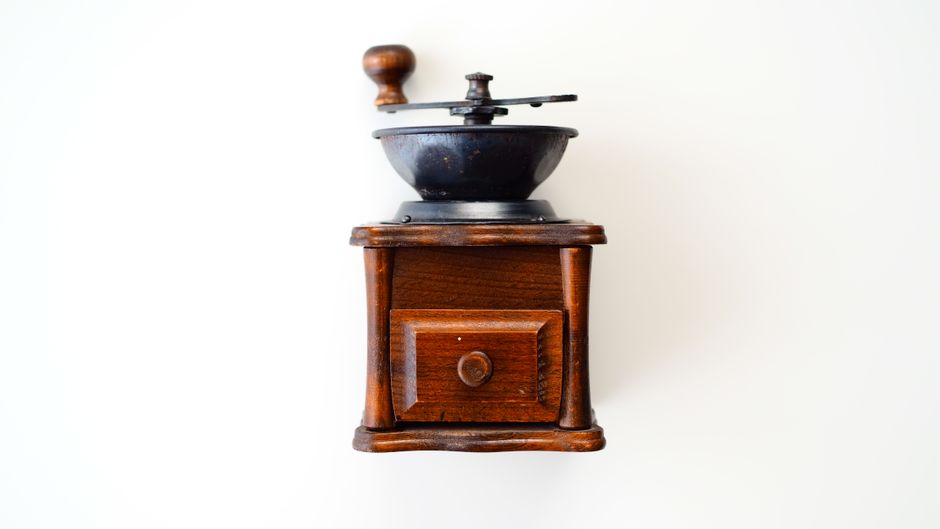
A poster on Reddit's BuyItForLife forum recently sat on 20 pounds of wheat from a coworker and asked for a mill that would serve a family indefinitely. The replies named the usual machines, and nearly every argument was about week one: fineness at the finest setting, cranking effort, flour texture, cleanup. Those are real properties, and they decide nothing a decade out. The buy it for life grain mill question is really a question about which parts you can replace, and answered that way the popular ranking inverts. Serviceable hand-crank steel-burr platforms with replaceable bearings, buyable burr sets, and factory-backed motorization clear a 20-year bar that the internet's favorite sealed electric stone mills plausibly cannot, because an electric mill's electronics, not its stones, set its lifespan.
Stay in the loop.
Get the latest posts and exclusive content delivered to your inbox.
Join 7 readers. No spam. Unsubscribe in one click, anytime.
This guide grades five platforms on their weakest component, prices the consumables, and covers the third path performance reviews skip: motorizing a serviceable hand mill for powered throughput while the crank waits as a power-outage fallback. Warranty terms and prices move, so treat everything here as current at writing and verify before you buy.
What Week-One Grain Mill Reviews Miss
Nearly every grain mill review you can find is a performance chart. Grams per minute, decibels at one meter, how the flour feels rubbed between your fingers. All of it measures the machine you unbox. None of it measures the machine you will own in 2035, because that machine's fate was decided by engineering choices the chart never touches: whether the crank runs on bearings you can buy, whether the burr plates are catalog items, whether the motor is a module or a mystery.
The manual vs electric grain mill debate usually gets settled with throughput and convenience numbers too. Those favor the electrics, fairly. But the dividing line for a decades purchase is which machine still has a parts channel when something wears out, and on that line the manuals run away with it.
Three questions decide a multi-decade purchase, and this article works through them in order. Which components actually fail, and how fast. What the fixes cost, steel versus stone. And whether motorizing a hand-crank platform buys electric convenience without electric fragility.
The Four Parts That End a Mill's Life
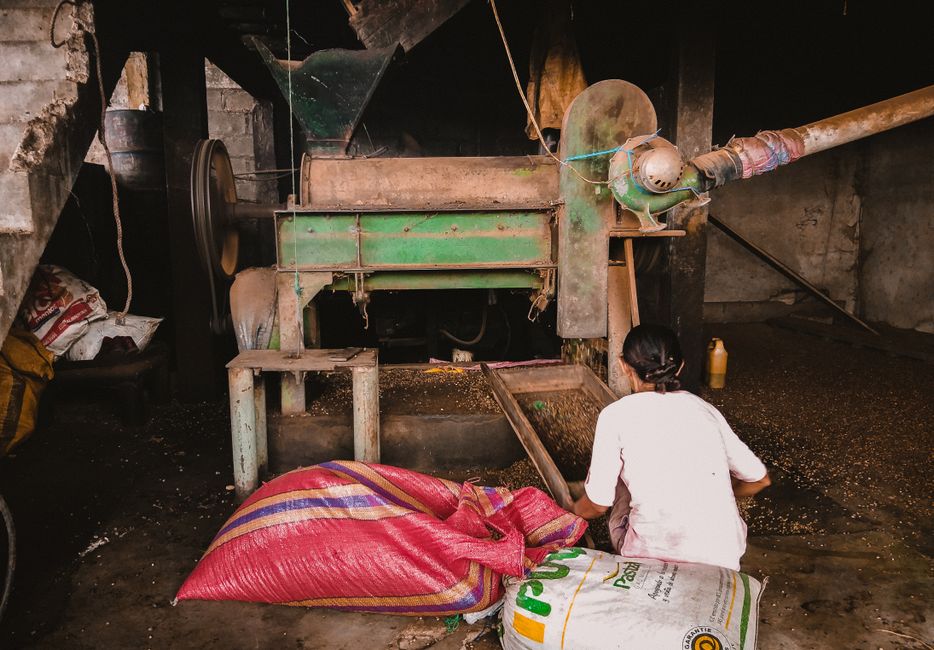
A grain mill is a wear system wrapped around a grinding surface, and the grinding surface is usually the most durable part of the machine. Real lifespan sits in the hardware supporting it. Four components retire more mills than everything else combined.
Crank bearings and bushings. Every cup of flour is minutes of loaded rotation, and a baking household compounds that for years. Quality platforms put ball bearings or hardened bushings at the crank and sell replacements; cheap ones put soft sleeves in there and do not. Replacing grain mill bearings and bushings is the defining maintenance event of a manual mill's second decade, and it is a quick job when the maker sells the part and a scavenger hunt when nobody does.
Burrs. Steel burr plates are consumables and are honest about it. They slowly dull, they chip if a pebble rides in with the wheat, and a tired set gives coarser, warmer flour long before it stops grinding. Stone sets wear far slower but crack when dropped, and not every brand sells them individually. Burr material matters less than whether you can buy the burr, at a known price, a decade from now.
The clamp and auger. The clamp is the most stressed part nobody thinks about. Every crank stroke torques it against the countertop, and a worn clamp table lets the mill walk, wobble, or mar the counter until mounting it becomes a chore you avoid. Augers fatigue where they meet the drive shaft. Both are cheap fixes on platforms that sell them and disqualifying ones on platforms that do not.
The sealed motor and speed controller. This is the kill mode for electrics, and the one no fineness chart grades. A sealed electric grain mill motor failure is user-serviceable only if the importer stocks boards, motors, and windings, which varies by brand and by year. Electric mills share a mortality curve with electronics-bearing countertop appliances generally, the class that appliance lifespan references cover, and the recurring pattern there is retirement by electronic or mechanical failure while the enclosure is still cosmetically fine. When the controller dies out of warranty, grinding stones with decades of surface left ship to recycling in a shell nobody is meant to open.
The 20-Year Survival and Cost-per-Decade Rubric
Which grain mill lasts 20 years is not a brand question. It is a parts-availability question, and you can grade any candidate, including ones this article never names, against five checks:
- Replaceable bearings or bushings, sold under a part number rather than scavenged.
- Buyable burr sets, priced, in stock, and not gated behind a service wait.
- A separable motor, or at minimum an importer that sells motors and controllers.
- A serviceable clamp and mount, because the countertop interface takes daily torque.
- A warranty that covers the likeliest death, which for electrics means the electronics, not the stones.
Then run the money. Cost per decade of owning a grain mill is sticker price, plus consumables, plus probable replacement events, divided by years of service and multiplied by ten. The inputs are estimates and honest ones wiggle, so build scenarios rather than trusting a single line.
An illustrative pair, with round placeholder numbers on purpose: a $500 serviceable manual platform that consumes one $100 burr set and a $15 bearing kit across 20 years costs about $31 a year to own. A $300 sealed electric replaced once at year ten costs $30 a year, except you repurchase during a market you did not choose, and the first unit leaves as e-waste. The two paths can land close together, which is the honest answer. They diverge the moment the sealed machine needs a second replacement, and they diverge in kind, because the serviceable machine's probable decade-two events are line items while the sealed machine's is a whole unit. That asymmetry, not the sticker gap, is why a higher-priced fixable platform can post the lower cost per decade.
Five Buy It for Life Grain Mill Contenders, Graded by Their Weakest Part
The credible buy it for life grain mill field comes down to five machines, from the most durable manual platforms to the sealed electrics the internet loves. Each grade reflects the weakest part, not the best one.
| Platform | Type | Weakest part | The fix | 20-year verdict |
|---|---|---|---|---|
| Country Living | Manual, steel burrs | Price of admission | Bearings, burrs, and motor kit all sold | Clears the bar |
| Wonder Junior Deluxe | Manual, steel plus stone | Clamp and bushing wear | Deep official parts support | Clears the bar |
| Diamant D525 | Manual, steel burrs | Cost and import friction | Burrs available via importer | Clears the bar |
| KoMo Classic | Electric, stone burrs | Sealed motor and controller | Depends on importer service | Plausible, not guaranteed |
| Mockmill class | Electric, stone burrs | Sealed motor and controller | Parts shop exists, stock varies | Plausible, not guaranteed |
Country Living. The reference standard for the serviceable approach: cast iron body, a heavy flywheel that stores crank energy, standard ball bearings, and steel burr plates sold as ordinary catalog items, backed by a long-advertised lifetime warranty (verify current terms). Its weakest part is honestly the price tag, and the answer to that is the motorization section below.
Wonder Junior Deluxe. The value pick among the serviceable manuals. WonderMill's Wonder Junior pages describe a machine that ships with steel burrs and stone heads both, plus a grain mill repair parts catalog deep enough to rebuild most of what wears. The components that eventually need attention, the drive bushings and the clamp interface, are exactly the ones the maker sells.
Diamant D525. The Danish cast-iron tank, in production for generations, with crushing steel burrs and a crank that doubles as exercise equipment. It clears the bar on construction alone. Its kill mode is economic rather than mechanical: it sits at the top of the price chart, and replacement burrs route through an importer, so patience is practically a listed specification.
KoMo Classic. The Austrian walnut-and-stone mill that wins every kitchen aesthetic award, and a genuinely excellent grinder. Pleasant Hill Grain's KoMo Classic listing reflects how this machine survives in North America, through an importer that has historically provided service and parts. The structural fact stands regardless: the motor is integrated, the warranty runs multi-year rather than lifetime, and the machine's decade-two fate is coupled to its electronics and to the importer's continued support.
Mockmill and the NutriMill class. Compact stone mills on sealed motors, plus impact mills on a different wear model entirely. Mockmill operates a replacement parts shop, which is the fair counterexample to the e-waste story: parts exist, though what is stocked and at what price moves over time. NutriMill publishes parts and warranty documentation for its impact mills, where the milling head, not stones, is the consumable. Across the class the check is the same and model-specific: does the importer sell the motor and the board, today, for your unit?
Head to head, the Country Living versus KoMo Classic durability comparison compresses to one line. The manual machine's likeliest decade-two event is a burr set priced as a consumable. The electric's is an out-of-warranty motor priced as a decision.
Steel Burr vs Stone Burr Replacement Economics
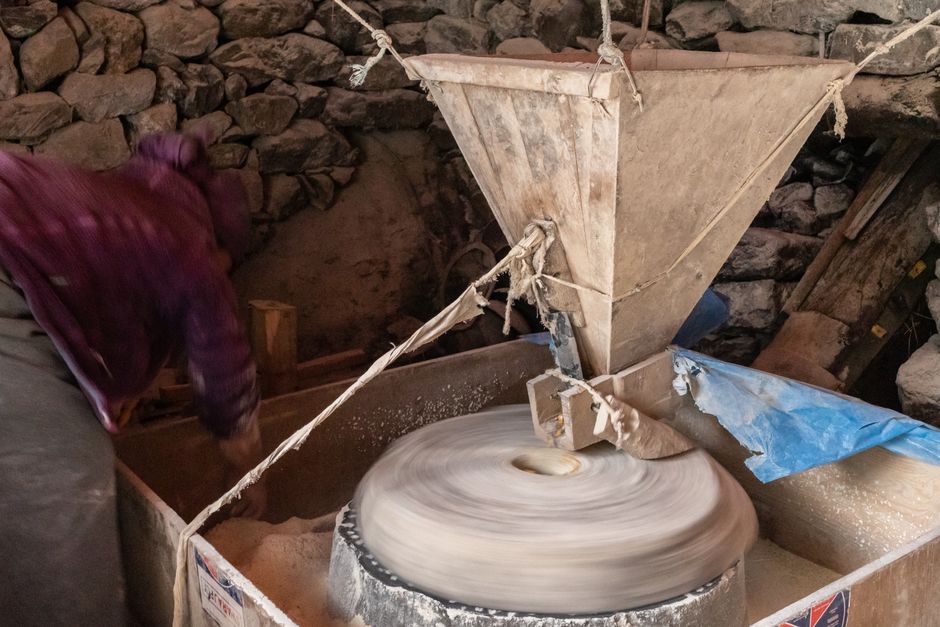
The steel burr vs stone burr grain mill argument usually runs on flour quality, but grain mill burr replacement cost splits the field even more cleanly. Steel sets for the major manual platforms are sold openly, generally priced at a fraction of a complete mill, and swapping them is a bench job with basic hand tools. Stone composite sets wear slower and cost more per event, and their availability depends on the importer: some brands stock them as normal parts, others route you through service channels, and the wait can outlast a sourdough phase.
The classic argument for stone is cooler flour, and it has engineering behind it. Grinding is a mechanical process in which friction becomes heat at the cutting surface, and comminution literature treats thermal management as a real design constraint. How much that matters at household throughput is genuinely debatable, and the gap narrows further when steel runs at conservative motorized speeds. Buy stone because you make fine pastry weekly, not because you believe steel serves hot flour.
For cost per decade, steel usually wins on availability alone. The deeper asymmetry sits one level up: when a sealed electric dies board-first, its stones are condemned with it, and honest long lasting flour mill economics have to price the entire unit as the consumable. That is the difference between replacing a part and replacing a machine.
How to Motorize a Hand Mill Without Killing It
The third path no comparison chart includes: keep the durable manual platform and add power where it bolts on. A belt from a bench-mounted motor to the flywheel, with the crank left in place for the day the power is out. The serviceable manuals were designed for exactly this, which is why their makers sell the parts for it.
Country Living builds a motorization kit around its flywheel, engineered as a package so the driven speed lands inside the maker's own limits. WonderMill's Wonder Junior manual documents the manufacturer-sanctioned way to drive the mill with a drill and pulley. The common thread in grain mill motorization kit RPM guidance is conservatism: hand mills are bearing-and-bushing machines, and overspeeding them overheats flour, accelerates every wear surface in the drivetrain, and risks cracking stone heads if you have them mounted. When you motorize a hand grain mill, stay at or below the maker's stated speed and the machine simply thinks you are a very fit baker.
Belt drive does three things a hack conversion cannot. It slips instead of shocking the burrs when a pebble gets through, which protects the drivetrain. It preserves the hand crank as a mechanical fallback. And it keeps the one sealed, failure-prone component, the motor, outside the machine on the bench, where a wide range of off-the-shelf replacements can stand in. That last point is the thesis of this article in miniature: the part most likely to die is the part you can swap with hardware anyone still sells.
When a Sealed Electric Mill Is Still the Right Pick
None of this makes sealed electrics bad machines. If you bake several times a week, want hands-free operation while you work the dough, value a quiet counter over a repairable drivetrain, and accept a probable replacement event somewhere in the machine's future, a KoMo or a Mockmill is a genuinely pleasant daily tool. Motorizing a hand mill trades some convenience for resilience, and that trade is not for everyone.
Whatever you buy, run the five-point check before checkout: replaceable bearings, buyable burrs, a separable or importable motor, a serviceable clamp, and a warranty that covers the part most likely to die. Pass all five and you own a buy it for life grain mill. Fail the motor and burr checks and you own a very good flour appliance with a retirement date, and now you can at least price that date honestly.
As for the 20 pounds of wheat waiting in the kitchen, any of the manual platforms above turns it into flour on day one, and the same machine will still be turning wheat into flour twenty years from tonight, probably on its second set of burrs and its first set of bearings. That is exactly the point.
Stay in the loop.
Get the latest posts and exclusive content delivered to your inbox.
Join 7 readers. No spam. Unsubscribe in one click, anytime.
About the author
Priya Raman
Repair and Restoration Writer
Priya maintains and restores everything she owns, from cast iron to mechanical watches, and has spent years in the right-to-repair community. She writes about maintenance, warranties, and repairs, the half of buy-it-for-life that keeps good gear out of landfills.
Related Posts

Oil Sprayers Ranked by Why They Stop Misting
Oil sprayers die in the head, not the bottle. Our failure-mode ranking explains why misters stop spraying and which oil sprayer designs last for years.
Coffee Bean Storage Canister Ranked by 10-Year Survival
Coffee bean storage canisters ranked by which mechanism survives ten years of daily use, with cost per year math that asks if the free degassing bag wins.

Super-Automatic Espresso Machine Longevity Splits in Two
Super-automatic espresso machine longevity splits into cartridge-service and sealed designs. Compare both against a Gaggia Classic plus Baratza stack.