Buy It for Life Immersion Blenders Ranked by What Breaks
Buy it for life immersion blenders ranked by the parts that actually die: coupling, shaft bearings, seal, and switch, with the 1980s Braun as benchmark.
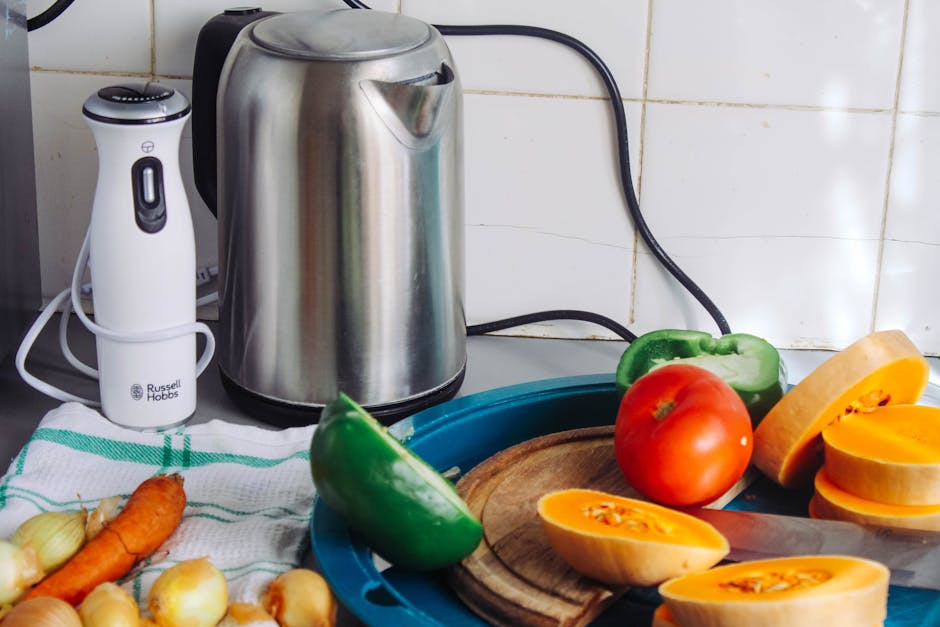
A photo that keeps resurfacing on r/BuyItForLife shows a Braun hand blender bought in the 1980s, still pureeing soup most days, while every newer unit its owner bought died inside two or three years. The caption ends with the question that matters: what did they do back then? The comment threads gesture at old-world quality and stop there, because the real answer is mechanical and almost nobody writes it down.
Stay in the loop.
Get the latest posts and exclusive content delivered to your inbox.
Join 25 readers. No spam. Unsubscribe in one click, anytime.
Immersion blender drivetrain failure, not motor death, is what ends nearly every one of these tools. The part that dies is one of five: the coupling between motor and shaft, the blade bearings inside the wet shaft, the seal protecting them, the power switch, and the cord's strain relief. A genuine buy it for life immersion blender ranking grades those five parts plus the market for replacing them, while wattage, speed counts, and week-one smoothness, the pillars of most reviews, predict almost none of it. Run that parts test on today's field and the usual leaderboard inverts.
What Actually Dies First on an Immersion Blender
Repair threads about dead stick blenders read like a catalog with five entries, and the motor is rarely among them. Nearly every hand blender uses a universal brush motor spinning at high rpm in short bursts, and soup is light duty; the brushes that would eventually wear out need decades of kitchen-length jobs to get there. When a daily driver dies in year three, one of these took it:
- The motor-to-shaft coupling. Removable shafts mesh with a drive spline recessed in the handle, and every gram of torque crosses that joint. Most current units mold the spline from nylon or plain plastic. The teeth round over, skip, then strip, usually after ice, fibrous greens, or a stalled blade spikes the load. The symptom is a shaft that spins freely but slips or squeals under resistance, which repair writeups list among the most common failures.
- The blade bearings. At the wet end, the blade spindle turns in a plain bushing or a sealed ball bearing. The bushing is silent until it isn't.
- The shaft seal. A lip seal just above the blade keeps soup out of the bearing cavity. Heat and detergent stiffen the lip until liquid gets past and washes out the grease, and the bearing below polishes itself to death.
- The switch. A momentary trigger squeezed hundreds of times a week, in steam, with wet hands. Contacts oxidize, return springs tire, and the tool starts running only when squeezed at one particular angle.
- The cord strain relief. The molded boot where the cord enters the housing. Wrap the cord tight around the handle after each use, or hang the blender by its cord, and the same few centimeters of copper flex until strands snap.
Notice what none of those deaths involve: the number on the box. Watts describe power draw, while these five parts die from torque spikes, splash exposure, and flex cycles, none of which scale with wattage in a way that helps a shopper. A 700-watt machine with a plastic spline strips it exactly as fast as a 200-watt one once ice locks the blade. Which is why "why do immersion blenders break after a few years" has a parts answer rather than a brand answer.
Why the 1980s Braun Hand Blender Survives
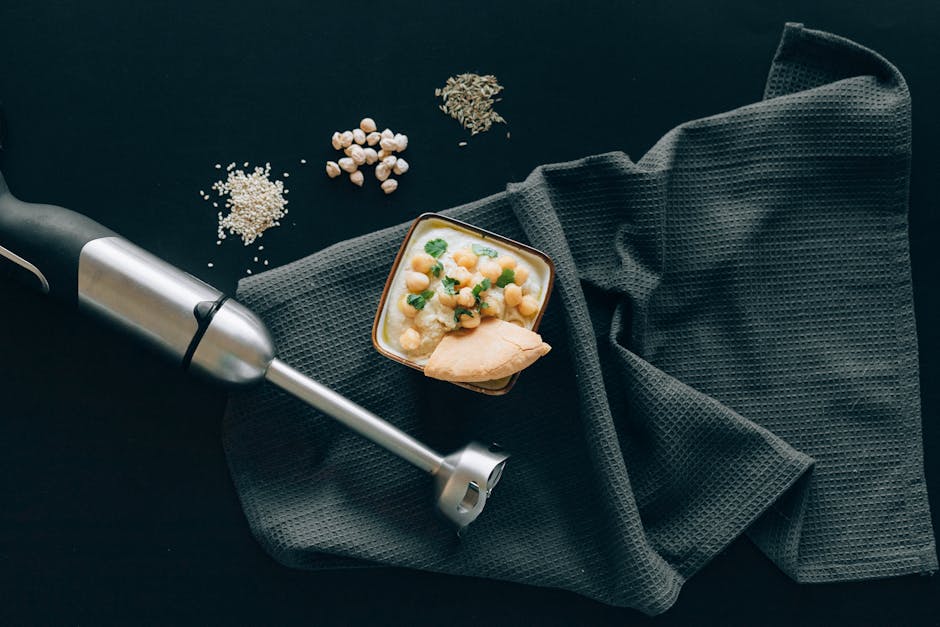
Teardowns of the 1980s Braun hand blender point at three deliberate choices rather than luck. First, torque crosses metal: the drive between handle and shaft runs on metal gearing, so the wear that strips a nylon spline in a season merely polishes steel for decades. Second, the wet end is a consumable: the shaft assembly comes off as a unit, so a worn bearing or seal means a new shaft, not a new appliance. Third, the geometry stayed simple, and in production long enough, that spares never fully left the parts channel. A collector's writeup on the 1980s design walks through that hardware in detail.
Two honesty notes on that record. Braun's current documentation says nothing about a 1980s durability program; the company has changed hands and the paper trail ends. What stands in is thousands of owner reports plus machines still running, which for a forty-year-old appliance is the strongest evidence that exists, since no lab ran a longitudinal study of hand blenders. Community consensus is the dataset, and it is unusually consistent.
That consistency is why the question of whether a vintage Braun hand blender is still worth buying has a mechanical answer rather than a nostalgic one. A thrifted unit's motor has usually already outlived several modern successors. What you are actually shopping for at the counter is the wet end, which is replaceable, and the coupling, which is findable. Price the shaft before you pay for the handle.
The Five-Part Durability Test
You can run the same autopsy prospectively, from a product listing, a manual PDF, or a thrift-store counter, in about five minutes. Grade each part, then check whether its replacement exists.
| Part | Passes | Fails | The 60-second check |
|---|---|---|---|
| Coupling | Metal spline, or plastic with cheap buyable replacements | Buried plastic spline, no parts listing anywhere | Search the exact model number plus "coupler" at a parts retailer |
| Blade bearings | Sealed ball bearing in the shaft | Plain bushing, or manual silence on the subject | Spin the blade on a display unit; grit and drag answer it |
| Shaft seal | Serviceable seal with grease specified | "Sealed for life" wording | Look for a seal or gasket line item in the parts diagram |
| Switch | Sealed paddle with a positive click | Exposed slider, vague action | Squeeze it twenty times in the store |
| Cord strain relief | Long rubber boot with generous flex | Rigid hard-plastic grommet | Flex the cord hard at the housing and watch the exit point |
One nuance keeps the test honest: plastic in the coupling is not an automatic disqualification but a wear part by design, like a brake pad, meant to strip before a jam makes the motor or gearbox pay. The judgment call is whether replacements are cheap and findable in year six, because a maker that stocks splines has decided the tool is serviceable, while a maker that doesn't has decided it is disposable. The metal coupling versus plastic question therefore resolves less to material snobbery than to whether the plastic part is a consumable or a death sentence.
Five Current Models Graded on Drivetrain Survival
The major review outlets grade week-one performance. Wirecutter's immersion blender picks and America's Test Kitchen ratings rank smoothness, speed, and ergonomics, which is precisely the test a brand-new tool passes easily; longevity, when it appears, gets a sentence. Send the same frequently recommended models through the five-part test and the order shuffles toward machines with metal where the torque goes:
| Model and tier | Coupling | Wet end, switch, cord | Parts outlook | 20-year odds |
|---|---|---|---|---|
| Bamix (premium, Swiss) | All-metal drive, widely documented | Interchangeable stainless shafts; sealed switch; substantial cord | Factory repair service plus openly sold shafts | Best in the current field |
| All-Clad stainless (premium) | Metal-heavy housing, verify the spline on your unit | Solid and heavy, conventional switch | Spares scarce through normal channels | Decades-long body, thin parts channel |
| Braun MultiQuick (mid) | Removable shaft, engineered plastic in the joint | Replaceable shaft assembly | Shafts and couplers stocked by parts retailers | Strong, if the shaft is treated as the consumable |
| Breville Control Grip (mid) | Plastic drive gears at the joint | Good switch feel, decent ergonomics | Some spares via independent parts retailers | Coupling is the scheduled wear item |
| Cuisinart Smart Stick (budget) | Plastic coupler | Basic wet end, light cord | Spares rarely stocked | A two-to-four-year tool in daily service, by owner report |
Read those grades for what they are: design-based judgments from construction and parts availability, not decade-long bench results, and makers quietly revise drives between model years. Within that uncertainty, the Bamix vs Braun durability question resolves to drive material plus spares depth. Bamix durability rests on an all-metal-drive design built in Switzerland for decades and a repair ecosystem still running around it, a record that is widely documented rather than lab-verified. Modern Braun leaves plastic in the joint but keeps replacement shafts on shelves. By this rubric the most durable immersion blender sold new today is the Swiss machine, at several times the budget field's price and with fewer attachments than the German one.
Where to Buy an Immersion Blender Replacement Shaft
The parts check takes ten minutes and belongs before purchase, not after failure.
- The maker's own parts store. Search the full model number, not the marketing name. Brands range from genuinely stocked to effectively empty, and that spread is itself the durability signal.
- Independent parts warehouses. eReplacementParts stocks Braun shafts and couplers among its blender listings, and comparable warehouses carry other brands. Two minutes here tells you more about year eight than any spec sheet.
- Generic splines and universal shafts on the large marketplaces, for off-brand and orphaned units. Fit is a lottery, so read the compatibility lists closely.
- The secondary market for vintage machines: donor units at auction, repair shops that part out dead handles, and the warehouses above.
A cheap coupling is fine. A cheap coupling you cannot buy in year six is the whole problem.
Parts availability predicts a ten-plus-year hand blender better than price tier does, and the arithmetic makes it concrete. Using clearly illustrative placeholder prices: a $35 plastic-coupling stick that dies every three years, a rate consistent with common owner reports, costs about $105 and three shopping trips per decade. A $150 metal-drive unit plus one $40 shaft service mid-decade runs $190 across the same window and, by owner report, is frequently still working when it closes. Daily cooks win that trade outright; monthly cooks may not, because a lightly used budget unit dies slowly enough that replacement stays cheaper. The buy it for life immersion blender question settles at the parts counter.
Failure Symptoms and Fixes That Add Years

All five deaths telegraph, which means most owners discard a repairable tool. Learning how to fix a wobbly immersion blender shaft, or any symptom below, is mostly a matter of matching the complaint to the part and spending the window:
| Symptom | Dying part | Fix | Your window |
|---|---|---|---|
| Gritty, crunchy blade rotation | Bearing running on washed-out grease | Replace the shaft assembly, or repack if the design allows; a full disassembly walkthrough shows what comes apart | Often months |
| Visible wobble at the blade | Worn bearing or stretched shaft | Swap the wet shaft before it chews the spline | Weeks to months |
| Shaft spins free, slips or squeals under load | Stripped coupling | New coupler, usually the cheapest part in the tool | Immediately |
| Runs only when squeezed at one angle | Tired switch | Switch replacement, or a careful contact clean | Until it quits |
| Dies when the cord moves | Broken strands at the strain relief | Re-terminate or replace the cord, a standard job in cord and switch repairs | Before it shorts |
The care list, in order of payoff: never run the shaft dry or push ice in one long sustained burst; rest between hot batches, because sustained heat ages the seal and thins the grease; rinse the wet end promptly; hang the tool from a hook rather than its cord, and never wrap the cord tight around the handle; and swap a gritty shaft at the first symptom. That last habit does the most, because a rough bearing is what spikes the torque that strips couplings. The five parts fail as a chain more often than alone.
The Buy It for Life Immersion Blender Verdict
Three buyers, three answers.
- The daily cook should buy the metal drive once. Bamix-class machines are the only current production tools that pass all five checks and sell their wear parts openly.
- The twice-a-week cook gets the practical middle: a modern Braun MultiQuick with a spare shaft ordered on day one, while it is definitely in stock. That is the honest buy it for life hand blender for most kitchens.
- The patient shopper should work the thrift counter. A 1980s Braun that passes inspection beats both on price and ties the Swiss machine on drivetrain.
Before paying for any used unit, run the counter test. Run the motor: a healthy universal motor hums with a faint brush rasp, while grinding means bearings. Grip the shaft at the blade and flex; perceptible play is a worn wet end, fixable only if the shaft is findable. Look into the coupling socket for rounded or chipped teeth, which end the deal unless the part is buyable. Flex the cord hard at the housing, and click through every speed. Counter prices vary widely, but these units commonly change hands for pocket money, and a healthy one outclasses any new budget stick.
So what did Braun do in the 1980s? It put metal where the torque goes, made the wet end a part instead of the whole product, and let the spares outlive the marketing cycle. That is the entire secret, and it is reproducible. Any current blender whose coupling you can buy in year eight answers the Reddit thread on its own, whatever its wattage claims.
Stay in the loop.
Get the latest posts and exclusive content delivered to your inbox.
Join 25 readers. No spam. Unsubscribe in one click, anytime.
About the author
Cal Whitmore
Durability Testing Lead
Cal has spent a decade in product testing, from tool labs to outdoor gear reviews, and treats every claim of a lifetime warranty as a hypothesis to break. He writes about the materials, joinery, and failure modes that actually decide whether gear lasts twenty years or two.
Related Posts
Buy It for Life Grain Mills Ranked by the Parts That Die
We rank buy it for life grain mills by the parts that die first, from crank bearings to sealed motors, with burr costs and 20-year survival scores.
Oil Sprayers Ranked by Why They Stop Misting
Oil sprayers die in the head, not the bottle. Our failure-mode ranking explains why misters stop spraying and which oil sprayer designs last for years.
Coffee Bean Storage Canister Ranked by 10-Year Survival
Coffee bean storage canisters ranked by which mechanism survives ten years of daily use, with cost per year math that asks if the free degassing bag wins.