Coffee Bean Storage Canister Ranked by 10-Year Survival
Coffee bean storage canisters ranked by which mechanism survives ten years of daily use, with cost per year math that asks if the free degassing bag wins.
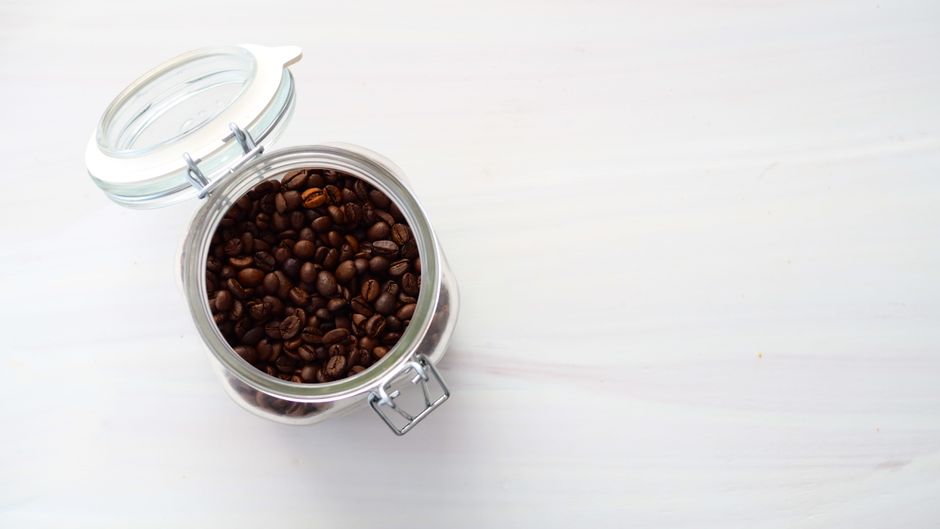
The most overengineered object in your kitchen may be the free bag your beans shipped in. It carries a one-way degassing valve built around the exact chemistry of fresh-roasted coffee, it replaces itself every time you buy beans, and it costs nothing. That is the awkward starting point for any coffee bean storage canister purchase: the chemistry case for a $30-to-$60 canister is weaker than the marketing implies, so the honest questions are which mechanism survives ten years of daily scooping, and what a decade of storage actually costs per year.
Stay in the loop.
Get the latest posts and exclusive content delivered to your inbox.
Join 7 readers. No spam. Unsubscribe in one click, anytime.
The short version, with the receipts below: for a rolling two-to-four-week bean supply, the shipped valve bag protects freshness nearly as well as anything on a store shelf. If you buy a canister anyway, and there are real reasons to, buy it for the mechanism and the workflow, because the simple steel plunger of the Airscape Classic outlasts the Fellow Atmos vacuum pump and the Friis one-way valve tin. Their elastomer moving parts are the first to fail, and that single fact drives the entire 10-year survival ranking.
What Actually Makes Coffee Beans Go Stale
Four vectors age roasted coffee: oxygen, moisture, light, and heat. Oxygen does the headline damage, steadily oxidizing the volatile aromatics and fragile oils that make fresh coffee smell like anything. Moisture hurts mainly through humidity swings that beans absorb and release, light degrades oils photochemically, and heat simply accelerates every reaction above it. Every storage product on the market is some arrangement of barriers against those four.
The wrinkle is that fresh roast also produces gas. Peer-reviewed coffee degassing research shows beans release the bulk of their trapped carbon dioxide in the days after roasting, with the curve flattening over roughly the first two weeks, faster for dark roasts and finer grinds. Seal still-degassing beans in a rigid airtight chamber and that gas has nowhere to go. That is why degassing valves exist at all: internal pressure pushes the valve open from inside so CO2 can escape, while outside air pressure keeps it shut against oxygen ingress. If you have ever wondered do one-way coffee bag valves work, that is how bag valves work, and it is genuinely clever engineering handed to you free with every bag.
The SCA staling literature review frames freshness as a measurable, weeks-scale loss of volatile aromatics rather than a slow fade. So the job of any storage method is defending a two-to-four-week window, not creating one. Hold onto that number, because it is what makes sixty dollars of hardware look expensive.
Coffee Canister Comparison Across Five Mechanisms
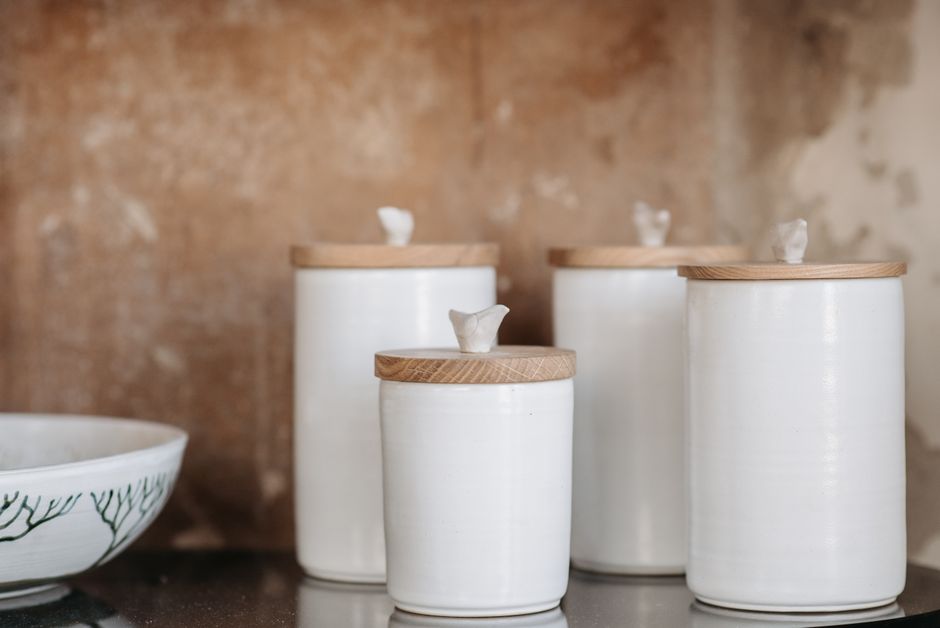
A fair coffee bean storage canister comparison has to include the two options nobody prices, the mason jar and the bag the beans shipped in. Five contenders, from free to sixty dollars:
- Airscape Classic. A plunger lid you press down to shove air out of the chamber, then twist to lock in place.
- Fellow Atmos. A twist-actuated vacuum pump built into the lid, evacuating headspace air with each crank.
- Friis Coffee Vault. A steel tin whose lid carries a one-way valve, the bag's trick rendered in metal.
- Mason jar. The boring baseline, a screw band over a flat seal.
- Shipped degassing bag. Zipper plus valve, engineered for the retail cycle rather than a decade of reuse.
| Method | Mechanism | Main defense | Street price band | Serviceable parts |
|---|---|---|---|---|
| Airscape Classic | Plunger displaces air | Oxygen, light | low $30s | Yes, lid and gasket kits |
| Fellow Atmos | Integrated vacuum pump | Oxygen via vacuum | mid $40s and up | Limited, mostly whole lids |
| Friis Coffee Vault | Tin with one-way valve | CO2 venting, O2 barrier | mid $20s | Yes, valve packs |
| Mason jar | Screw band, flat seal | Basic airtight seal | a few dollars | Trivial, seals cost cents |
| Shipped valve bag | Zipper plus valve | CO2 venting, O2 barrier | free | No, replaced by next bag |
Prices drift, so before redoing the math later in this piece, check the current Atmos on Fellow's store and a typical Airscape Classic retailer listing.
How Each Storage Mechanism Fails Over a Decade
Steel does not fail; elastomer does. In every product here the body is steel or glass and will outlive the purchase, while the rubber, silicone, and polymer parts carry all the mortality.
- Airscape Classic durability comes down to the plunger's gasket pair, which swells with coffee oils, stiffens with age and washing, and eventually stops sealing crisply. That is a gasket problem rather than a canister problem, because Planetary Design sells Airscape replacement parts directly, so a midlife rebuild is a low-teens part, not a new unit.
- Fellow Atmos wear concentrates in the lid: the silicone face seal and the o-rings under the pump button see every evacuation cycle. When pull weakens or the button creeps upward between uses, the fix trends toward a whole lid, and the replacement-parts shelf is thinner than Airscape's.
- The Friis valve has the best chemistry of the three and the worst consumable economics, because coffee oils eventually clog the membrane. Friis replacement valve packs are cheap, so treat valves like filters, a recurring small bill.
- The shipped bag's zipper track degrades within months of daily use and its valve clogs too, but its replacement cost is zero because every new bag of beans ships a fresh one. Its durability is terrible and its durability is also irrelevant.
Enamel chips and brushed-steel scratches stay cosmetic; they never touch a seal. Raw mechanism survivability over ten years of daily use, best to worst: mason jar, Airscape Classic, Friis tin, Atmos lid, the free bag. In the Airscape Classic vs Fellow Atmos matchup specifically, the plunger wins not by being better engineered but by failing into a $12 part.
The Vacuum Problem With Very Fresh Beans
A vacuum coffee canister has one awkward interaction with the beans it is sold to protect. Beans roasted within the past week are still emitting carbon dioxide, and an evacuated chamber is sealed. Gas accumulates, pressure rises, and the vacuum decays or the lid physically lifts until it finds equilibrium. Enough Atmos owners reporting popped lids after filling with very fresh beans have posted about it that it reads as a design interaction rather than a defect, and the fix in every thread is identical: wait out the degassing peak or accept re-pumping every few days.
Valve and plunger designs pass the same gas out, which is why the humble bag never pops. Two takeaways follow. First, vacuum-sealed lids and still-degassing beans genuinely work against each other, so if you buy an Atmos, either rest the beans a week first or plan on re-evacuating. Second, the vacuum itself is chemistry-neutral for flavor. It trims initial headspace oxygen, and the beans then partially refill that space with CO2, which is comparatively inert. The label says vacuum; the benefit is closer to an especially good seal.
What Bean Storage Really Costs per Year
To make coffee storage cost per year concrete, here are the stated assumptions, using street prices at the time of writing: call the Airscape Classic about $32, the Atmos about $45, the Friis vault about $25, and a mason jar about $2. Assume one Airscape lid or gasket rebuild around year six for $12, a few dollars of Friis valves per year, one full Atmos replacement in the pessimistic case because the pump assembly is not field-serviceable, and a zero-dollar budget for the shipped bag.
| Method | Upfront | Parts over 10 years | 10-year total | Cost per year |
|---|---|---|---|---|
| Shipped valve bag | $0 | $0 | $0 | $0 |
| Mason jar | $2 | ~$1 in seals | ~$3 | ~$0.30 |
| Airscape Classic | $32 | one $12 rebuild | ~$44 | ~$4.40 |
| Friis valve tin | $25 | ~$40 in valves | ~$65 | ~$6.50 |
| Fellow Atmos | $45 | up to $45, one replacement | up to $90 | up to $9 |
The band is the story. Ten years of storage can cost effectively nothing with the shipped bag, a few dollars per year for a valve tin fed fresh valves, and up to roughly double the purchase price if a non-serviceable vacuum canister needs one full replacement partway through. Swap in your own prices; the shape of the ranking barely moves.
Your buying pattern changes the value side, not the cost side. A weekly fresh buyer empties each bag before staling matters, so hardware saves almost nothing. A monthly bulk buyer who cracks a one-kilogram bag on day one gets real protection from any decent canister. A freezer buyer, covered next, barely needs one at all.
When a Coffee Bean Storage Canister Earns Its Price
The default case first, because it is most readers. If you buy 250-to-340 gram bags weekly or biweekly and finish them inside two or three weeks, the shipped bag defends the coffee bean freshness window about as well as a canister does. On the question of how long roasted beans stay fresh once opened, the mainstream answer lands in that same two-to-four-week range after the roast date, meaning the window, not the vessel, is the constraint. For you, a canister is a workflow object, and that is a legitimate reason to own a nice one, bought with open eyes.
Cases where the hardware genuinely pays:
- Bulk buys. One-kilogram bags with weak zippers, split into a working canister plus a sealed remainder.
- Two-bean households. Decaf and regular side by side, both opened daily, both needing one-handed access mid-brew.
- Counter ritual. A daily pourover routine where the canister is part of the ceremony, because consistency you enjoy is consistency you keep.
So, is a coffee canister worth it? Usually not for chemistry, sometimes yes for workflow, and there is no shame in admitting that looks count.
Freezing Beans Changes the Whole Question
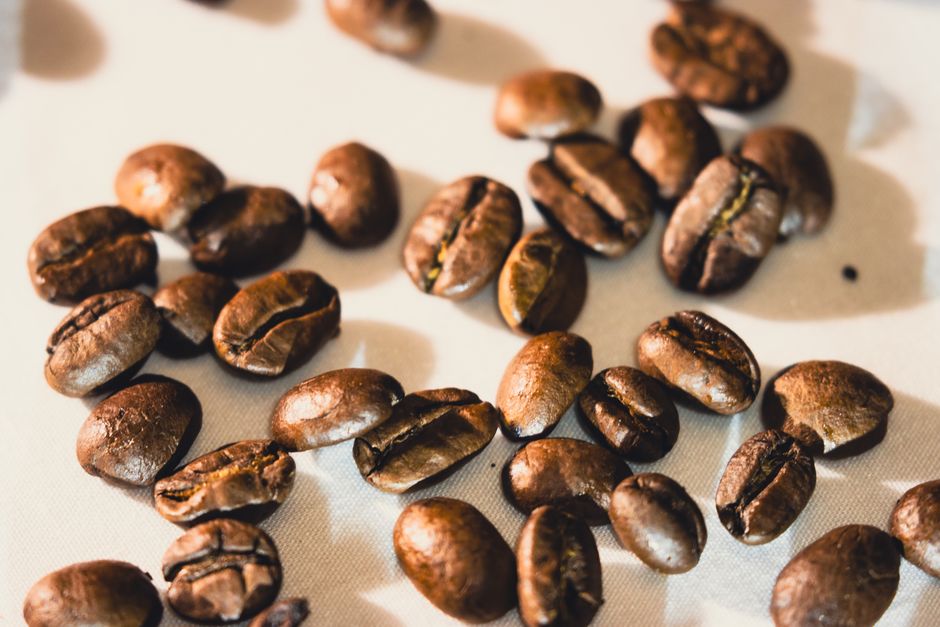
Freezing is the only method here that meaningfully pauses staling rather than slowing it. Portioned into small airtight parcels, or simply sealed well in the original valve bag, beans hold their character for months in a freezer instead of weeks on a shelf, and the National Coffee Association storage advice lines up on the same core principles of cool, dark, and airtight. Two rules keep it honest: portion before freezing so a week's supply thaws once rather than every morning, and let sealed portions reach room temperature before opening so condensation lands on the bag, not the beans.
If you freeze coffee beans in the original bag, the canister's last remaining job, long-term holding, disappears. What is left is daily access, which the working bag or a two-dollar jar already covers. For a stockpiler, the freezer beats every canister in this comparison on chemistry, and the canister shrinks to a scoop-and-go accessory.
The Decade Ranking for Daily Brewers
Two rankings, because survival and value disagree, and the disagreement is the verdict.
| Rank | Mechanism survival, 10-year daily use | Value per dollar |
|---|---|---|
| 1 | Mason jar, seals cost cents | Shipped valve bag, $0 |
| 2 | Airscape Classic, serviceable gasket | Mason jar |
| 3 | Friis valve tin, consumable valve | Airscape Classic |
| 4 | Fellow Atmos, pump assembly wears | Friis valve tin |
| 5 | Shipped bag, dies in months | Fellow Atmos |
Read the disagreements. The bag is last in survival and first in value because its death is free and scheduled; every replacement arrives attached to beans you were buying anyway. The Atmos is the most expensive object here and lands bottom on value only in the pessimistic case where the pump dies outside easy repair, so treat one replacement as the realistic planning number rather than the ceiling. The Airscape is the consensus pick: second in survival, third in value, first among things you would actually leave on the counter for a decade.
If you finish a bag every two weeks, spend nothing. If you buy a canister, buy the one whose wearing part is a $12 gasket instead of a $45 lid.
The verdict by reader type. Weekly fresh buyer: the free bag wins outright. Bulk buyer or two-bean household: Airscape Classic, spare gasket in the pantry. Valve-chemistry believer: Friis, with a few dollars a year budgeted for valves. Vacuum enthusiast who loves the ritual: Atmos, eyes open about the lid.
Maintenance That Stretches Any Canister Past Ten Years
Whatever you own, the parts that die are the soft ones, so the care plan targets them:
- Hand wash only. Dishwasher heat hardens silicone and swells polymers, which is how gaskets die early.
- Degrease gaskets and seals monthly with warm water and mild soap, drying fully before reassembly. Coffee oil is what turns a plunger gasket stiff and a one-way valve clogged, and a routine for cleaning coffee oils off canisters keeps both breathing.
- Swap Friis valves on the cadence printed on the valve pack rather than waiting for staleness you can taste.
- Keep Atmos threads and seals oil-free, and stop at the indicated twist. Over-cranking accelerates exactly the o-ring wear that ends the vacuum.
- Buy one spare gasket or lid kit when you buy the canister. Parts catalogs get pruned, and a $12 spare bought in year one is cheap insurance for year eight.
- Park it away from the stove and window. Heat and light are two of the four staling vectors, and the canister only truly blocks one.
Do that and the decade math above turns conservative. Any of the steel options can outlast ten years of daily brewing. The bag never needs to, because the next one is always free, and that is the quiet punchline of coffee storage. The chemistry was never the hard part.
Stay in the loop.
Get the latest posts and exclusive content delivered to your inbox.
Join 7 readers. No spam. Unsubscribe in one click, anytime.
About the author
Reggie Calloway
Heritage and Craft Editor
Reggie writes about the makers behind lifetime gear, from third-generation tanneries to family-owned foundries. A former magazine editor, he profiles the brands, materials, and craftsmanship that justify keeping a tool or a jacket for the next generation.
Related Posts
Buy It for Life Grain Mills Ranked by the Parts That Die
We rank buy it for life grain mills by the parts that die first, from crank bearings to sealed motors, with burr costs and 20-year survival scores.
Oil Sprayers Ranked by Why They Stop Misting
Oil sprayers die in the head, not the bottle. Our failure-mode ranking explains why misters stop spraying and which oil sprayer designs last for years.
Best Carbon Steel Pan for Life, Ranked by Real Failure Modes
The best carbon steel pan is the one that never warps or sheds its handle. Gauge math and rivet checks show why 3mm restaurant pans outlast boutique ones.