Buy It For Life Cast Iron Skillet Acid Tolerance Ranked
A buy it for life cast iron skillet needs seasoning that survives acid. Five skillets ranked by acid tolerance and reseasoning labor, not brand hype.
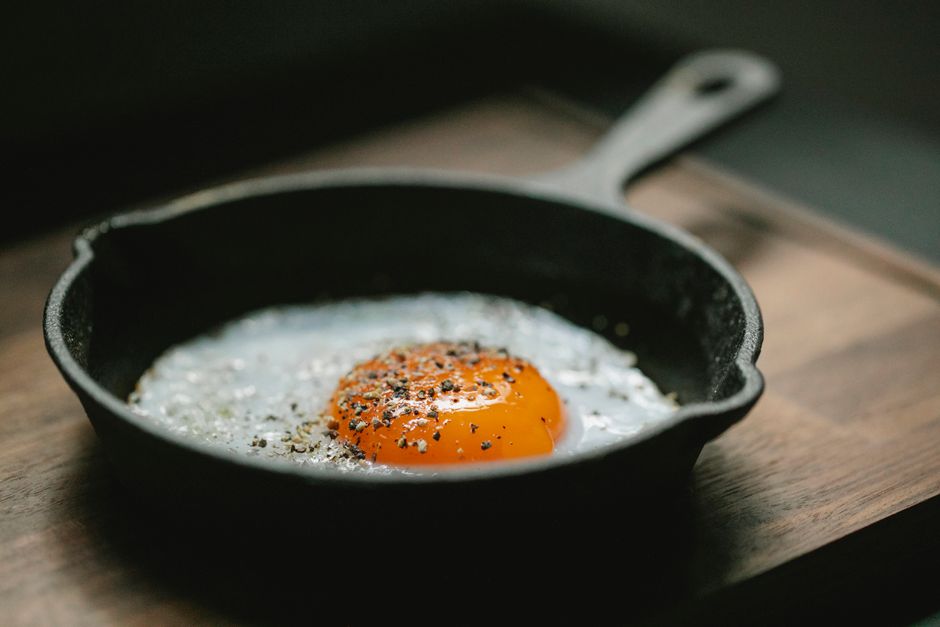
A cast iron skillet is sold as the last pan you will ever buy. The metal lives up to that promise. The seasoning layer does not. Over a decade of real cooking, the skillet that costs you least is the one whose cooking surface survives acidic dishes and bounces back fast when it does not, and that comes down to surface finish and enamel strategy far more than brand reputation or whatever pre-seasoning the factory sprayed on at the end of the line.
Stay in the loop.
Get the latest posts and exclusive content delivered to your inbox.
Join 25 readers. No spam. Unsubscribe in one click, anytime.
If shakshuka, tomato sauce, or wine reductions show up in your kitchen regularly, seasoning is your actual wear item. This guide ranks five buy it for life cast iron skillet contenders by acid tolerance and reseasoning labor, the two variables most buyers never check.
Why Seasoning Is Cast Iron's Real Wear Item
The iron itself will outlive you. Archaeologists pull serviceable cast iron cookware from nineteenth-century sites. Melt pig iron, pour it into a mold, and you have a pan that will not dent, warp, or corrode under normal kitchen use for centuries. Every brand leans on that story because it is true.
What the story leaves out is that raw iron rusts the moment it meets water and air. To make the pan usable, you coat it in a thin polymerized oil layer called seasoning. That layer is fragile in ways the metal is not. Acids attack it. Abrasives scratch it. High heat degrades it. The "indestructible pan" you bought is really two objects fused together: an immortal metal substrate and a coating you must maintain. When people give up on cast iron, they give up on the coating, not the iron.
The meaningful durability question shifts from which skillet lasts longest to which skillet's seasoning lasts longest, and which coating rebuilds fastest when it fails.
How Acid Breaks Down Polymerized Seasoning
The same tomato sauce damages a rough Lodge more than a smooth Smithey, even though both pans sit in identical acid. The reason is mechanical, not chemical. Seasoning is polymerized fat: heat oil past its smoke point near iron and the molecules re-link into a hard film bonded to the metal, whose polymerized oil chemistry is well established in cooking science. Acidic foods attack that film through acid hydrolysis, cleaving the ester bonds holding the polymerized oil together. That reaction runs at the same rate on every cast iron surface. What differs is where the acid pools and how long it stays.
On rough as-cast iron, acidic liquid settles into the microscopic valleys of the finish. Those low spots extend dwell time, holding acid against the seasoning long after a smooth pan would have shed it. The textured surface also exposes far more polymer area to the acid at once. A smooth-machined pan presents a nearly flat plane to the tomato sauce, so contact is brief and uniform. A rough pan traps acid in hundreds of tiny reservoirs, each one quietly dissolving polymer bonds while you finish the rest of dinner.
The damage is not instantaneous in either case. A single 20-minute tomato simmer in a well-seasoned pan leaves little visible trace. The danger is cumulative, and it accumulates faster on rough iron because of that trapped dwell time. Repeated exposure to acidic foods like tomato sauce, wine reductions, and citrus degrades cast iron seasoning over time through acid hydrolysis of polymerized oils, though a single short exposure rarely strips a well-established layer.
The pH ladder governs how fast the chemistry runs. Canned tomatoes sit around pH 4, wine runs roughly 3 to 4, vinegar around 2.5, and lemon juice near 2. The FDA approximate pH of foods reference lists these values and dozens more. The lower the pH, the faster the polymer bonds break, and the worse the valley-pooling effect becomes. A 30-minute shakshuka simmer in canned tomatoes is survivable on a smooth pan and merely annoying on a rough one. The same simmer in a vinegar-forward pan sauce strips seasoning from either surface, but the rough pan loses more of it.
Surface Finish Determines Your Reseasoning Labor
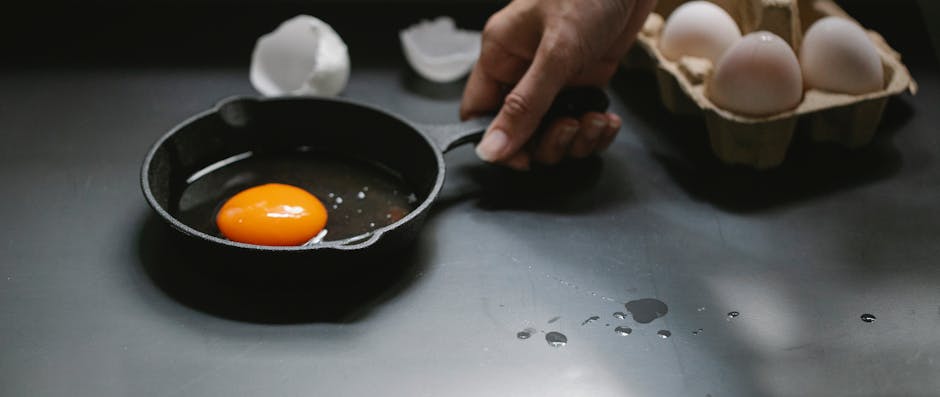
The physical texture of the cooking surface governs how much seasoning the pan can hold and how fast that layer recovers after acid damage.
Rough as-cast iron has peaks and valleys. Each valley is a reservoir for seasoning oil, which sounds useful until you realize that reseasoning means coating every peak and filling every valley uniformly. More surface area means more polymer to build, more polymer to repair, and more places for acid to infiltrate.
Smooth-machined iron has far less surface area to cover. Seasoning films develop thinner and more even, and they recover faster after acid damage because there is less real estate to re-coat. The smooth versus rough comparison is a maintenance multiplier over the life of the pan, not a cosmetic detail.
This is why vintage pans command the prices they do. Griswold and Wagner machined their pans flat at the factory, a step most modern manufacturers skip for cost reasons. Vintage Griswold cast iron remains the benchmark for smooth cast iron surfaces because of that extra machining pass. Collectors are paying for a surface that seasons easily and recovers fast, not for nostalgia.
The most consequential shift in modern cast iron was Lodge's decision to stop machining its pans smooth and ship them with the rough as-cast texture instead. The cast iron finishing history is thoroughly recorded. The change lowered manufacturing cost, but it shifted lifetime maintenance burden onto the owner. A rough Lodge pan can perform beautifully once you build enough seasoning into the valleys, but reaching that state takes longer, and reseasoning after acid damage takes longer too.
Buy It For Life Cast Iron Skillets Ranked by Seasoning Survival
The ranking below scores five pans on three variables that govern decade-long ownership cost: acid tolerance, seasoning recovery effort, and total cost including labor. Bare iron ranks above enameled pans despite lower acid tolerance because seasoning failure is recoverable and enamel failure is not. Scores reflect relative performance within this set.
| Rank | Skillet | Surface | Acid Tolerance | Reseasoning Effort | Ownership Cost |
|---|---|---|---|---|---|
| 1 | Smithey No.12 | Smooth machined | High | Low | High upfront, low labor |
| 2 | Victoria 12-inch | Medium rough, good pre-season | Medium | Medium | Low upfront, medium labor |
| 3 | Lodge 10.25-inch | Rough as-cast | Medium-low | High | Lowest upfront, highest labor |
| 4 | Le Creuset Signature | Enameled | Very high | None | Highest upfront, enamel risk |
| 5 | Staub enameled | Enameled, dark interior | Very high | None | High upfront, enamel risk |
Smithey No.12
Across their product line, Smithey's satin finish produces a satin finish that mirrors vintage Griswold more than anything Lodge ships. Under weekly acidic cooking, expect light seasoning dulling after each tomato braise but full recovery with a single thin oil coat on the stovetop, roughly five minutes of work. Estimated reseasoning frequency: one stovetop touch-up per month, one full oven reseason every two to three years. The smooth finish is what drives that low rate, because there is minimal surface area to rebuild after acid exposure.
Victoria 12-inch
The Victoria pre-seasoned skillet arrives with better factory seasoning than most budget pans, but the surface is medium-rough as-cast. Under weekly acidic cooking, expect patchy seasoning wear along the sidewalls after repeated tomato simmers. Recovery requires a stovetop touch-up after roughly every other acid cook. Estimated reseasoning frequency: one to two full oven reseasons per year. Rebuilding the rougher surface takes more time than a machined one.
Lodge 10.25-inch
Lodge ships the roughest as-cast surface in this set. Under weekly acidic cooking, expect cumulative seasoning dulling over months of regular use, with patchy wear and occasional rust spotting on the cooking floor. Estimated reseasoning frequency: two to three full oven reseasons per year, plus stovetop touch-ups after nearly every acid cook. Factory pre-seasoning is a starting point that typically wears through within months of regular cooking regardless of brand, so the long-term maintenance burden falls entirely on the owner.
Le Creuset Signature
Enameled cast iron takes acid tolerance off the table. The glass coating is highly resistant to food acids, so a six-hour tomato simmer leaves no trace and zero reseasoning labor applies. The failure mode is mechanical, not chemical. Enamel chips and cracks from impact or thermal shock, and once it breaches the pan is functionally done because the raw iron underneath cannot be re-seasoned through the remaining coating.
Staub Enameled
Staub's defining feature is its dark matte interior enamel, which solves a problem Le Creuset's pale interior creates. Wine reductions, tomato confit, and turmeric-heavy braises stain light enamel visibly over months of use, while Staub's dark matte hides that discoloration completely. The trade-off is practical, not chemical: judging fond development and browning against a near-black surface takes adjustment, and cooks switching from a light interior often overcook proteins before they recalibrate. Acid tolerance is equally high and reseasoning labor is zero. Staub also pours a noticeably heavier pan than Le Creuset, and the extra mass can help absorb everyday knocks, though any enameled surface will still crack from a hard drop or severe thermal shock.
The Decade Math of Rough Pan vs Smooth Pan Labor
The case for spending more on a buy it for life cast iron skillet comes down to labor math. As established above, surface finish governs recovery speed. Assume you cook acidic dishes twice a month, with visible seasoning damage roughly once a month. A rough Lodge pan then needs a full reseason once or twice a year under that load, plus stovetop touch-ups after every acid cook. A smooth-machined Smithey or vintage Griswold recovers with one thin oil coat, not a full strip-and-reseason.
A cast iron reseasoning guide walks through the full process, which typically runs 60 to 90 minutes of active work plus an hour of oven time. Call it two hours of labor per full reseason. At rough-Lodge rates of twice a year, that is four hours of avoidable labor annually. Over ten years that is 40 hours, or a full work week, spent reseasoning a pan because its surface finish demanded it.
The one-time price difference between a Lodge 10.25-inch and a Smithey No.12 can run several hundred dollars. Whether that buys back 40 hours of labor over a decade depends on how you value your time. The point is that "cheap" and "expensive" flip once you stop measuring purchase price and start measuring lifetime cost. Over a decade of regular acidic cooking, the cumulative labor of reseasoning a rough-cast pan can plausibly exceed the one-time price difference between a budget rough pan and a smooth-machined or enameled alternative.
Enameled vs Bare Cast Iron Failure Modes

Your cooking habits decide which failure mode you will face, and that should drive the enameled-versus-bare choice more than price or brand loyalty.
Enameled fits cooks who prioritize acid resistance and zero maintenance. If you simmer tomato sauce weekly, braise in wine reduction, and never want to think about seasoning, enamel is the right tool. The cost is fragility and warranty gaps. The Le Creuset warranty terms and equivalent Staub coverage generally exclude the two scenarios that actually destroy enameled pans: impact damage and thermal shock. A dropped lid or an empty pan preheated on high can crack the coating beyond repair, and no warranty will replace it. Owner feedback in the Staub enameled review frequently cites chip resistance as a key factor between premium brands, suggesting that mechanical durability, not chemical resistance, is what separates a pan that lasts from one that does not.
Bare iron fits cooks who are hard on equipment or willing to maintain it. Metal utensils, high-heat searing, and open flames all punish enamel but leave bare iron unfazed. When the seasoning fails, you strip and rebuild it in an afternoon. Quality testing of enameled coatings covers the chip resistance and adhesion protocols manufacturers run before shipping, but no factory test can prevent the impact damage that eventually renders an enamel coating unrepairable at home.
The recoverability gap is the real verdict. A stripped seasoning layer costs a couple of hours and a teaspoon of oil. A chipped enamel interior costs you the pan. Bare iron fails recoverably, while enameled iron fails permanently.
Cooking Acidic Food in Bare Iron Without a Full Reseason
Protocol intensity scales with surface roughness, not just chemistry. A smooth Smithey shrugs off a 25-minute tomato simmer with a quick wipe and oil coat. A rough Lodge needs every step below plus a stovetop touch-up, because acid trapped in surface valleys keeps working after the pan leaves the heat. The 30-minute threshold compounds with valley dwell time on rough iron specifically, which is why a pan that looked fine at minute 25 can show dull patches by morning.
Which pans need the full protocol versus a lighter touch:
- Smithey No.12, vintage Griswold: Tomato under 30 minutes needs only an immediate clean and oil wipe.
- Victoria 12-inch: Full protocol for vinegar dishes, lighter touch for tomato.
Lodge 10.25-inch: Run every step, plan on a stovetop reseason after.
Build the layer first. Do not cook acidic food in a new pan. Wait until the seasoning has darkened through several rounds of fat-based cooking.
- Keep it under 30 minutes. America's Test Kitchen guidance on acidic ingredients confirms the 30-minute threshold for tomato-based dishes. Move vinegar or wine braises to stainless steel.
- Lead with fat, and mind the surface. On smooth iron, oil spreads evenly and buffers acid uniformly. On rough iron, oil pools in the valleys alongside the acid, so buffering is patchy. Use more fat than seems necessary on a rough pan.
- Clean immediately. Wash with warm water and a soft brush, dry thoroughly, and apply a thin oil coat while the pan is still warm.
If the seasoning looks patchy after an acid cook, do a thin stovetop reseason with grapeseed or canola. Reserve a full strip-and-reseason for surfaces that have visibly failed across most of the cooking area.
The best cast iron skillet for long-term ownership is the one whose seasoning you never think about. A smooth-machined Smithey or vintage Griswold keeps reseasoning to a few touch-ups a year. Lodge or Victoria gets you cooking today but costs hours of oven reseasoning over a decade. Le Creuset or Staub eliminates seasoning entirely, at the cost of chip fragility you can never undo.
Stay in the loop.
Get the latest posts and exclusive content delivered to your inbox.
Join 25 readers. No spam. Unsubscribe in one click, anytime.
About the author
Cal Whitmore
Durability Testing Lead
Cal has spent a decade in product testing, from tool labs to outdoor gear reviews, and treats every claim of a lifetime warranty as a hypothesis to break. He writes about the materials, joinery, and failure modes that actually decide whether gear lasts twenty years or two.
Related Posts
Best Carbon Steel Pan for Life, Ranked by Real Failure Modes
The best carbon steel pan is the one that never warps or sheds its handle. Gauge math and rivet checks show why 3mm restaurant pans outlast boutique ones.

Buy It For Life Grill Presses Ranked by Handle Joints
A buy it for life grill press lasts decades because the handle joint, not the plate, fails first. See the four handle joints ranked by 20 year survival.
Buy It for Life Immersion Blenders Ranked by What Breaks
Buy it for life immersion blenders ranked by the parts that actually die: coupling, shaft bearings, seal, and switch, with the 1980s Braun as benchmark.