Cast Iron Braisers Ranked by What Fails First
We rank cast iron braisers by what fails first, from enamel rim chips to crazing, and run the cost-per-decade math on Lodge, Made In, Staub, and Le Creuset.
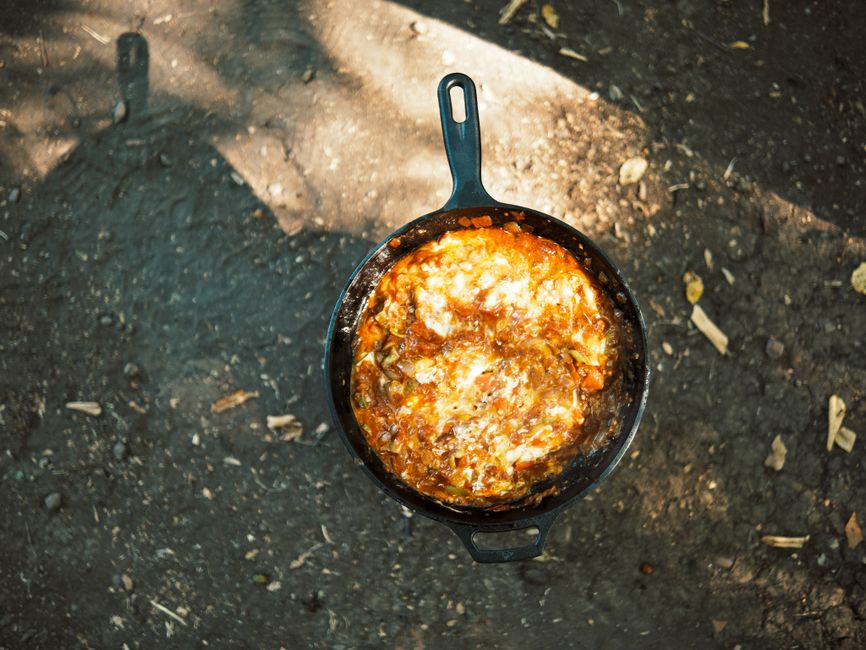
Made In just launched a seasoned cast iron braiser, and the launch coverage grades exactly what you would expect: week-one searing, crowd-feeding capacity, preseasoning. The announcement lists a 4-quart wide format, a proprietary flaxseed oil blend, and heat tolerance up to 1000°F. All of it true, and all of it beside the point. A braiser is a once-per-lifetime purchase for most cooks, so the number that matters is not how the first braise goes but what breaks in year eight, and what that break costs.
Stay in the loop.
Get the latest posts and exclusive content delivered to your inbox.
Join 52 readers. No spam. Unsubscribe in one click, anytime.
On that clock the market inverts. Enamel, the premium feature, is also the consumable. The parts of an enameled cast iron braiser that die first are the rim where a heavy lid clanks down every use, the interior glaze that thermal shock slowly crazes, and the lid knob whose heat ceiling sits hundreds of degrees below the iron underneath. Bare seasoned iron, the budget pick in skillets, becomes the maintenance play in braisers, because its one realistic kill mode, neglect rust, is repairable in a home oven. And the lifetime warranties on premium brands generally cover the part that never fails, factory defects, while excluding the damage that actually ends these pots. We verify that against the brands' own warranty pages below.
So this ranking skips the browning derby. We grade the four contenders, roughly $70 Lodge, the new Made In bare iron unit, Staub, and roughly $400 Le Creuset, on failure order and cost per decade.
Why a braiser dies differently than a skillet
Our skillet ranking sorted pans by acid tolerance, and that was the right lens there. Skillets live on chemical stress: high dry heat, spatula scraping, tomato and vinegar hits. Skillet death is a stripped or pitted cooking surface. A braiser runs low, slow, and wet for hours, which is gentle to the cooking surface and murderous to everything around it.
Three geometric facts drive the failure profile:
- Wide and shallow means lots of rim. The cast iron braiser vs Dutch oven difference is mostly shape, and the shape that wins searing area also maximizes rim length per quart. The rim is where enamel chips live, so the defining feature of a braiser multiplies its most fragile one.
- The lid is a hammer you swing every use. Cast iron lids weigh pounds and seat on that rim dozens of times a year. Every slightly-off landing is a chip event in slow motion.
- Wet duty invites thermal shock. A braise cycles from stovetop to oven to counter to sink, and cold water meeting hot enamel is the classic crazing trigger. A braiser's routine opens more shock windows per meal than almost any other pot.
The stress here is mechanical and thermal, which makes seasoning chemistry the wrong lens.
The five failure modes that end a braiser
Grade any braiser, whatever the logo, by which of these five it will hit first.
| Failure mode | Typical trigger | What it costs you | Fixable at home? |
|---|---|---|---|
| Rim chip where the lid seats | Lid clanks, stacked storage, knocks | Usually cosmetic | No, edges can be smoothed |
| Interior crazing | Empty preheating, cold water in a hot pot | Progressive, ends acidic duty once glaze flakes | No |
| Chip in the cooking zone | Metal utensils, drops, hard scrubbing | Functional death for acidic braises | No |
| Lid knob failure | Oven heat above the knob rating | Cheap part, but bricks high-heat use | Yes, one screwdriver |
| Rust and pitting, bare iron | Neglect, damp storage, air drying | Looks fatal, is not | Yes, strip and reseason |
Two rows deserve extra respect. The knob is the most heat-sensitive part of the pot by a wide margin. Phenolic and wooden knobs are commonly rated somewhere in the 350 to 400°F range while the iron below them is fine at more than double that, and Le Creuset's own care and use guidance draws its oven-temperature line at the knob, not the body. If you finish braises in a hot oven, a stainless knob is the cheapest reliability upgrade in cookware. Rust is the opposite case, the only failure on the list that looks terminal and is not. Every other row is a one-way door. Rust is a round trip.
The cast iron braiser field, from $70 Lodge to $400 Le Creuset
Treat every price as a street snapshot. Enamel pricing moves with sales, and the Made In unit is new enough that its price has not settled, so check live numbers before judging the math below.
| Contender | Price tier | Surface | Lid hardware | Warranty shape |
|---|---|---|---|---|
| Lodge enameled cast iron braiser | Roughly $70 | Porcelain enamel | Standard knob, moderate oven ceiling | Limited, defects |
| Made In seasoned cast iron braiser | New launch | Bare seasoned iron | Not detailed at launch | Lifetime, per launch materials |
| Staub braiser | Roughly $400 | Enamel | Metal knob typical | Lifetime limited, defects |
| Le Creuset braiser | Roughly $400 | Enamel | Phenolic or stainless by line | Lifetime limited, defects |
Design notes that matter on the clock: Staub's spiked self-basting lid and heavier mass hold moisture well, and a metal knob as standard quietly deletes one of the five failure modes. Le Creuset's lighter sand interior makes fond easy to read, and its phenolic knobs are swappable to stainless. The honest unknown is whether boutique enamel actually chips less than budget enamel. Marketing says yes, forum horror threads say no, and almost nobody tests the decade. Independent reviews that punish the category, like America's Test Kitchen's enameled cast iron skillet testing, are the closest thing this market has to crash testing. Until someone clanks lids on rims for ten years, treat chip resistance as a handling problem first and a brand problem second.
Where enamel fails first and what a chip costs you

The chip-location severity ladder
The location of a chip decides whether your braiser is scarred or finished.
Rim and exterior chips are usually cosmetic. Away from the cooking zone, a chip is a scar. Smooth the sharp edge so it does not spread or scratch the shelf, and keep braising. The one rim-specific risk is a chip deep enough to degrade the lid seal, which is rare and visible.
Cooking-zone chips are functional death. A chip on the floor or lower walls exposes raw iron, and the wound now sits directly in wine, tomato, and vinegar for hours. Expect rust blooms after wet cooking and metallic off-flavors in acidic dishes. The pot can still boil water; it has lost its actual job.
Is it safe to cook with chipped enamel? Detailed chipped enamel safety writeups split the answer by location, and the split holds up: a small chip outside the cooking zone is generally a non-event, loose glaze fragments are a physical hazard worth fishing out, and a cooking-zone wound turns your enamel pot into a reactive iron pot for acidic work.
Does Le Creuset enamel chip easily? The better question is whether any enamel does. Premium glazes are well applied, but enamel is glass bonded to iron, and glass loses arguments with granite countertops and clanked lids. Chip risk tracks your hands far more than the logo.
What the lifetime warranties actually cover
This is where the fine print earns its keep. Le Creuset's warranty page and Staub's warranty information both define coverage around defects in materials and workmanship, and both carve out damage from misuse: knocks, drops, overheating, thermal shock, improper care. Now read that against the failure table above. The top three kill modes for an enameled braiser are all exclusion clauses.
A lifetime limited warranty is a promise that the factory did its job, not insurance that the pot survives your kitchen. That is still a fair promise, since factory defects exist and tend to reveal themselves early, when a return is still simple. Just do not buy a $400 braiser believing lifetime means indestructible. The word covers defects, and defects are not what kills these pots.
What bare iron demands in a wet cooking tool
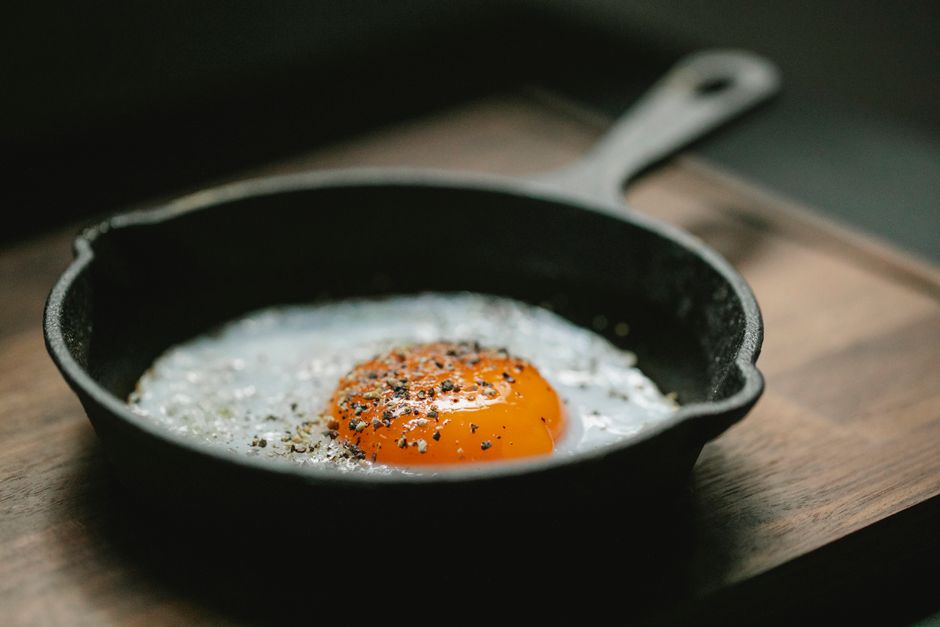
The Made In launch is the interesting one because it deletes enamel from the failure equation entirely. Per the launch materials, the braiser is sand-cast at a single American foundry, pre-seasoned with a flaxseed oil blend, rated to 1000°F across gas, induction, oven, and open flame, and backed by a lifetime warranty. Two footnotes the sponsored coverage skips. First, the 1000°F figure is about the metal; polymerized seasoning begins degrading several hundred degrees lower, so the renewable layer, not the iron, sets your real working ceiling. Second, a lifetime warranty on bare iron is nearly free for a manufacturer to offer, because bare iron's only kill mode is neglect, and no warranty covers neglect. The deal on the box is honest: you maintain it, it lasts.
The trade you accept is the liquid. Braising runs wet acid, wine, tomato, vinegar, for hours, and long acidic cooking strips seasoning faster than a year of dry searing. Lodge's seasoning and reseasoning guide is blunt that acidic food wears seasoning down. So a bare iron braiser lives on a cycle: braise, cool, dry immediately, wipe a thin film of oil, and reseason on a schedule that matches how often you cook acidic. Slip on the routine and rust appears, but the repair path is the one enamel does not have. Reseasoning a rusty cast iron braiser is an oven cycle and about a dollar of oil, not a funeral.
That is the bare cast iron vs enameled cast iron trade in one line. Enamel buys a zero-ritual acidic interior at the price of an unrepairable surface. Bare iron buys a surface that cannot be killed at the price of a ritual.
Cost per decade across the field
Ask how long enameled cast iron lasts and you get either marketing poetry or forum doom. The honest answer is a range keyed to handling, so run the scenarios with the assumptions visible.
| Scenario | Upfront | Assumed life | Cost per decade |
|---|---|---|---|
| Lodge, careful owner | Roughly $70 | About 10 years to a terminal chip | Roughly $70 |
| Le Creuset, intact for decades | Roughly $400 | 40 years | Roughly $100 |
| Le Creuset, terminal chip in year 6 | Roughly $400 | 6 years | Roughly $667 |
| Made In bare iron, maintained | One-time buy | Indefinite | A bottle of oil and an hour of labor a year |
The comfortable result is row one against row two: careful owners get similar per-decade economics from either end of the price ladder, which is why both camps feel smug. The asymmetry the table hides is the shape of the risk. A Lodge spreads its risk across a decade and a replaceable object; at $70 you could buy more than five of them before matching one Le Creuset. A Le Creuset concentrates forty years of value into a single unrepairable event, one dropped lid, and the warranty excludes precisely that event. Bare iron converts failure risk into scheduled labor, the only failure mode in this article you can plan around. That is the real cast iron braiser cost per decade story: prices converge, failure shapes do not.
Care habits that delay every kill mode
None of this is folklore. Manufacturer care pages converge on the same short list because the physics is not in dispute, and each item maps to a specific kill mode:
- Against crazing: never preheat an empty enameled pot, keep enameled heat at medium or below, and never run cold water into hot enamel or park a hot pot on a cold wet counter.
- Against rim chips: pad lids in storage, never stack enameled pieces bare, and seat the lid with two hands instead of dropping it the last inch. The two-hand habit is the highest-yield move in this entire article.
- Against knob failure: swap phenolic or wooden knobs for stainless before any high-heat oven work; keep the pretty knob for the table.
- On delivery day: inspect rims and interior under bright light. A genuine factory flaw found now is the one thing a lifetime warranty covers cleanly.
- For bare iron: dry over a warm burner, wipe a film of oil, store dry, and reseason on schedule rather than on crisis.
The verdict, ranked by what fails first
1. Made In's bare iron braiser, for maintainers. The only pot in the field whose kill mode is voluntary and repairable. If a dry-immediately, oil-thin routine does not scare you, this is the buy it for life cookware answer at a fraction of the premium price, and the Made In seasoned cast iron braiser review coverage that graded searing missed the actual story.
2. Staub or Le Creuset, for gentle, set-and-forget cooks. Take Staub for the heavier self-basting lid and metal knob as standard, which quietly deletes failure mode four. Take Le Creuset for the lighter interior that shows fond, and budget for the stainless knob swap. Either can run for decades. Either also carries one unrepairable failure mode that its lifetime warranty excludes, so buy with open eyes and lift with two hands. That is the Le Creuset vs Staub braiser durability difference that matters: knob hardware and lid mass, not glaze magic.
3. Lodge enameled, for budget-first buyers. Expect cosmetic rim chips early and a terminal chip eventually. The per-decade math stays reasonable as long as you treat it as a replaceable tool rather than an heirloom, and no short rib you have ever braised cared about the logo.
The launch coverage asked how well the new braiser sears. The durable question is which failure mode you want to live with: a surface you repair on a schedule, or a beautiful one you can never repair at all. Ranked on that, the ladder inverts, the $70 pot and the $400 pot turn out to sell the same consumable at different prices, and bare seasoned iron is the only entry selling something you can actually keep for life.
Stay in the loop.
Get the latest posts and exclusive content delivered to your inbox.
Join 52 readers. No spam. Unsubscribe in one click, anytime.
About the author
Priya Raman
Repair and Restoration Writer
Priya maintains and restores everything she owns, from cast iron to mechanical watches, and has spent years in the right-to-repair community. She writes about maintenance, warranties, and repairs, the half of buy-it-for-life that keeps good gear out of landfills.
Related Posts
Buy It For Life Cast Iron Skillet Acid Tolerance Ranked
A buy it for life cast iron skillet needs seasoning that survives acid. Five skillets ranked by acid tolerance and reseasoning labor, not brand hype.

Buy It For Life Grill Presses Ranked by Handle Joints
A buy it for life grill press lasts decades because the handle joint, not the plate, fails first. See the four handle joints ranked by 20 year survival.

The Most Durable Burr Coffee Grinder Is the One You Can Fix
The most durable burr coffee grinder is the one you can fix. Oxo Brew versus Baratza, ranked by the parts that die first, plus the decade repair math.